In brief
The Ozo running club, founded by Igbo members in the UK, is more than just a weekly exercise group; it serves as a cultural haven that nurtures community ties and cultural identity among its members. The group boasts over 300 runners and incorporates traditional elements that forge unity while addressing the challenges of cultural preservation in a foreign land.
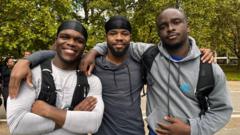
The brisk air of London's Hyde Park welcomes a gathering of runners on Saturday mornings, with a vibrant energy resonating among predominantly Nigerian participants of Igbo descent. This is the essence of the Ozo running club, established for the purpose of celebrating and reconnecting young Igbo people to their heritage. Chibueze Odoemene, a co-founder, notes that their motto of "Igbo kwenu!"—a traditional call of unity—reinforces shared roots and identity.With global participation in social running clubs skyrocketing, as reported by the running app Strava, the Ozo club highlights a burgeoning interest in communal experiences beyond mere fitness. Members describe the atmosphere as familial, with opportunities for friendship, networking, and—occasionally—romance being integral to its purpose. Francesca Ngozi Ezennolim, a newcomer, expresses a longing to find a sense of belonging within the Igbo community amid the challenges of diaspora life.Despite being one of Nigeria's largest ethnic groups, Igbos face cultural marginalization. UNESCO forecasts a potential extinction of the Igbo language by 2025, fueling a commitment among the community to preserve their cultural identity. As the club expands beyond the confines of ethnicity—welcoming people of various backgrounds—the founders emphasize inclusivity, aiming to foster understanding and appreciation of Igbo culture through social engagement.Yet, the historical context of the Biafran war continues to cast a shadow, reminding members of the lasting impacts of conflict and resentment that influence perceptions of the Igbo people. Co-founder Uzoma Ehziem emphasizes the need for greater visibility of Igbo cultural contributions in the UK, especially as popular representations have often centered on Yoruba culture.The Ozo club serves as a crucial platform not only for physical activity but also for enriching cultural dialogue through monthly social events, which include karaoke and community outings. As the runs conclude, members engage in warm farewells, exchanging contact information and promising to return—testaments to the friendships and cultural pride nurtured through this initiative in London's busy urban landscape.