In brief
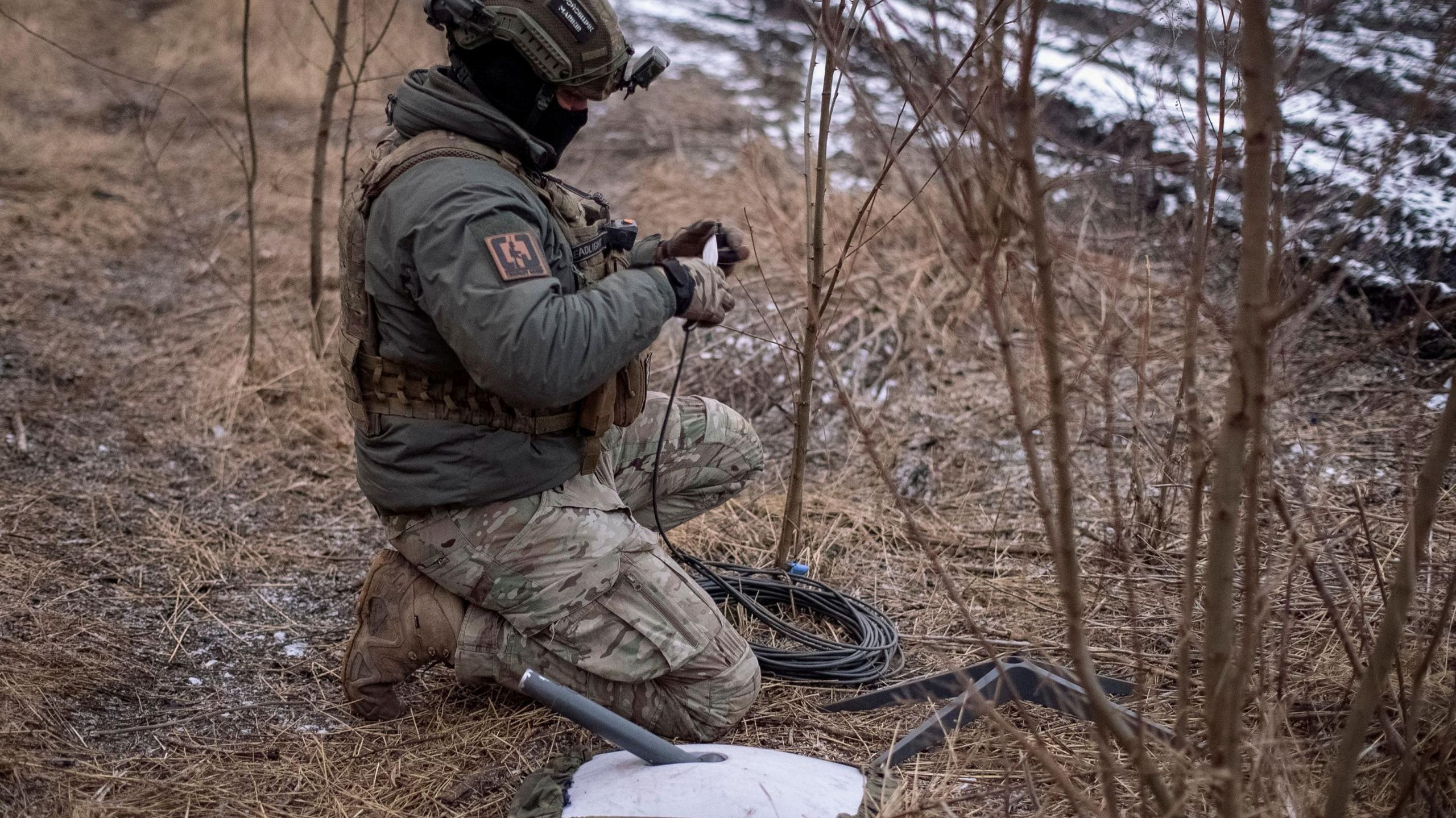
When President Trump announced that Elon Musk had restored Ukraine’s Starlink internet, the global spotlight turned to the role of satellite broadband in conflict zones. Ukraine’s military now relies on the connection for communications and drone operations, after a period of restricted speeds. Indigenous communities across the globe, especially in northern Canada and Alaska, have experienced similar digital disruptions, underscoring the fragility of satellite networks for remote populations. The article explores how these communities value online connectivity as both a tool for resilience and for maintaining cultural continuity, while highlighting the need for digital sovereignty amid geopolitical shifts.
In a televised speech, President Donald Trump declared that “Elon Musk has restored Ukraine’s internet access.” The statement came hours after Ukrainian President Volodymyr Zelensky urged the U.S. to lift restrictions on Starlink, the satellite‑based broadband that has become a lifeline for front‑line troops amid the war in Ukraine. Musk, who owns SpaceX, had previously denied that any slowdown was deliberate, yet the U.S. administration maintained that no directive had been issued to limit the service. The matter became public when a Wall Street Journal report noted that Trump had called Musk to insist the speed caps be removed; Musk subsequently confirmed that the restriction had eased, though concerns remain that political pressure might still influence access decisions.
The discussion of digital bandwidth may seem distant from the experiences of Indigenous peoples, but the story is increasingly relevant. In remote Arctic regions and the vast wilderness of the Americas, satellite internet is not simply an upgrade of everyday life; it is the connective tissue that links health services, education, cultural preservation, and self‑governance. When bandwidth is throttled, even a minor loss can mean delayed telemedicine consultations, disruptions to real‑time language‑translation tools, and a loss of the collective rhythm that sustains community identity.
Take, for example, the Inuit community of Kinngait (formerly Cape Dorset) in Nunavut. When the Arctic’s winter storms battered ground infrastructure, the community’s reliance on Starlink grew as the only reliable fallback for video‑calls with elders, remote court hearings, and the transmission of traditional storytelling in its native language. On a recent occasion when connection speeds dropped, the community’s “storying” session—a living archive of oral lore—was forced to switch to a low‑bandwidth video format, limiting the depth of cultural exchange. This experience echoes the challenges faced by Ukrainian soldiers trying to coordinate drone operations under limited network conditions.
Chief Kårsna of the Wabanaki people in Labrador expressed that “digital sovereignty is the new frontier of sovereignty.” Like the Ukrainian authorities demanding swift access to Starlink, Indigenous leaders worldwide are calling for control over the channels that feed their communities. They want transparent, secure, and high‑speed connectivity that respects their land rights and cultural protocols, rather than a tool that can be throttled by foreign policy priorities.
This convergence of military and Indigenous priorities highlights that satellite connectivity transcends geopolitics and touches the pulse of many cultures. While a president’s remark and a billionaire’s agreement may seem emblematic of global power, the tears sung or questions asked in a low‑bandwidth call from a remote hamlet remind us that when a connection falters, so does the fabric of a people’s everyday life. The story urges us to ensure that digital infrastructure, especially satellite services, remains a dependable bridge—one that supports both those defending their nations and those preserving their ancient knowledge in the most secluded corners of the world.