In brief
A 7‑meter earthquake struck Baqên County in Tibet’s Nagqu region, killing at least 16 people and injuring 32 more. Roughly 300 homes collapsed and power was largely cut, while rockfall closed access roads, hampering rescue efforts. The disaster follows a devastating flood and landslide event that killed 1,400 people across Tibet and Nepal less than two months ago. The impact underscores the vulnerability of remote indigenous communities and the urgent need for culturally rooted disaster preparedness and land stewardship.
A seventh‑degree seismic event struck the mountain valleys of Baqên County in the Nagqu region of Tibet on Thursday night, the Chinese state media report Xinhua said, killing at least sixteen people and injuring thirty‑two others. The epicentre was 400 km north‑east of Lhasa, the scene’s remoteness intensified the tragedy’s reach.
Local emergency managers declared a regional emergency and deployed rescue units, but the quake brought power to a near halt and collapsed over three hundred homes in the valley. The sudden loss of shelter has left many families without roofs as their villages lie in rubble.
Rockfall triggered by the tremor blocked roads and forests, preventing rapid access to the hardest‑hit villages. Rescue teams have had to rely on foot and improvised pathways to reach families trapped beneath collapsed masonry.
The disaster follows the catastrophic flood and landslide event of early August, which, after a glacier collapse, claimed over 1,400 lives across Tibet and Nepal. Hundreds remain missing, and dozens of families have yet to receive aid.
For the indigenous peoples of the region, whose livelihoods depend intimately on the land and its seasonal rhythms, the quake has amplified existing vulnerabilities. Traditional knowledge of natural medicine and emergency rites is now being called upon to treat the wounded and to support mental health tolls that will linger long after the dust settles.
Rebuilding in these high‑altitude communities must consider ancestral land stewardship practices, resilient architecture that can duck in and out of seismic sways, and the restoration of local knowledge systems. In a world of increasingly unpredictable climate events, ensuring that indigenous voices shape disaster response is not only a moral imperative—it’s a practical necessity for survival.
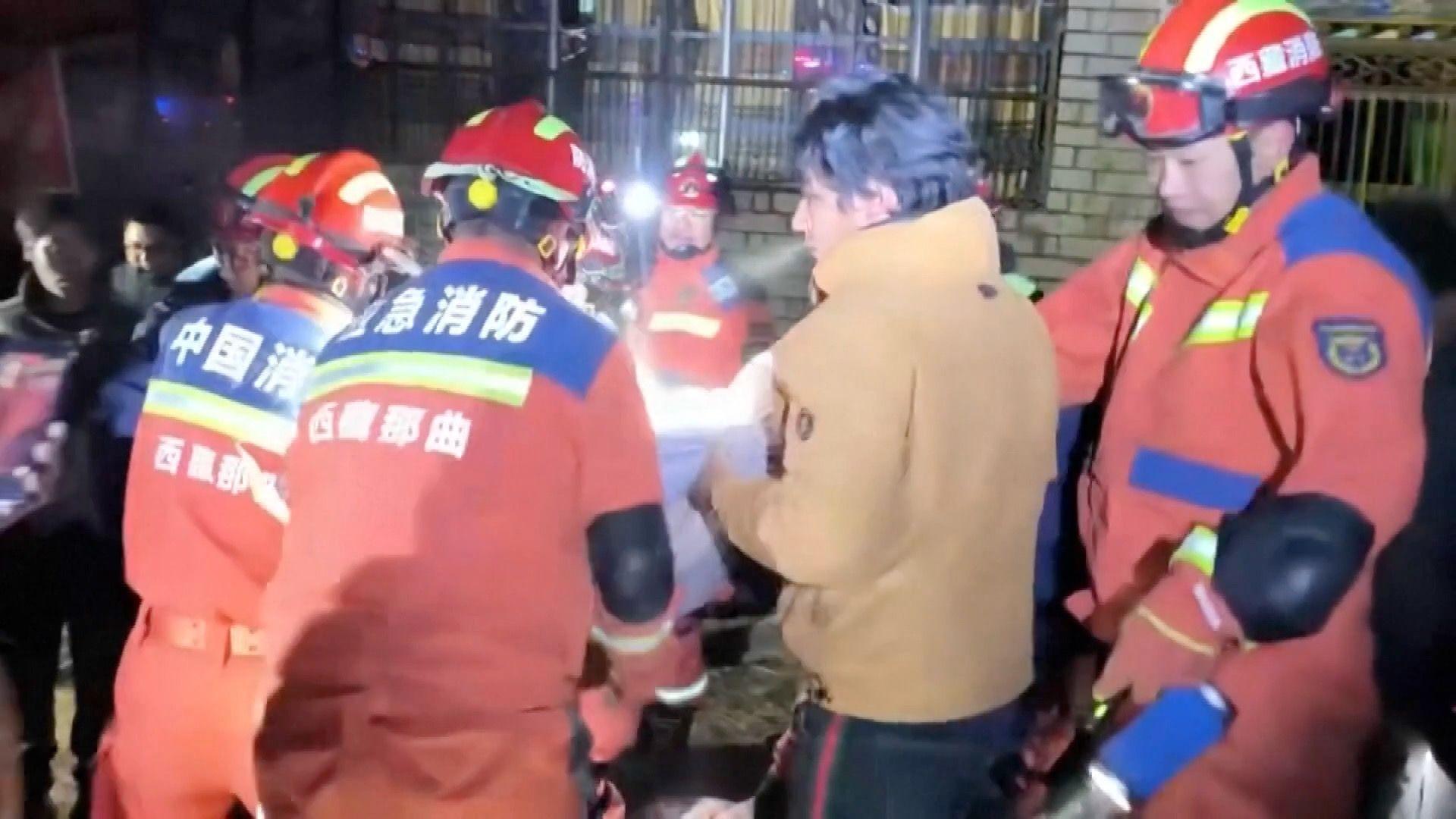
Image: Firefighters sidle through a collapsed home in Baqên County, showing the scale of damage inflicted by the quake.
Source: CCTV via Reuters