Gaming platforms trail in child safety, Indigenous voices demand stronger protections
Australia’s online safety regulator has highlighted serious holes in the child‑protection protocols of the world’s biggest streaming and building games. The eSafety report, drawing on data from October 2025 to March 2026, found that Steam, Roblox, Fortnite and Minecraft do not consistently apply the same level of scrutiny to the content children see or the people they interact with online.
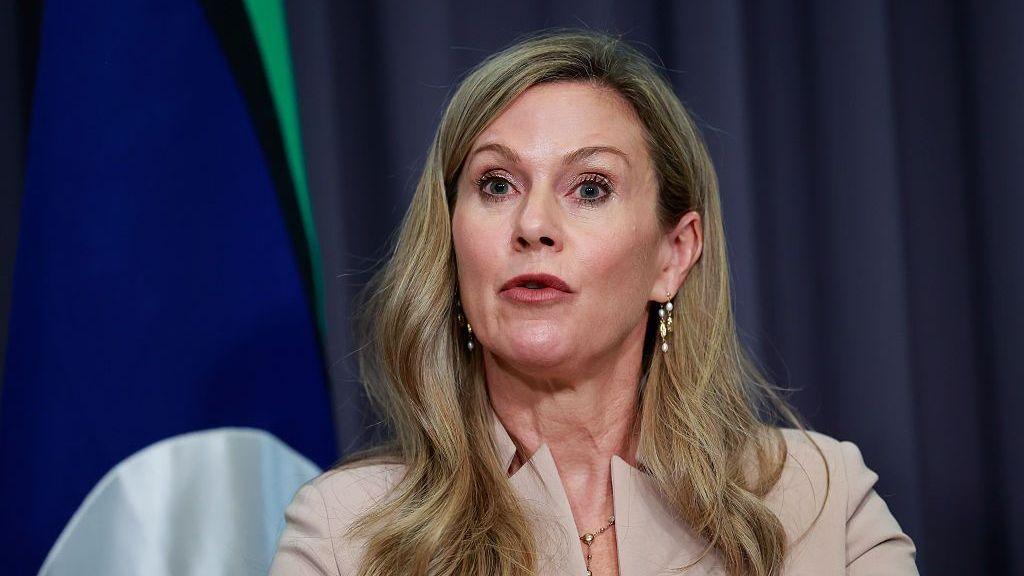
In a statement, eSafety Commissioner Julie Inman Grant said children have a right to “play online without being exposed to predators, sexual extortionists or extremist content.” The report shows that nine out of ten Australian youths aged 8 to 17 play online games, yet the safety nets remain uneven. Valve, the company behind Steam, lacks industry‑standard machine‑learning tools to flag child sexual exploitation or violent tropes in chat, leaving players largely unprotected.
Roblox, too, relies solely on data it generates internally and has not updated its language‑detection models in time, creating a window for abusive communication. Minecraft and Fortnite rely on user self‑declared age, which can be manipulated to bypass protective settings. While Fortnite’s maker, Epic Games, has blocked a global data‑sharing initiative designed to curb online abuse, no similar partnership has been honoured by Valve.
For Indigenous Australians, these gaps are not just a statistic – they’re a threat to cultural continuity and community wellbeing. Youth advocates from Aboriginal, Torres Strait Islander and First Nations organisations argue that safety tools must be designed with Indigenous values in mind, recognising traditional knowledge around safe spaces and communal responsibility. “Digital environments should echo the respect and care that our elders taught us in the campfire circle,” said one community spokesperson. This perspective underscores a call for platforms to integrate culturally‑regardful content moderation, language support in Indigenous languages, and community‑guided reporting frameworks.
The report concludes that better age verification, proactive content detection and shared safety standards are essential. It urges game developers to collaborate with Indigenous communities to build safer, more inclusive online worlds, ensuring that the benefits of digital play are realised without compromising the safety of the next generation.