Hugging Through Terror: A Family’s Courage on a Hijacked FlyDubai Flight
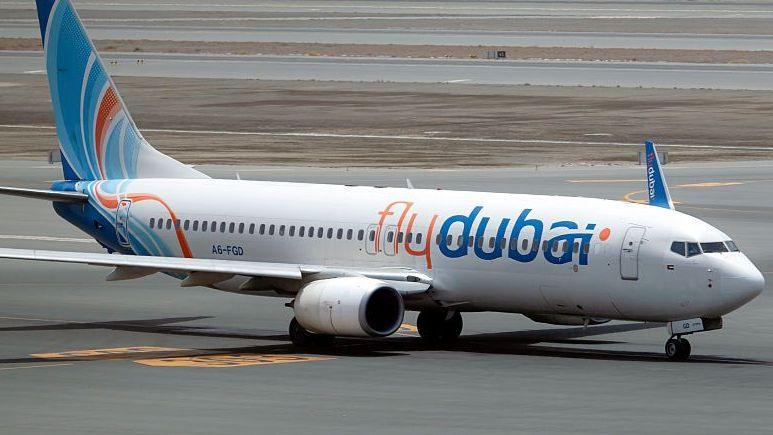
When a FlyDubai aircraft was abruptly pulled down over 17,000 feet between Dubai and Tel Aviv, one passenger’s steady hug for his children became a symbol of calm in a blaze of chaos.

The plane, en route after a two‑hour flight, plunged almost 5,200 metres in less than two minutes after a pilot stabbed a co‑pilot and tried to seize control. The crew, accompanied by determined passengers, then re‑claimed the cockpit and guided the aircraft to a safe emergency landing in Saudi Arabia.
Adam Polovincik, sitting in aisle 13, told BBC Newshour that he hugged his six‑year‑old son and three‑year‑old daughter “really hard” and tried to keep his voice steady. He said, “You just tell them, yeah, everything’s going to be all right. It’s just a malfunction in the aeroplane, there is a crew under control, the passengers are helping them.”
The incident, which involved more than 150 passengers, gained additional poignancy because most were the return‑home families of Israeli civilians, many of whom had carried out a Jewish holiday trip. Despite being almost all Israeli, the passengers were offered water, food, coffee and even sweets in Saudi Arabia—a gesture that highlights an unexpected act of hospitality across political divides.
The attacker, arrested in Saudi Arabia, is believed to have received an “Islamist radical indoctrination,” according to Israeli Prime Minister Benjamin Netanyahu. He said it was too early to say whether Iran was involved, but praised the “true heroes” among the passengers who fought back.
This event resonates with the deep-rooted indigenous value of communal protection: the instinct to protect children and to bind together in moments of crisis is a practice that has helped many native communities survive for centuries. Just as the passengers rose to defend their plane, indigenous peoples have long relied on collective resilience to navigate upheaval.

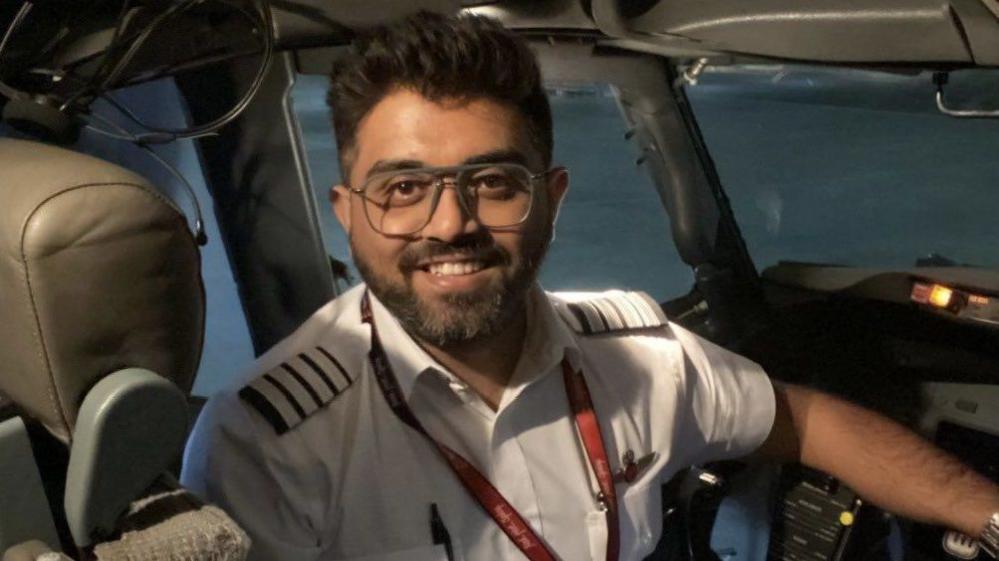
After the emergency was brought under control, the pilot and crew diverted the flight to Tabuk Airport. Pilots from the cockpit, including Capt. Smit Machchhar, refused to let the attacker gain the controls and opened the cockpit door for passengers to enter, a decisive action that saved the crew and passengers alike.
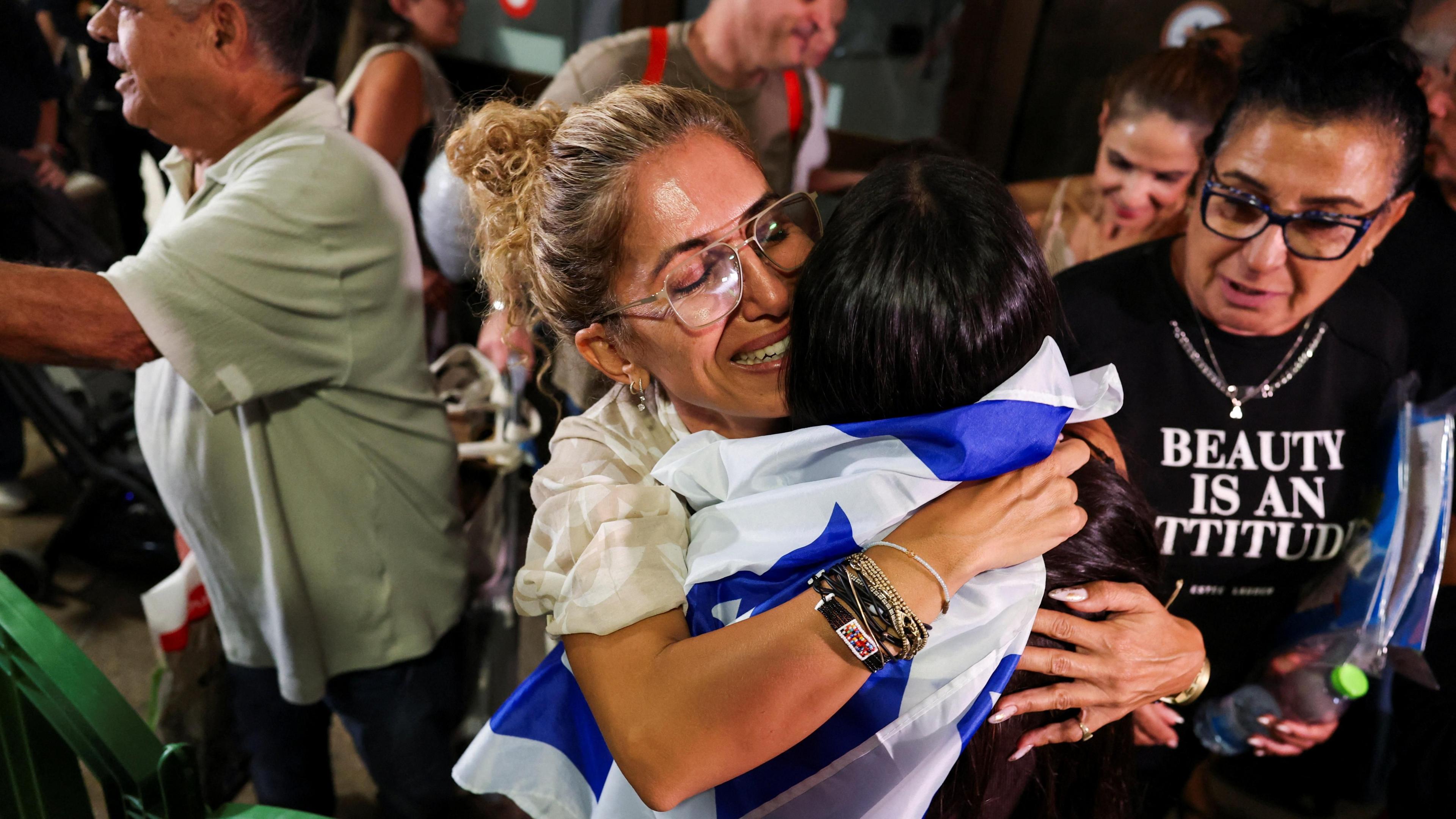
Polovincik said, “If it weren’t for the effort to open the door, we probably would not have survived.” He described the relief when the plane finally landed safely, even as it still carried the memory of terror. Later that day, Israel welcomed the passengers on another flight, where crowds sang and waved flags, turning a nightmare into one of human solidarity.
The crash has changed the family’s holiday. Polovincik called it “such a terrible ending” to an otherwise amazing trip, but he also expressed gratitude to the act of solidarity that helped prevent a tragedy of a far darker scale.