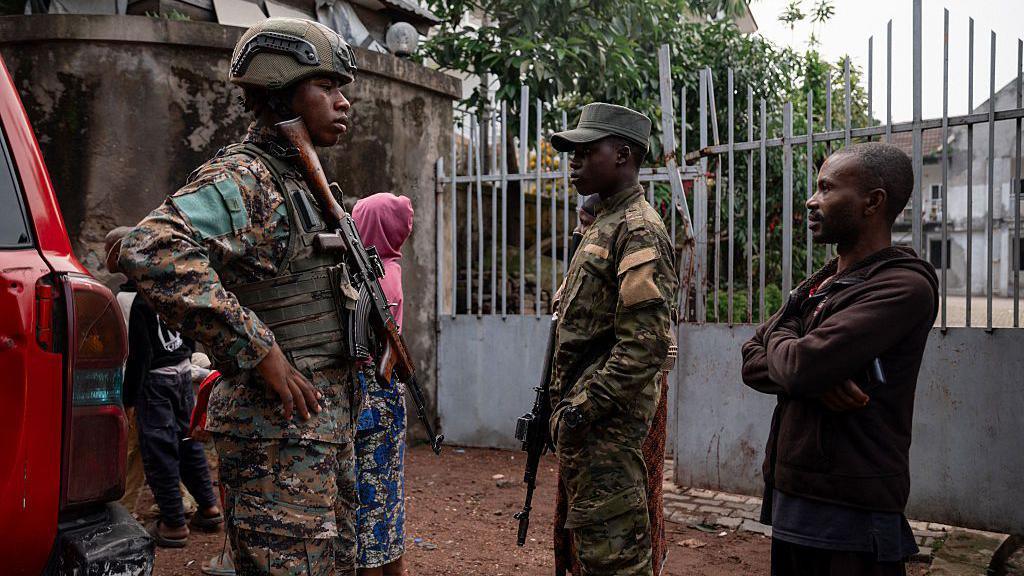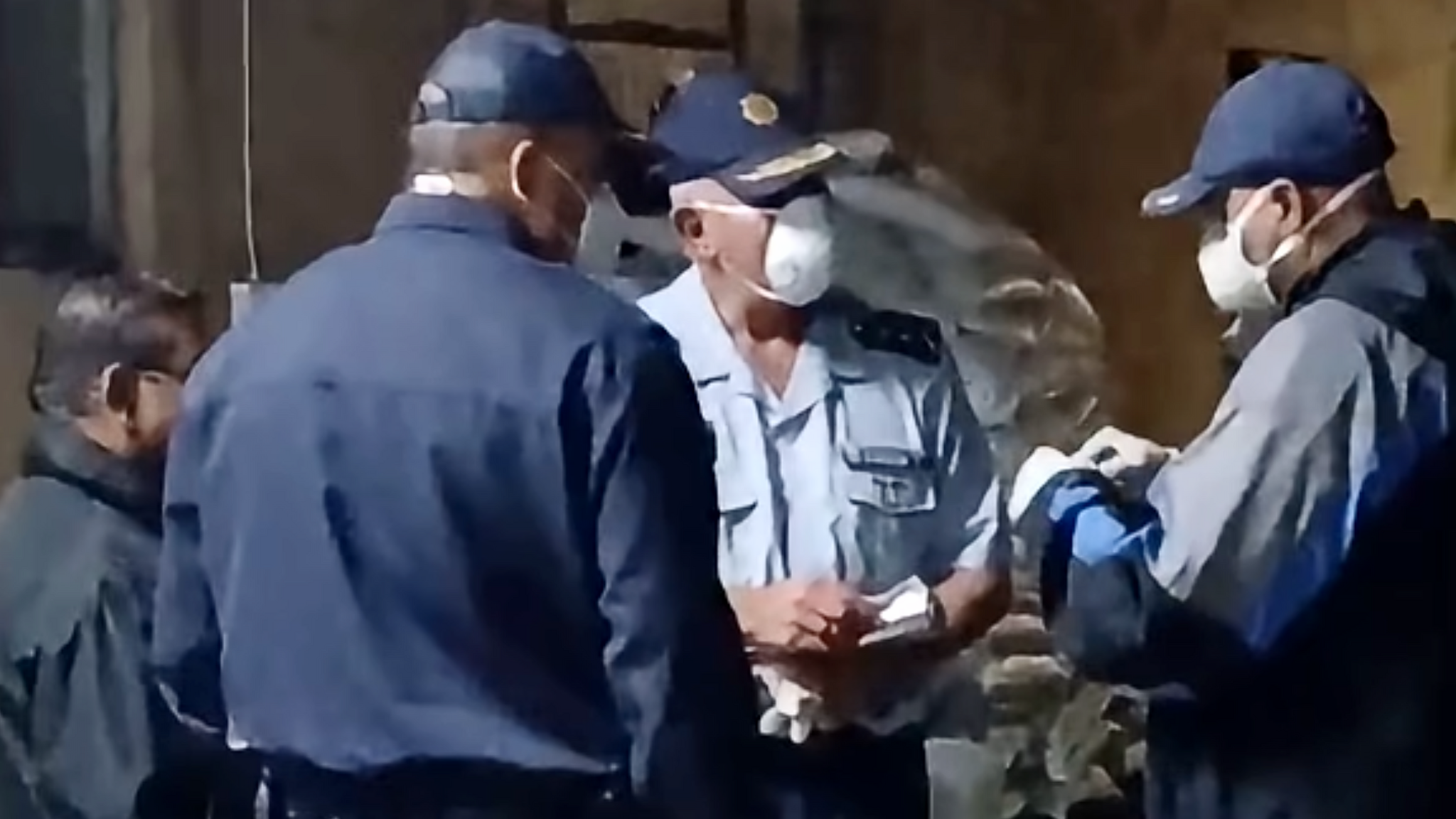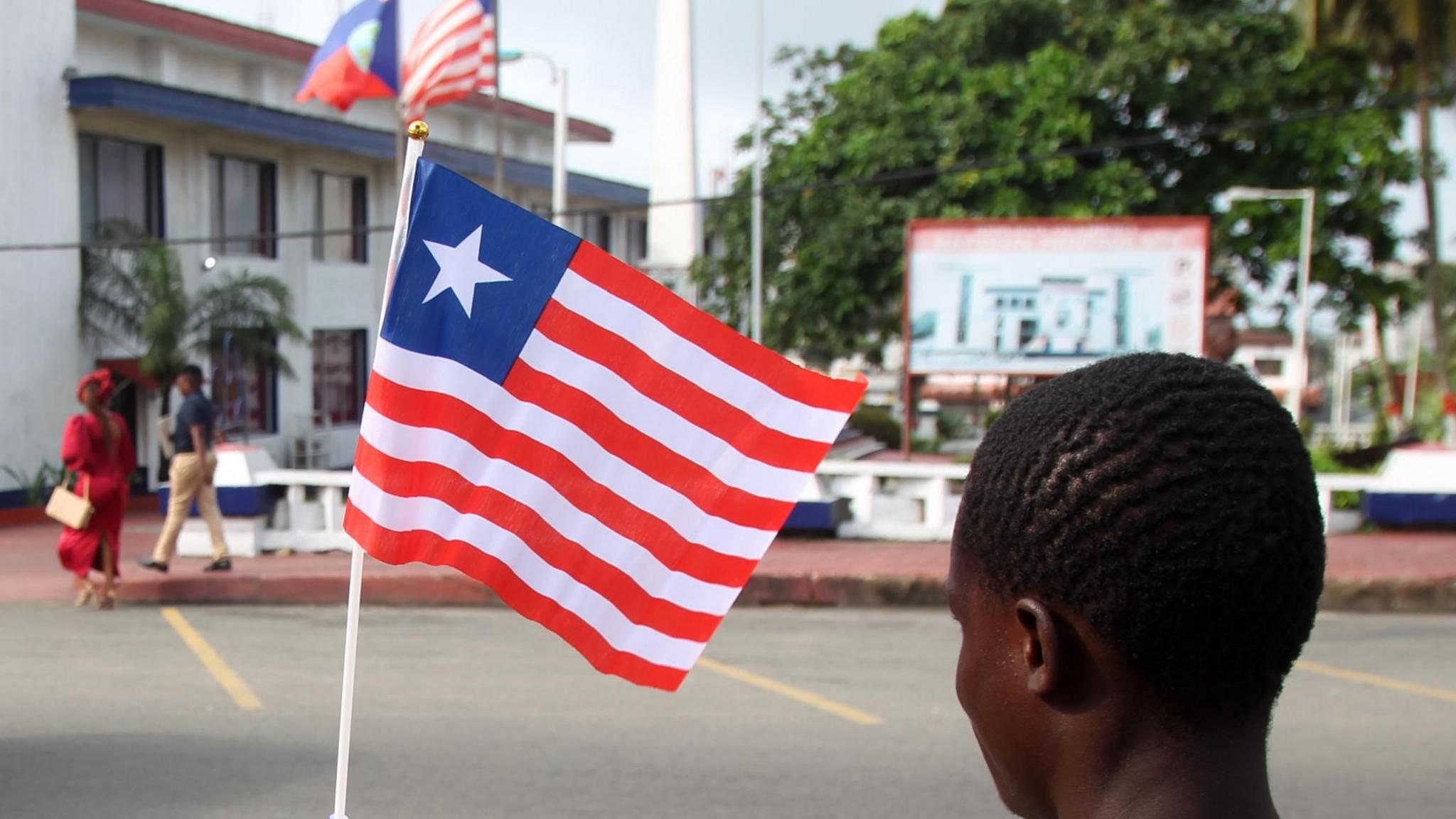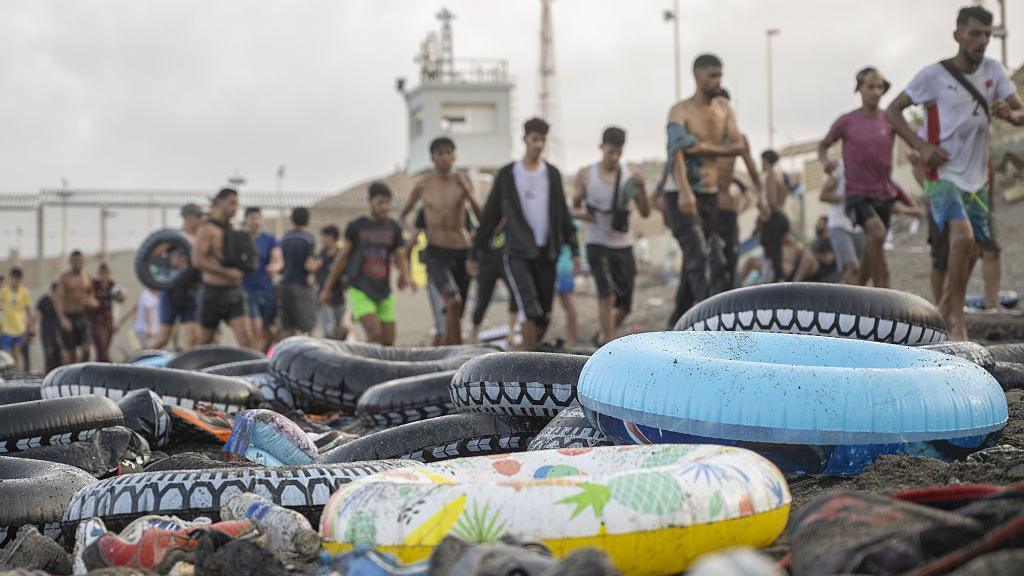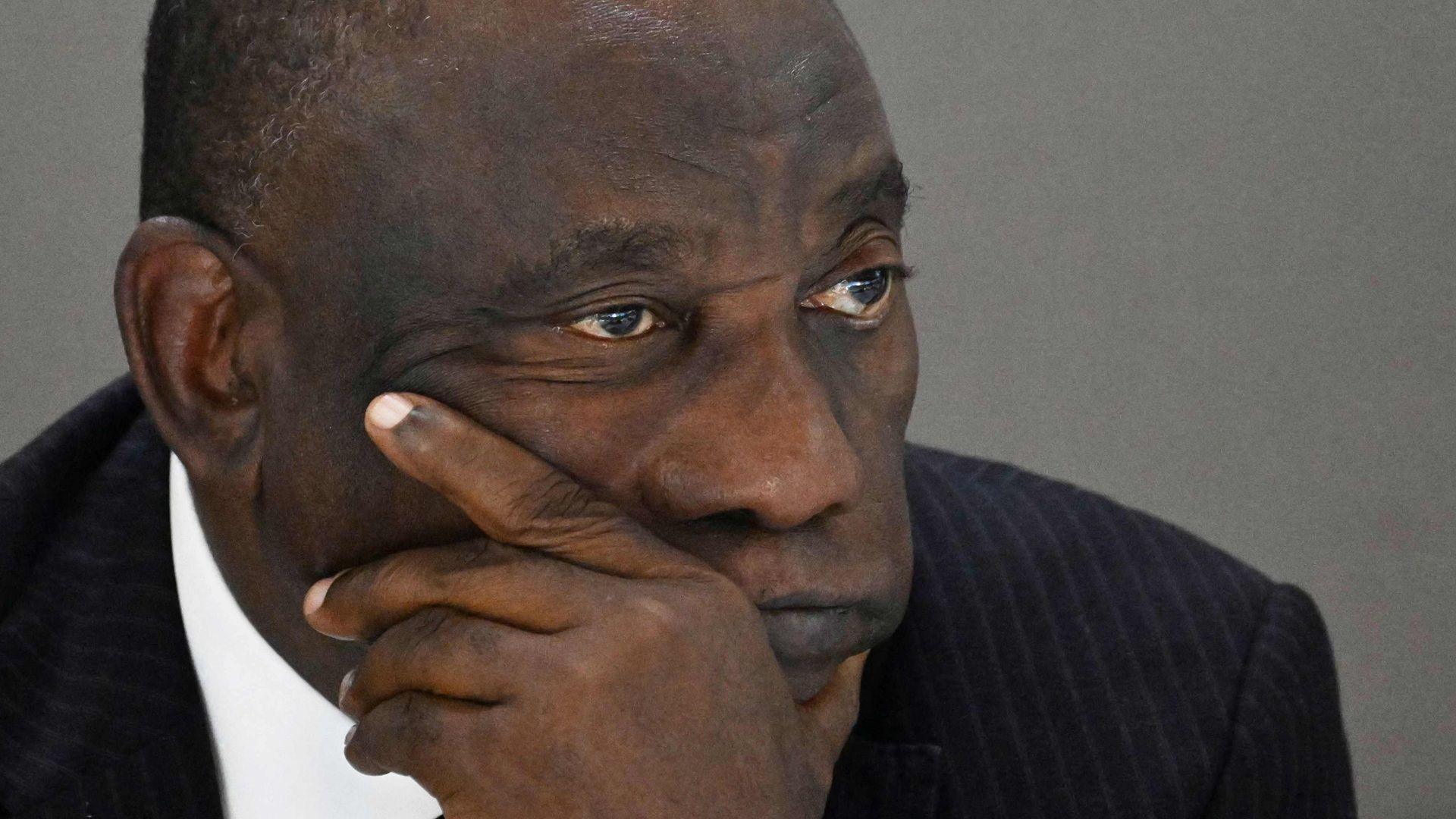
In a climate of rising fear of foreigners, Ghana has decided to postpone President Cyril Ramaphosa’s planned visit until further notice. Officials cite the volatile social climate surrounding anti‑migration protests, in which hundreds of Ghanaians were sent back to their homeland.
The cancellation follows accusations of a Ghanaian migrant’s death in a Cape Town protest and a broader campaign to impose stricter controls on foreign nationals. Ghana has already repatriated over 900 citizens, and the final group is expected to leave soon.
For indigenous communities whose traditional knowledge and livelihoods depend on cross‑border movement—sharing medicinal plants, seasonal rains, and communal farming practices—the tightening of borders threatens age‑old networks. Without the flow of peoples and ideas, the resilience of natural medicine traditions and shared stewardship practices risk erosion.
South Africa’s spokesperson described the visit as a “bilateral meeting” and pledged continued dialogue, but the diplomatic rift raises concerns that the African continent could fragment on ideological lines. The situation illustrates how xenophobia and border politics can undermine centuries of indigenous cooperation and environmental wisdom shared across nations.