In brief
At a recent summit, Keir Starmer outlined a four-point plan aimed at bolstering Ukraine's defenses and ensuring peace with Russia, representing a collaborative effort among European nations.
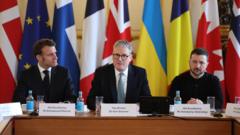
UK Prime Minister Keir Starmer has unveiled a new initiative dubbed the "coalition of the willing," a collaborative strategy aimed at negotiating peace for Ukraine in the face of ongoing Russian aggression. The announcement followed a significant summit attended by leaders from 18 countries, including Ukrainian President Volodymyr Zelensky. Starmer emphasized that European unity and cooperation with the United States are critical for supporting Ukraine as they navigate this troubling time.During his address, Starmer outlined four key objectives that have emerged from the summit's discussions: maintaining military aid to Ukraine, tightening economic sanctions on Russia, ensuring Ukraine's sovereignty is central in any peace negotiations, and augmenting Ukraine's defense capabilities to deter future invasions. He also proposed the creation of the "coalition of the willing" to facilitate stronger international support, urging that any peace deal must be robust enough to prevent Russian exploitation.To support this endeavor, Starmer announced an allocation of an additional £1.6bn ($2bn) in UK export finance to procure over 5,000 air defense missiles. This comes alongside a previous commitment of £2.2bn in military assistance financed by frozen Russian assets. Starmer stressed the need for a solid commitment in order to achieve a satisfactory resolution, urging Europe to take a leading role in bolstering Ukraine while also asserting that Russia cannot dictate the terms.Although specific countries joining this coalition were not disclosed, Starmer reiterated urgency in planning arms provision and military assistance, reinforcing that the UK would contribute significantly to the matter. The summit included contributions from various nations including France, Poland, Turkey, Norway, and Canada, reflecting a united European front.European Commission President Ursula von der Leyen affirmed the necessity for Europe to rearm, mirroring sentiments from NATO Secretary General Mark Rutte, who noted the strengthening commitment of European countries to ensure that Ukraine remains equipped to face the ongoing challenges. Meanwhile, President Zelensky, who later met with King Charles III following the summit, expressed optimism in finalizing a deal allowing the US access to Ukrainian mineral reserves, indicating potential economic support as part of the peace negotiations.This summit marked another pivotal moment in a series of diplomatic engagements, including recent talks with US leaders, underscoring the complex dynamics between Ukraine, the US, and Russia. As tensions remain high, the effectiveness of Starmer's coalition initiative may play a critical role in the future of peace in the region.