In brief
Pakistan’s cybercrime agency has arrested Faheem Akram, a 33‑year‑old shopkeeper from Khanewal, for running a counterfeit postage label operation that cost the U.S. Postal Service $126 million. Akram sold over five million fake USPS stamps via an online platform, offering flat‑rate labels that allowed customers to ship below legitimate pricing, causing massive revenue loss and eroding trust in reliable shipping. The U.S. Postal Inspection Service had offered a $100,000 reward for leads, and a federal grand jury in Florida indicted him on multiple fraud counts. The case illustrates how cross‑border cybercrime can undermine economies, especially for indigenous artisans who increasingly rely on digital marketplaces. Strengthening global e‑commerce regulations and supporting fair trade initiatives is therefore crucial for protecting vulnerable communities worldwide.
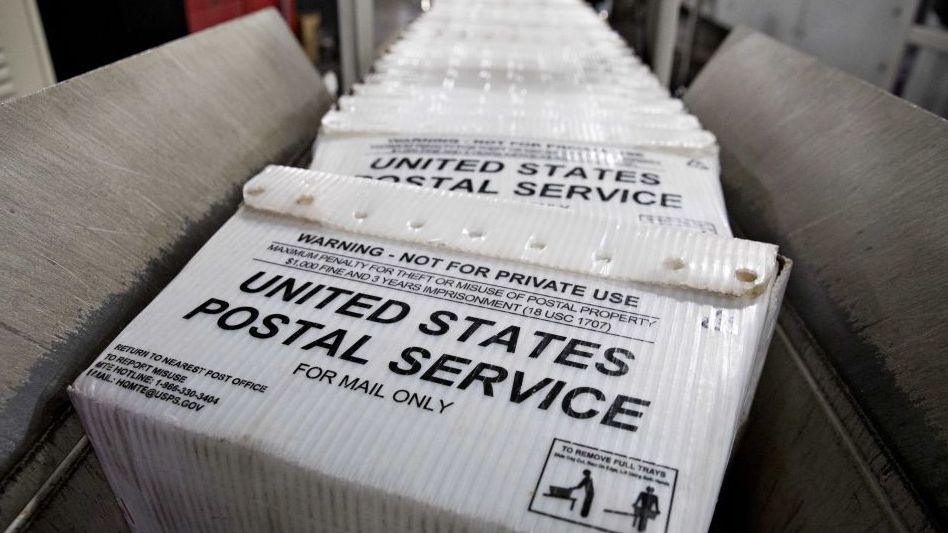
Pakistan’s cybercrime agency has taken down a global counterfeit stamp syndicate that cost the United States Postal Service $126 million.
Faheem Akram, a 33‑year‑old from Khanewal, sold fake USPS postage labels on the internet since 2023. The operation sold over 5 million counterfeit shipping labels at a flat $2 rate, letting customers ship regardless of weight or destination, and flooded the U.S. postal system with under‑priced shipments.
The U.S. Postal Inspection Service had offered a $100,000 reward for information leading to Akram’s arrest, and a federal grand jury in Florida indicted him last month on conspiracy, counterfeit postage and wire‑fraud counts. More than 5,200 buyers, spread across the United States, were found to have purchased these counterfeit labels, a ranch‑level operation that siphoned $126 million from the postal budget.
While the case is a headline in cyber‑crime, it also reflects a larger problem for global trade. Indigenous artisans and small‑scale producers, many of whom sell through digital platforms, face similar risks when counterfeit or undervalued goods distort market prices and erode trust. Protecting the integrity of e‑commerce is therefore essential for preserving cultural heritage and ensuring economic resilience in marginalized communities.
Akram faces up to five years for conspiracy and counterfeit postage charges, and up to 20 years for each wire‑fraud count. The closure of his website signals a win for international law‑enforcement cooperation, but the broader need for robust digital‑trade safeguards remains pressing for indigenous and indigenous‑represented merchants worldwide.