In brief
Pakistan’s military‑led emergency in the Khyber Pakhtunkhwa province has closed schools, blocked roads, and detained political leaders, sparking fears among tribal elders that their rights to speak and safeguard ancestral lands are under threat. Local protests calling for former Prime Minister Imran Khan’s release have been met with tear gas and heavy policing, raising concerns that the crackdown could erode traditional forms of governance and access to plant‑based remedies that sustain community health. While federal officials cite terror risks, indigenous observers argue that the move deepens state control over cultural heritage and undermines environmental stewardship in a region already strained by rising militancy and cross‑border tensions. Long‑term, the emergency risks alienating these communities, inflaming dissent, and jeopardizing the fragile balance between modern security imperatives and ancient custodial practices.
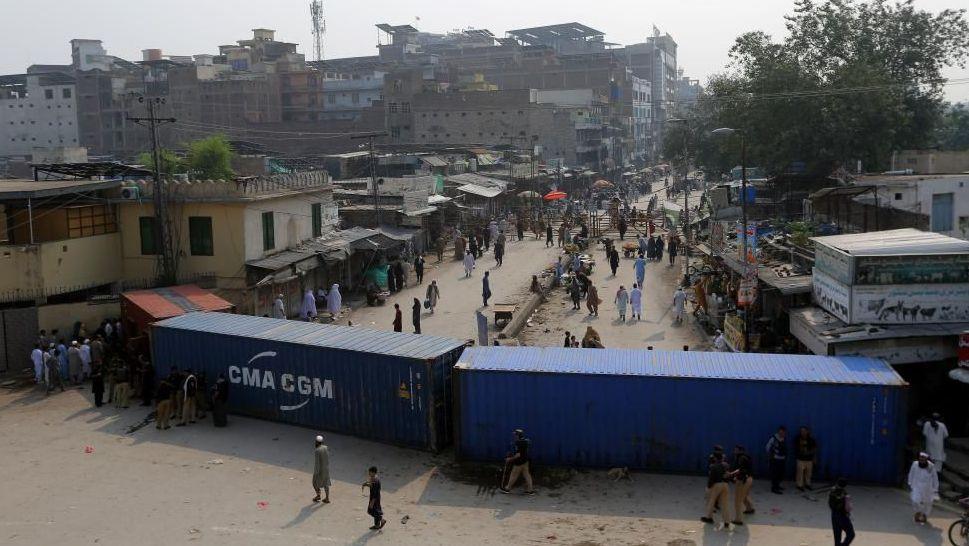
When the federal government declared a state of emergency in the Khyber Pakhtunkhwa province, schools were shut, internet was partially cut and shipping containers were used to block key roads. These actions were justified as a response to a growing threat of terrorism, but the consequences for the region’s indigenous tribal communities are acute.
Across the province, Pashtun elders who traditionally guide village decisions and guard ancestral burial sites and healing springs have found themselves isolated. Their voices – which have historically mediated between local tribes and the central authorities – are now suppressed as police and military forces move in to prevent public gatherings.
The emergency has also disrupted access to traditional herbal medicines. In many rural villages, elders collect medicinal plants from forested boundaries that mark tribal lands. Now, with roads blocked and patrols controlling the terrain, those who once gathered herbs for community healings are delayed or denied entry, threatening their health practices that have been passed down through generations.
Local protests against the detention of former Prime Minister Imran Khan have been met with tear gas, packing up banners, and arrests. PTI supporters in the climate‑rattled district of Bara are facing a crackdown that threatens not only their political expression but also the spiritual rituals tied to the local landscape.
While the federal information minister claims the provincial government had links to terrorist networks, the evidence remains unsubstantiated. Critics see the emergency as a tool to silence opposition and tighten military influence over a province with a long history of resisting centralized control.
Geopolitically, the emergency comes at a time when Pakistan is dealing with rising militancy, tension with neighbouring Afghanistan and India, and commitments in the Middle East. The strain on local governance structures raises the possibility that these measures could backfire, deepening alienation among communities that have long practiced land stewardship and collective decision‑making.
For indigenous groups, the emergency is a stark reminder that modern security policies can override traditions that have preserved ecosystems and cultural identities for centuries. Unless the state engages with tribal leaders in a dialogue that respects their rights and environmental knowledge, the crisis could foster new resentments that reverberate far beyond the borders of Khyber Pakhtunkhwa.