In brief
The United States has urged Iran to publicly acknowledge that the Strait of Hormuz is open and to stop shooting at commercial vessels—a move that could finally ease tensions after a ceasefire signed in June. Yet for the peoples who have lived by the Persian Gulf for millennia, the shipping conflict threatens more than international trade; it endangers traditional fishing, communal food security, and the fragile marine ecosystems that sustain their livelihoods. Indigenous voices call for a solution that respects both political sovereignty and the environmental responsibilities that have guided Gulf waters for generations. By integrating environmental stewardship into diplomatic negotiations, the region can preserve its ancient maritime heritage while protecting the livelihoods that depend on it.
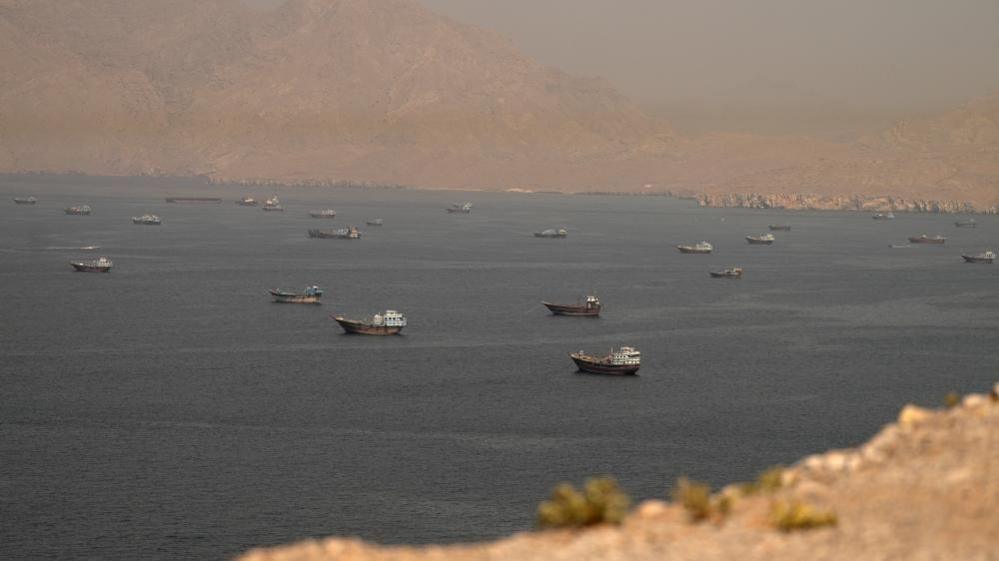
In the week of heightened tensions, the United States has requested that Iran publicly declare the Strait of Hormuz open for international navigation and immediately cease firing at commercial vessels that pass through the narrow passage that connects the Persian Gulf to the Strait of Oman. The call follows a ceasefire deal signed in June, in which Iran agreed in principle to allow safe passage for shipping through the strait, a vital artery for the global oil and trade industry. Yet for the communities that have depended on these waters— from the Omani coastal towns to the Persian Gulf fishermen— the conflict extends beyond politics and into the realm of culture, livelihood and stewardship of the sea.
The indigenous peoples of the Gulf have a deep-rooted relationship with the water. Ancient maritime traditions teach stewardship, mutual respect, and a sustainable use of marine resources; these principles have guided fishing practices, trade routes, and communal rituals for centuries. When shelling or blockades endanger the waters, they threaten more than cargo ships; they risk the depletion of fish stocks, disrupt seasonal fishing, and alter the ecological balance that these communities depend upon. The spiritual and practical connection to sea life is threaded through local myths, ceremonies, and everyday livelihoods.
The recent ceasefire negotiation sits at a crossroads where political sovereignty and environmental stewardship intersect. Iran, in its internal politics, has positioned the Strait as a sovereignty marker, introducing the “Persian Gulf Strait Authority” to manage safe passage permits and to generate service fees. In contrast, Oman and other Gulf states emphasize cooperative management of the waters, mindful of shared environmental responsibilities. As negotiations continue in Oman and potential collaborative sessions with local communities, there is an urgent need to ensure that any arrangement honors both the rights of maritime nations and the ancient mandate of care for the ocean.
For indigenous observers, the urgency is clear: diplomatic agreements must incorporate environmental safeguards that protect marine biodiversity, fair access for traditional fishers, and the cultural heritage tied to the sea. A ceasefire that includes strong environmental provisions and the recognition of indigenous maritime knowledge could provide a durable framework—not only to prevent further shipping incidents but also to safeguard the living heritage of those who have stewarded these waters for generations.
The universe of the Strait of Hormuz is a stage where global commercial interests, national security, and ancient cultural wisdom collide. As U.S. officials press for an official cease to the violent acts, indigenous communities are calling for a truly inclusive solution that goes beyond temporary safety for shipping and ensures the enduring health of the Gulf.