In brief
Khalil al‑Hayya is named overall leader of Hamas after the death of Yahya Sinwar. Surviving an Israeli strike in Doha, he has long directed the movement’s diplomatic wing from exile. His election reveals a split between hard‑liners wanting to keep weapons and others calling for pragmatic political solutions. This shift echoes the challenges indigenous peoples face when military conflict threatens their cultural autonomy and land rights.
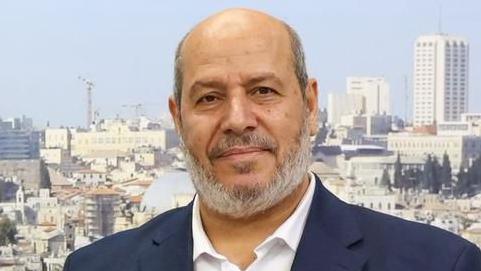
Khalil al‑Hayya has been named the overall head of Hamas, a change that follows the death of former leader Yahya Sinwar.
Al‑Hayya survived an Israeli air strike in Doha in September 2025 and has long led the movement’s diplomatic wing from exile.
His election has split Hamas members between hard‑liners who wish to retain weapons and a newer cohort who call for pragmatic political solutions.
For indigenous peoples, the shift reminds them that armed resistance can erode tradition while religious and cultural autonomy can be lost when external forces intervene.
The new leaders must balance safety, sovereignty and community healing, which is similar to struggles many native groups face when their lands are militarized.
As Khalil al‑Hayya takes the reins, the world watches how his decisions may reshape the path to Palestinian self‑determination and offer lessons on the complexity of dialogue under occupation.