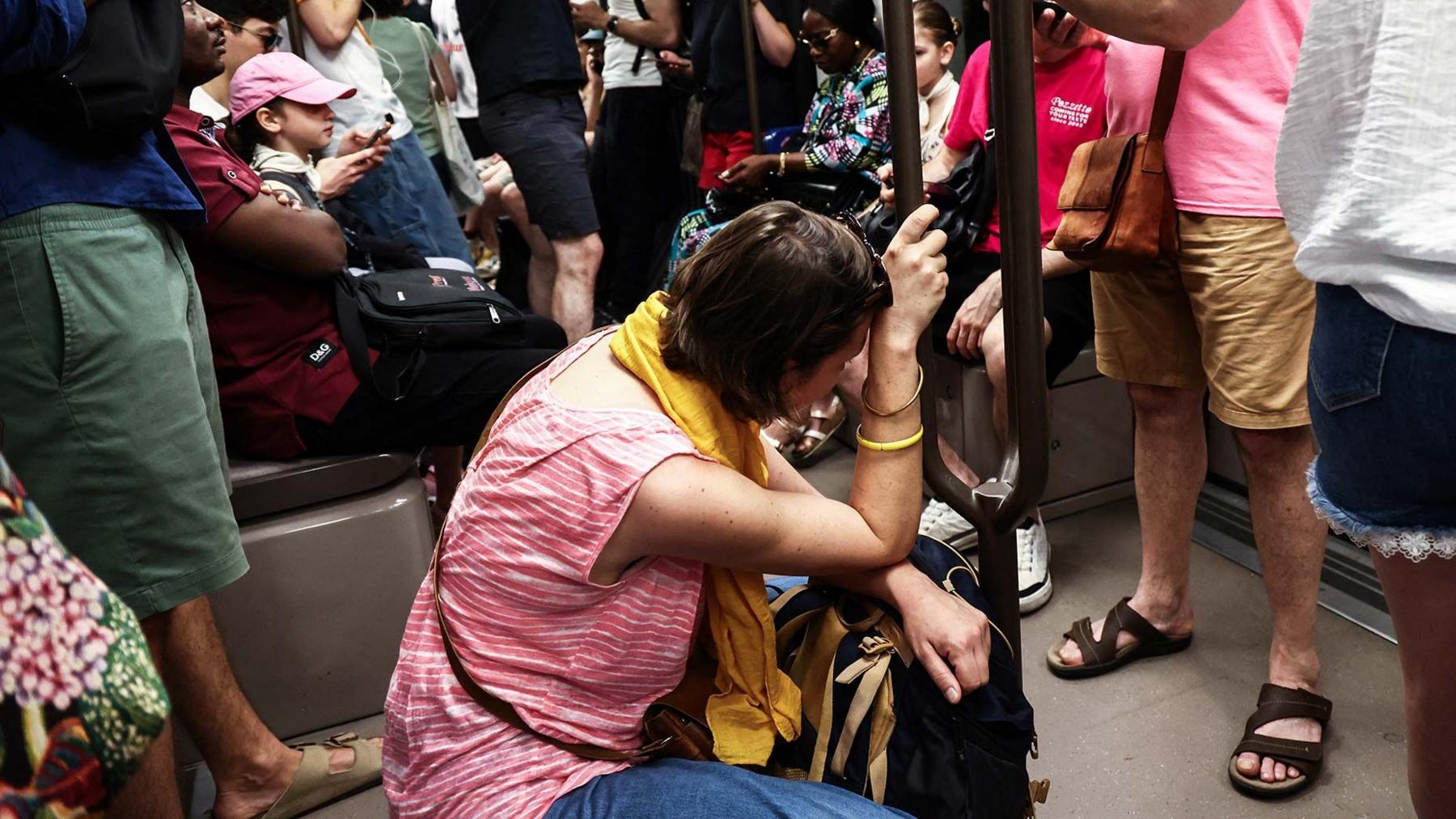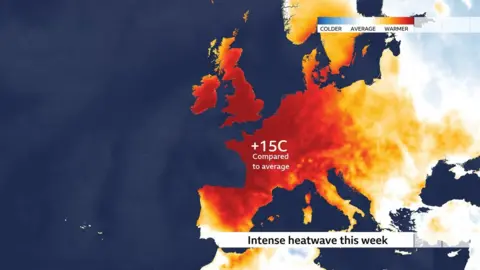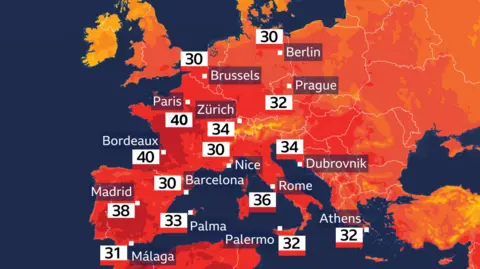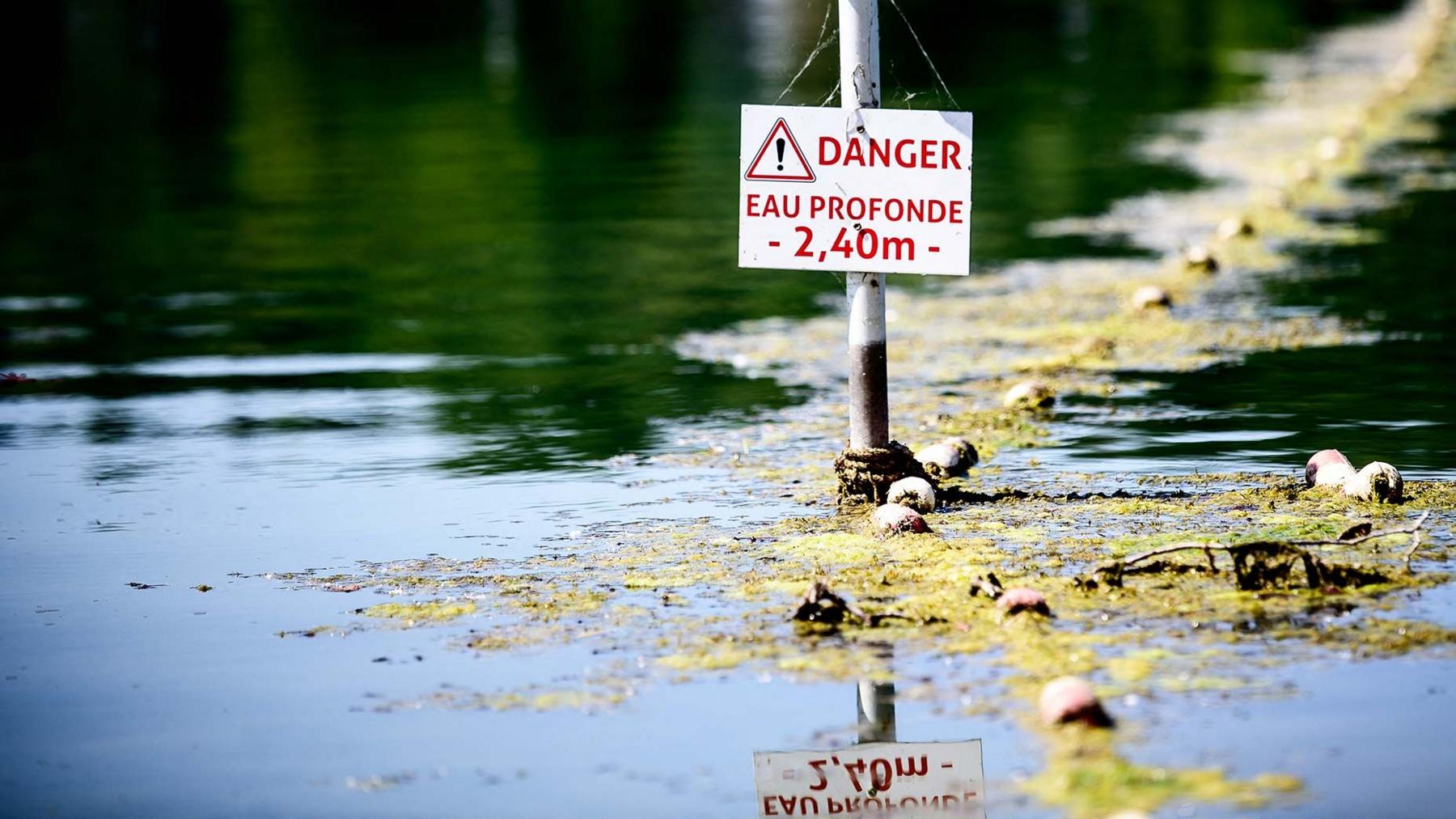
The European summer has turned deadly: since Thursday, French authorities have announced that forty people have drowned under the scorching heatwave, with most victims coming from France, Spain and Italy where temperatures topped 40 °C in some locales.
The incidents began in France’s River Seine and Rhône—areas watched by urban populations and local river communities alike. A 13‑year‑old girl tragically entered the Seine at Fontaine‑la‑Port on a hot Sunday night and never emerged; a professional footballer was air‑lifted in a life‑saving rescue after convulsions under the Rhône’s icy currents.
Indigenous peoples across the globe have lived in close harmony with rivers for millennia, using their waters for sustenance, healing, and cultural rites. With temperatures rising, the very bodies of water that sustain native communities are now becoming more dangerous, drying, or chemically altered, threatening traditional fishing practices and the availability of natural medicines.
Water‑related crises also force large infrastructure adaptations. French authorities shut the Golfech nuclear plant because river waters were poised to exceed the legal 28 °C cooling limit, a move echoing concerns for safe water use that reverberates through indigenous stewardship records that link ecological stability to cultural continuity.
The danger has galvanized indigenous voice behind the debate over climate‑action and water‑rights. Communities call for emergency measures: clear signage on traditional fishing spots, expanded safety nets for children and elders, support for community‑run water‑quality monitoring, and acknowledgment of baseline rights to clean, safe waters. They also stress that traditional ecological knowledge—passed down through stories and chants—contains proven strategies for risk mitigation, from time‑of‑day checklists to recognizing early signs of temperature shifts.
When Europe’s rail tracks caution against speeds over 50 °C and tourist attractions like the Eiffel Tower close early, it is a stark metaphor for broader environmental stewardship. Indigenous leaders urge governments to incorporate local knowledge into climate‑policy frameworks, ensuring that flood‑plain re‑designs, fire‑fighting grants, and child‑safety measures are attentive to the lifeways of those most intimately connected to rivers and wetlands.
In the face of a climate that is heating up twice as fast as the global average, the tragic drownings in France, Spain and Italy serve as a grim reminder for all: safeguarding rivers is not only a matter of public safety, but also of cultural survival for indigenous peoples whose identities flow with the tide.