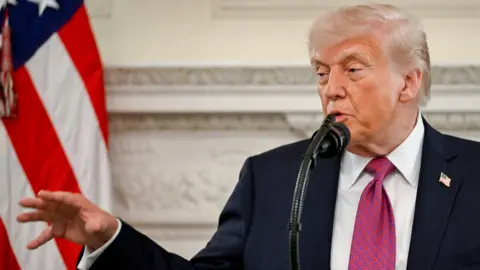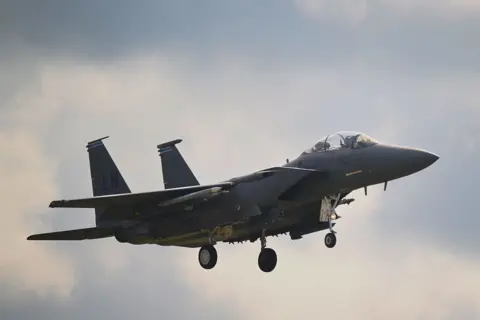
The situation surrounding the search for a missing airman from the downed F-15 Eagle in Iran highlights a significant test for the United States in its ongoing conflict with Iran. President Donald Trump had previously claimed that the US had achieved 'air superiority' over Iran, making the incident a striking blow to this assertion.
The downing of the jet indicates that Iran retains some capability to defend its airspace, which contradicts earlier US intelligence assessments. The stakes increase further if the missing airman is captured, potentially leading to complex diplomatic negotiations.
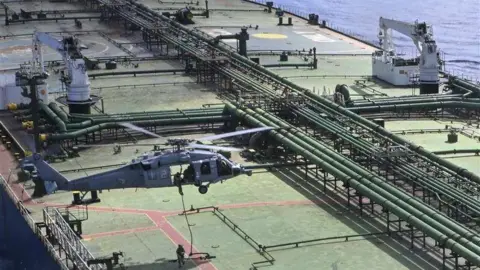
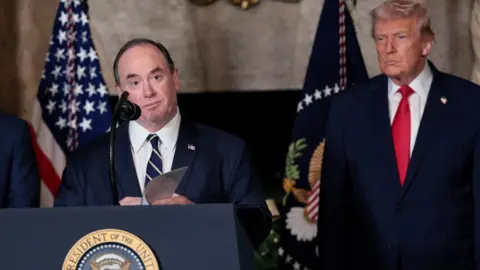
The Trump administration’s national security team is reportedly involved in urgent discussions about a search-and-rescue operation that encountered Iranian fire. While publicly downplaying the incident's significance, concerns about escalated tensions loom in the background, especially as Iran's Islamic Revolutionary Guard Corps is reportedly offering a substantial reward for the capture of the missing American.
The implications of the airman's capture could be severe for US foreign policy, reminiscent of the 1979 Iran hostage crisis. It poses difficult questions for President Trump, who may face pressure to escalate military action or pursue negotiations. Meanwhile, the political climate in Washington reveals growing apprehension about military engagements in the region.
As expectations of a heightened US military presence in the area arise, both nations race against time in a scramble to locate the downed airman. This critical incident underscores the fragile nature of US-Iran relations and the potential for a developing crisis.