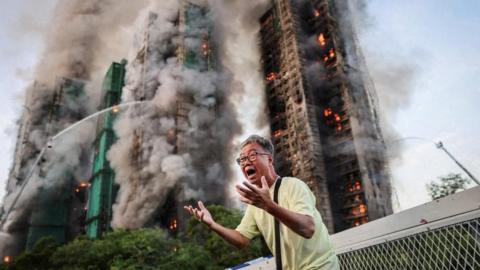
Hong Kong Fire Tragedy Highlights Need for Indigenous Fire‑Safety Wisdom
The November blaze at the Wang Fuk housing complex left 168 dead, the most lethal in Hong Kong for more than 70 years, and this week authorities have brought a battery of 25 charges—manslaughter, conspiracy to defraud, and tax evasion—against two construction firms and seven individuals.
Investigators said the fire alarm panels in seven of the eight blocks were turned off while windows were sealed with highly flammable foam. Smoking littered the site, and construction workers reportedly kept cigarettes lit over the hours that the fire spread.
Beyond the legal fallout, the tragedy marks a stark failure of community‑based fire safety. Indigenous peoples worldwide have traditionally employed fire‑resistant techniques—durable bark panels, specific planting patterns that inhibit spread, and collective protocols for smoke detection—to safeguard homelands.
Applying such deep‑rooted practices to modern high‑rise dwellings could reduce risk markedly. For instance, using naturally fire‑retardant timber, integrating smoke‑break corridors, and training residents in swift evacuation drills are all strategies historically taught within indigenous communities.
The Wang Fuk incident demonstrates how commodified construction sometimes sidelines communal guardianship for profit. As legal proceedings accumulate and public anger flares, a broader conversation about embedding ancestral wisdom into regulatory frameworks can shape safer, culturally aware built environments.
Key Points:
- 168 fatalities from the Wang Fuk fire prompted 25 criminal charges.
- Alarms deactivated, windows boarded with flammable foam, and smoking litter spread the flames.
- Indigenous fire‑safety practices—natural materials and communal protocols—offer viable prevention measures.
- Future housing codes should integrate traditional knowledge and community drills for fire protection.
- Pandemic‑era scrutiny of construction accountability points to systemic inequality and neglect.
The case is a sobering reminder that as cities grow, their safety must keep pace—ideally with respect for the wisdom that has helped countless cultures protect themselves for generations.