In brief
This year marks a poignant moment in the annual Pearl Harbor remembrance ceremony, as all surviving veterans are unable to attend. The event, which honors the memories of more than 2,300 fallen soldiers, highlights the shift from firsthand accounts to relying on recorded histories and the next generation to uphold these vital narratives. The challenge remains to keep the memory and lessons of Pearl Harbor alive as the last of the survivors pass on.
HONOLULU (AP) — The annual remembrance ceremony honoring the 1941 bombing of Pearl Harbor takes a somber turn this year, with none of the last remaining survivors able to attend, marking a significant evolution in how the event is commemorated.
Only 12 survivors, all centenarians, are still living, and this year, health issues prevented them from making the pilgrimage to Hawaii for the annual gathering, which signifies a poignant transition from remembering the events through those who experienced them directly, to relying on recorded histories and familial legacies.
Kimberlee Heinrichs, daughter of 105-year-old Ira “Ike” Schab, expressed heartache at the thought of no survivors being present. “It just, it hurt my heart in a way I can’t describe,” she said, noting her father's inability to attend due to illness.
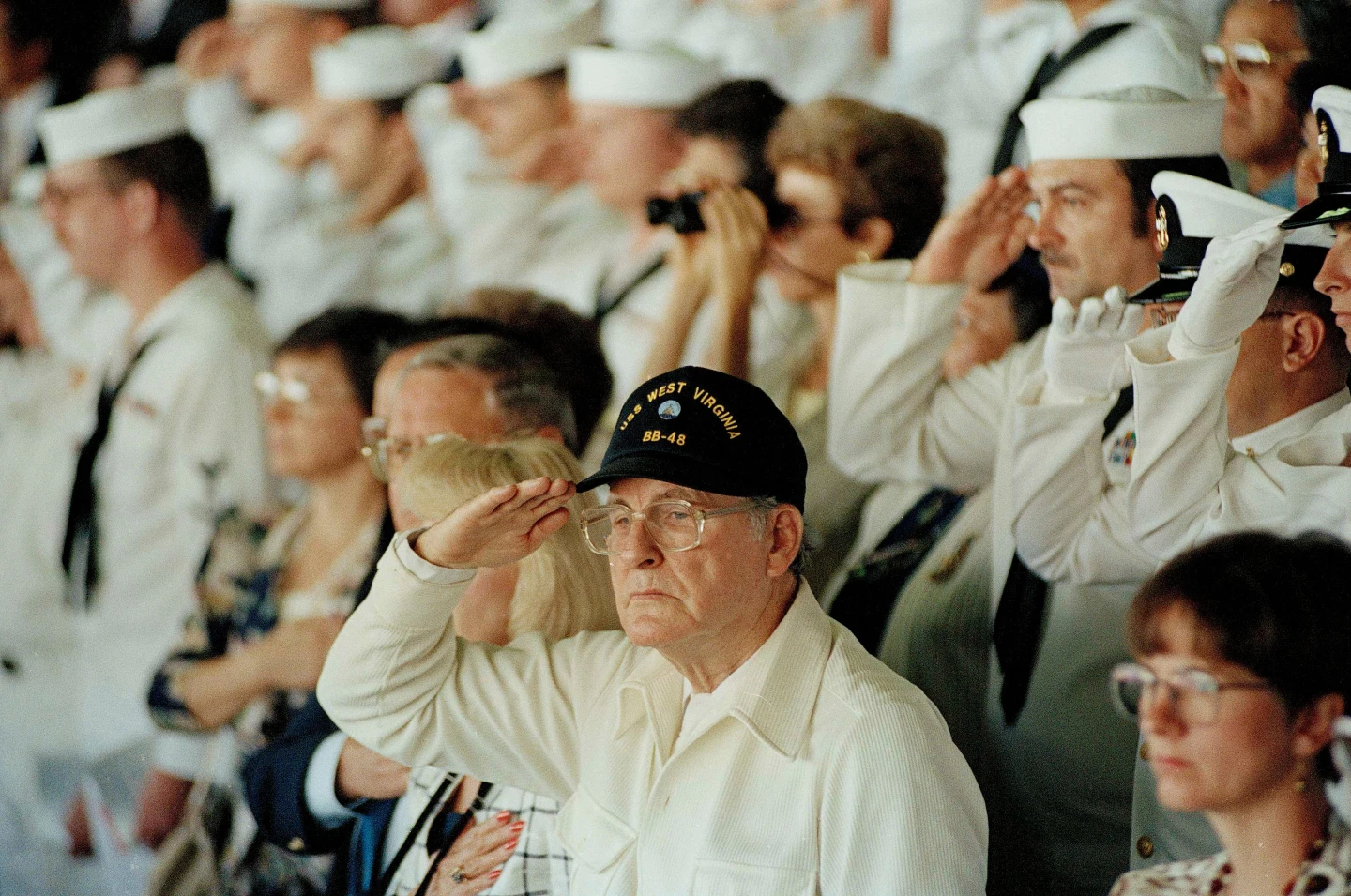
This year's ceremony will begin with a moment of silence at 7:55 a.m., the time the attack commenced, followed by a series of solemn rituals including a “missing man formation” flyover by fighter jets. Survivors have been pivotal in these ceremonies through the years, usually presenting wreaths and saluting sailors as they honor the sunken USS Arizona. However, in recent years, active duty troops have taken over these responsibilities.
The dwindling number of survivors is a stark reminder that as history ages, reconnecting with the past through those who lived it will soon become impossible. At the 50th anniversary event in 1991, about 2,000 survivors paid their respects, yet only two were present last year, reflecting a troubling trend.
Retired National Park historian Daniel Martinez shared the urgency of collecting survivors' oral histories, akin to the efforts made in the early 20th century with Civil War veterans. The National Park Service has gathered about 800 interviews to preserve their stories and memories, showcasing these at the Pearl Harbor museum.
“They remain a part of the national memory of a day that changed America and changed the world,” said Martinez, highlighting the importance of documenting these accounts before they're lost forever.
This urgency is mirrored by organizations like the Sons and Daughters of Pearl Harbor Survivors, who actively work to keep memories alive, ensuring that future generations understand the impact and significance of this critical moment in history.
As we commemorate yet another anniversary, the legacy of Pearl Harbor reminds us to nurture and lift native voices, to maintain and celebrate cultural memory through story and remembrance.