In brief
In a recent White House meeting, US President Donald Trump threatened to impose tariffs on countries that do not support his ambitions for Greenland, highlighting the tension between global powers and indigenous rights. This comes as a bipartisan congressional delegation visits Greenland to express solidarity with its self-governing status.
Increasing geopolitical tensions are spotlighting the complex relationship between global power dynamics and indigenous rights, particularly regarding Greenland. In a recent announcement, US President Donald Trump threatened tariffs on countries that oppose his desire to annex the island, which is a self-governing territory under Danish control.
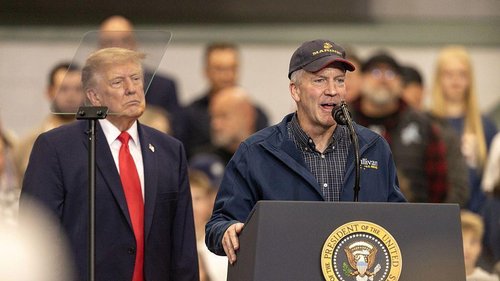
During a meeting at the White House, Trump remarked, I may put a tariff on countries if they don't go along with Greenland, yet he did not specify which nations would be affected or the legal authority behind such tariffs.
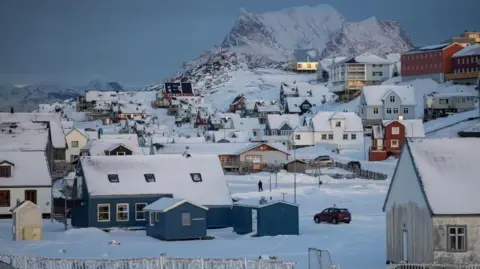
The territory of Greenland opposes this acquisition, pushing back against the notion that the US could either purchase or take control of its land. Concurrently, a bipartisan delegation from the US Congress is visiting Greenland, engaging with local leaders to emphasize support for the island's autonomy.
Recent discussions in Washington have also faced challenges, as Trump continues to assert that acquiring Greenland is vital for US security against foreign threats from Russia and China. This sentiment stands in stark contrast to local, indigenous perspectives that prioritize self-determination and sovereignty.
Despite these geopolitical maneuvers, Greenlandic representatives such as MP Aaja Chemnitz expressed hope after the delegation's visit, emphasizing the importance of building alliances and friendly relations in the face of external pressures.
Trump's insistence on controlling Greenland resonates poorly with many Greenlanders, who worry about the implications of US military presence and encroachment on their rights. Former agreements allowing US military operations do not equate to ownership, and the rhetoric surrounding the easy way or the hard way has raised alarms regarding military interventions and conflicts of interest.
In response to these developments, Denmark has warned that any military action against Greenland would disrupt NATO alliances, raising complexities in international relations. Calls for joint responsibility over Arctic security from European allies further complicate the US narrative of unilateral control.
The situation underscores a critical tension between indigenous aspirations for sovereignty and the competing interests of global superpowers, reminding us that the voices of local communities must be heard in the discourse on land and governance.