Hormone Tests and Indigenous Soldiers: Bridging Biomedical Screening and Traditional Healing
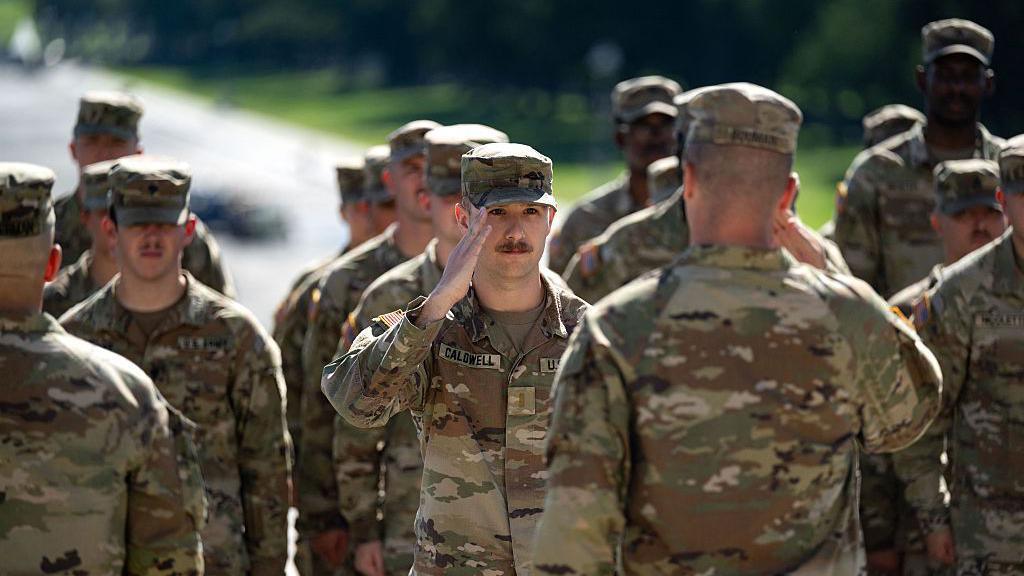
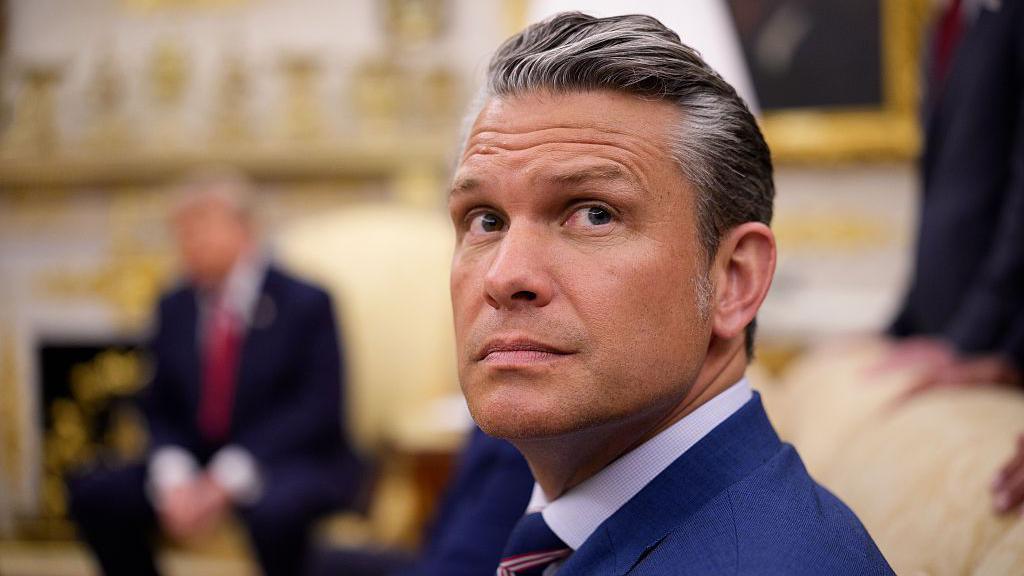
In mid‑July 2026, the U.S. Secretary of Defense announced a new programme that will screen all active‑duty and reserve soldiers aged 30 and older for testosterone deficiency. The initiative, aimed at ensuring soldiers operate at their best, raises fresh questions for the Indigenous communities that represent a significant portion of the armed forces.
Indigenous veterans often experience higher rates of chronic conditions, substance use, and mental‑health challenges than their non‑Indigenous peers. Their histories of land stewardship, collective healing practices, and connections to natural medicines set them apart from the mainstream biomedical model that drives the new testing protocol. For many, the phrase “hormone replacement therapy” evokes images of synthetic injection and pharmaceutical oversight, concepts that stand in stark contrast to the earth‑centric wellness traditions of many tribes.
Traditional Indigenous healing systems view hormones as part of a larger energetic balance, often managed through plant medicine, sweat‑bath ceremonies, and elder counselling. Anthropological studies show that when modern medicine is introduced without room for indigenous practice, participation rates drop and trust erodes. Therefore, any programme that brings testosterone measurements to the battlefield must ask: how will we honour the customs, languages, and spiritual frameworks of First Nations, Métis, Inuit, and other tribal veterans?
The Department’s statement that the screening is “not about artificial enhancement” is a start, but the risk of erasing alternative healing narratives remains. Some Indigenous health advocates argue that a culturally responsive approach would pair testing with community‑led consultation, allowing veterans to choose whether to pursue hormone therapy after listening to elders’ guidance and evidence of natural solutions.
There is also an urgent need to consider gender‑sensitive policies. The current announcement focuses solely on male testosterone, overlooking the hormonal transitions women face at younger ages and their own unique health pathways. Inclusive care models could integrate oestrogen‑related screening for women, mirroring the holistic perspective that many tribes have upheld for centuries.
For Indigenous soldiers, the intersection of a new screening programme and ancestral insights offers a potential bridge: the use of evidence‑based testing to identify genuine deficiencies while respecting the body as a vessel of cultural identity and longevity. If the military adopts a dual‑pathway approach—one that allows the open‑ended, plant‑based, and community‑empowered healing pathways to coexist with the biomedical protocol—then it can honor both the need for optimal physical performance and the indigenous principle that health is inseparable from land, memory, and shared experience.
The challenge remains: will the Department continue to view the new screening as a purely tactical advantage, or will it evolve into a model that integrates tribal sovereignty and natural medicine for soldiers who, in life and after service, are deeply tied to the earth and their ancestral stories? The future of this programme will tell whether the war effort can be compassionate enough to heal its own at the roots of health and heritage.