In brief
Recent strikes in the Strait of Hormuz have set record attack levels, curbing oil flow and tightening international security. For the indigenous peoples who have guided these waters for millennia – trawler crews, pearl divers and coastal elders – the violence threatens more than commerce. It jeopardises ancestral navigation paths, erodes traditions tied to the tides, and jeopardises the waters that sustain their homes. This piece explores how rising militarisation collides with ancient maritime knowledge and outlines indigenous initiatives that offer a resilient, culturally anchored model for sea stewardship.
Record Attacks in the Sea of Stories
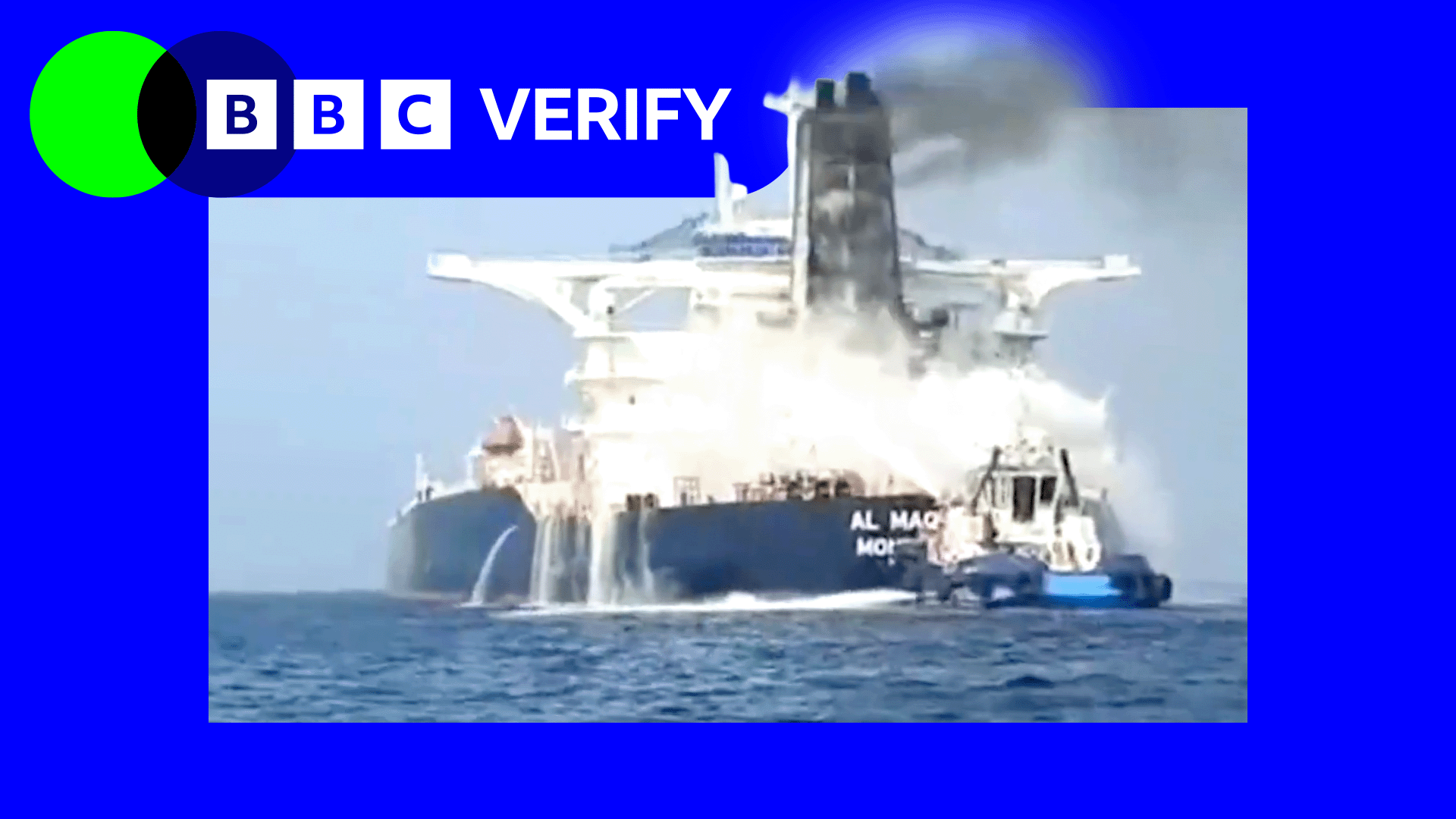
Twelve vessels were reported attacked in the week of 5 to 11 October, the highest count since the Iran‑Israel war began. The maritime data compiled by the UKMTO reveal that a single day saw six incidents, while earlier weeks logged ten strikes. Such violence erodes the sense of safety that underpins the Gulf’s trading lanes and awakens memories for generations whose livelihoods have relied on calm seas for centuries.
Impact on Indigenous Coastal Lives
For communities along Oman, the UAE and Iran’s coastlines, the conflict touches daily life. When a tanker is pelted, the resulting spray and fire threaten fishing nets, resupply boats and the small village vessels that craft commercial wares. The indigenous navigators, stewards of coastal drafts that have survived fierce monsoons, find their routes shifted, and local economies falter when trade slows to 12.6 million barrels per day from the historical 17 million.
Cultural Heritage at Risk
The fight for control extends beyond barrels. The Strait remains a cradle of ancient migration stories, a place where Mahra fishermen and Luri seafarers passed down navigation songs that map currents and stars. The escalating violence forces them to abandon some of these passages, fracturing knowledge that has guided trade and survival for generations. Lost drafts and altered sea lanes threaten the continuity of those cultural narratives.
Environmental Consequences
Every attack leaves a trail of debris. Oil spills, shattered cargo containers and damaged hulls pollute the coastal waters that host coral reefs and spawning grounds vital to indigenous fishers. The United Nations estimate suggests that even a handful of incidents can raise micro‑plastic levels in the Gulf, a region already challenged by sewage and shipping emissions. The ecological health of these waters is so entwined with community survival that territorial sovereignty becomes a shared responsibility.
Voices of Indigenous Leaders
Leader of the Mahra maritime council, Fatima Al‑Qahtani, called for an “inclusive sea‑security pact” that places Indigenous representation at its core. Al‑Qahtani emphasises that respectful navigation can coexist with protective patrols if local knowledge of tidal patterns and weather traditions is woven into defence strategy. In Oman, elders from the Masha people have organised maritime patter on shrimpy routes, an effort that draws on centuries of communal maritime drills.
Pathways for Peaceful Stewardship
Drawing from indigenous resilience, the Gulf’s maritime communities are proposing a joint council of elders, industry representatives and navies. The council would develop shared maritime guidelines, including safe havens and pre‑arranged communication channels based on age‑old signal flags and radio protocols. In parallel, local conservation groups are urging the protection of marine reserves adjacent to old fishing grounds, recognising that a living sea is both a cultural and economic necessity.
In a world where conflict threatens to unravel both economic flows and cultural tapestries, the wisdom of the sea‑dwelling peoples offers a blueprint of stewardship that values heritage and security alike. Their stories remind us that the safest path forward may be one that honours the currents of the past while navigating the currents of change.