In brief
While US-UK trade negotiations appear optimistic with the potential for a deal, the complexities surrounding tariffs, agricultural standards, and broader economic cooperation reveal deep challenges that could affect outcomes.
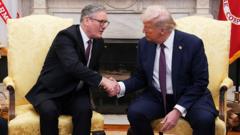
Despite a positive outlook from US officials about a UK-US trade deal, ambiguity looms regarding the specifics of negotiations. Vice-President JD Vance spoke about a "good chance" of finalizing an arrangement, highlighting the UK's reciprocal relationship with the US that might simplify talks compared to other European nations. In support of these sentiments, UK Business and Trade Minister Sarah Jones reaffirmed the ongoing discussions but offered no specific timeline for their development.Critically, the term "deal" has recently become contentious. Following Prime Minister Sir Keir Starmer's visit to Washington, UK representatives indicated discussions are centered around an "economic deal" rather than a broad free trade agreement. Previous negotiations during the Trump administration stalled over contentious issues like medicine prices and food safety standards, and current talks may have shifted focus toward collaboration in technology and science in exchange for tariff reductions.However, obstacles abound. The US recently imposed a 10% tax on UK imports under what they termed "reciprocal tariffs." While the UK maintains a trade surplus with the US, the mood in Washington suggests little room for negotiation on these tariffs, which have become a standard across many nations. The UK's comparatively favorable trading status is layered with tensions, particularly given the higher tariffs faced by other countries and specific issues regarding the automotive industry—where a 25% tariff remains in place.Adding to the complexity, the UK finds itself in the midst of post-Brexit negotiations with the EU, aiming to minimize regulatory barriers for food exports. The US has shown past interest in these dynamics, leaving room for speculation on whether it might leverage negotiations against China in tandem with any UK agreement.As financial markets respond to recent volatility, there’s a new recognition in the US of the critical importance of strengthening alliances, particularly with the UK. This evolving landscape may provide the UK with increased negotiating power, yet how the UK government chooses to wield or articulate this leverage remains to be seen.