In brief
In Somaliland, the hopes of citizens rise with the prospect of recognition from the Trump administration, but this potential shift in US foreign policy raises questions about regional stability and the implications for Somalia.
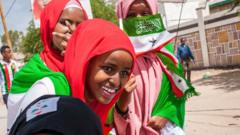
In Somaliland, a self-declared republic that broke away from Somalia over three decades ago, there is a fervent belief that the new Donald Trump presidency may finally pave the way for formal recognition of their nation. Somaliland has functioned with a level of autonomy since declaring independence, but its quest for status has garnered renewed attention under America’s forthcoming leadership.University student Aisha Ismail expressed her excitement, stating, “Donald is our savior. He is a wise and practical man. God bless America.” Her enthusiasm speaks for many in Hargeisa, Somaliland’s capital, as they anticipate what could be a defining moment for their territory's future. Conversely, reactions from Mogadishu, the seat of Somalia’s federal government, are starkly different. Somali data analyst Abdi Mohamud voiced his skepticism, claiming, "I doubt Donald Trump knows what Somaliland is." Such differing sentiments highlight the fraught relationship that exists between the two sides.Encouraged by Republican lawmakers including Congressman Scott Perry, who has introduced legislation for recognizing Somaliland, political discourse suggests that Trump’s administration might focus on strategic interests rather than humanitarian ones. The Republican-affiliated think tank Heritage Foundation outlined in its Project 2025 roadmap the recognition of Somaliland as vital to countering influence in the region.However, concerns loom that such a recognition could destabilize the Horn of Africa. Somali Foreign Minister Ali Omar Balcad cautioned that undermining Somalia’s sovereignty could set a troubling precedence for separatist movements across the globe. Moreover, the potential consequences of a US military withdrawal from Somalia remain a key consideration in the region, where American troops have been engaged in counter-terrorism efforts against al-Shabab, an insurgent group with deep-rooted influence.Somalia's heightened worries over US-Somaliland relations have led to attempts at lobbying the Trump administration, as indicated by a significant deal struck with a Washington lobbying firm. This move comes in response to political shifts and offers a glimpse of the deep concern within Somalia regarding its territorial integrity.As the geopolitical landscape shifts, the debate around the potential for Somaliland's recognition continues to evolve. Some argue that due to its adherence to democratic practices and strategic location along critical shipping routes, Somaliland presents a compelling case for US interests. The anticipated implications for international relations and regional stability could create a seismic shift in the Horn of Africa's political dynamics.Ken Menkhaus, an academic with insights into Somali politics, suggested that a shift in US policy towards the region is likely. With Trump's leadership characterized by skepticism of foreign aid and interest in transactional agreements, the Horn of Africa may brace for an unpredictable future, especially as the intertwining of regional politics and international aspirations continues to unfold.