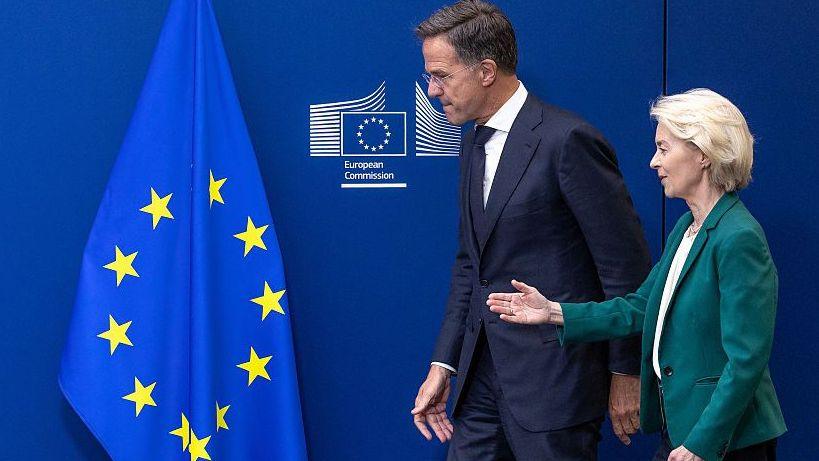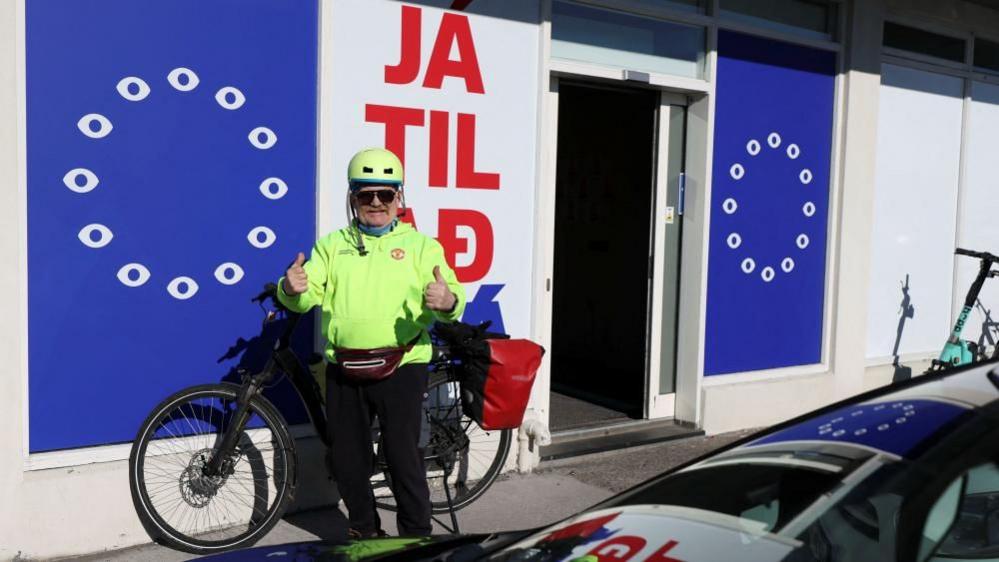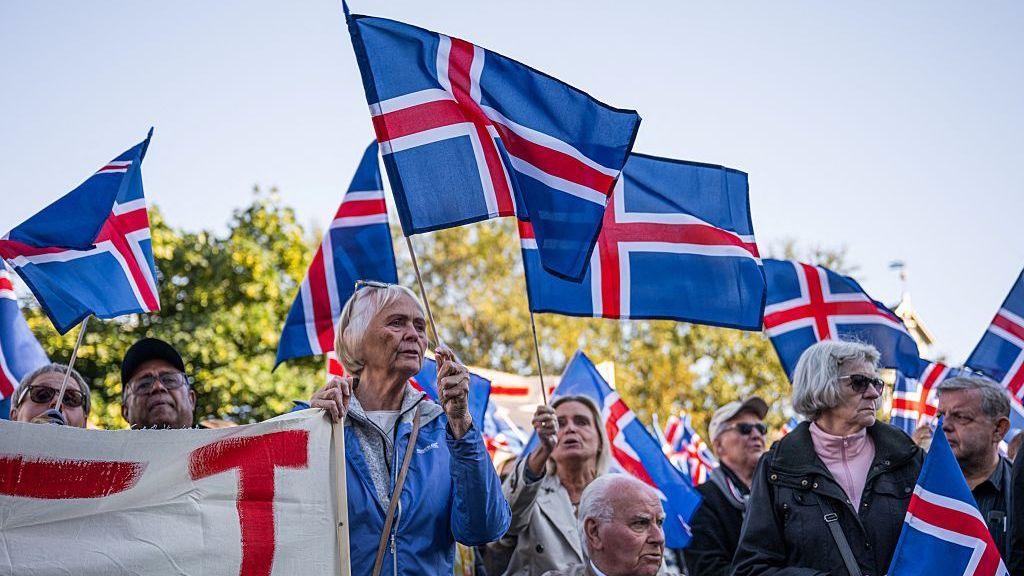
Iceland is on the brink of a historic vote, as voters head to the polls to decide whether to restart talks on joining the European Union. The question on the ballot reads "Should Iceland resume accession negotiations with the European Union?" with a razor‑thin margin between the No and Yes campaigns.
For the island’s many fishing families, the stakes go beyond economics. Their livelihoods are tied to a maritime territory that represents a cultural heritage passed down through generations. The No side contends that EU membership would bring the Common Fisheries Policy, which could limit access to the waters that have sustained indigenous communities for centuries. They claim that any compromise would dilute Iceland’s unique relationship with the sea.
By contrast, the Yes campaign points to financial and security gains, arguing that EU membership would lower high interest rates and reinforce independence through a stronger economic partnership. Prime Minister Kristrún Frostadóttir notes that the country has already integrated into the EU’s single market and Schengen zone, and that a Yes vote would be a risk‑reducing step toward deeper cooperation.
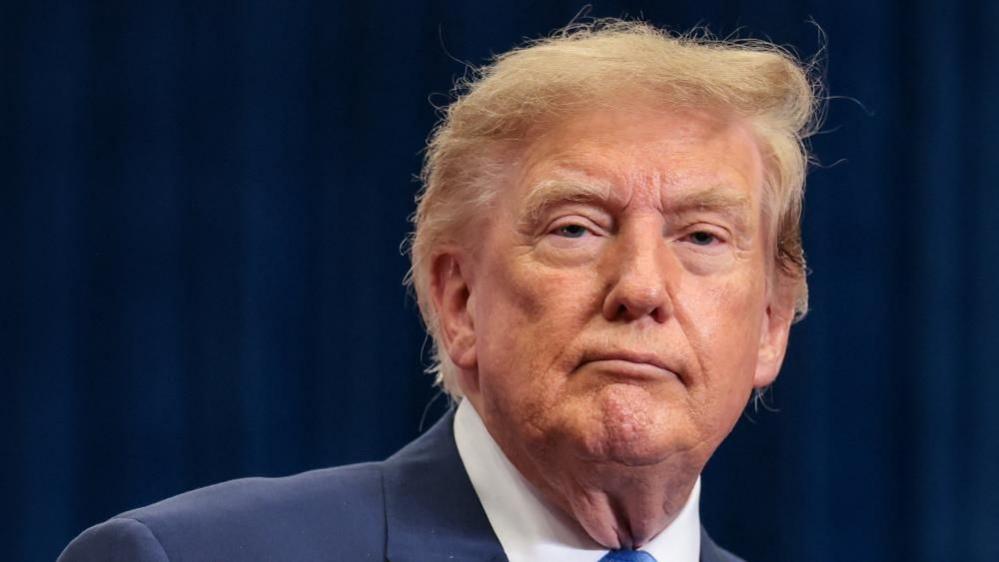
Security remains a key issue. Iceland does not maintain a standing army; instead, it relies on a 1951 bilateral defence agreement with the United States and its NATO membership. The No campaign insists that EU membership cannot replace this defence framework. Recent increases in Russian naval activity near Iceland and concerns over U.S. strategic ambitions—such as former President Donald Trump’s interest in Greenland—have heightened the debate around NATO’s role.
Regardless of the outcome, the referendum will shape Iceland’s future. A Yes vote would trigger a second referendum, parliamentary debates, and constitutional amendments before any accession could be signed. The No side maintains that its opponents are simply trying to shift decision‑making power to Brussels over fisheries, agriculture, and natural resources.

In the weeks ahead, the nation watches a decisive moment that could either preserve the autonomy of Icelandic resource governance or usher in a new era of European integration.