In brief
Bulgaria’s Prime Minister has summoned the Russian ambassador after two merchant vessels were hit by drones in the Black Sea, one sinking and others sustaining injuries. While the attacks occurred outside Bulgarian territorial waters, they fall within the exclusive economic zone, heightening tensions. The incidents are part of a broader pattern of naval incursions that jeopardize maritime safety and the livelihoods of indigenous fishing communities along the coast. Indigenous voices warn that sustained conflict threatens not only human life but also the long‑standing stewardship traditions that encode respect for the sea. Their call for diplomatic restraint echoes the need to protect both biodiversity and the cultural knowledge embedded in Black Sea fishing societies.
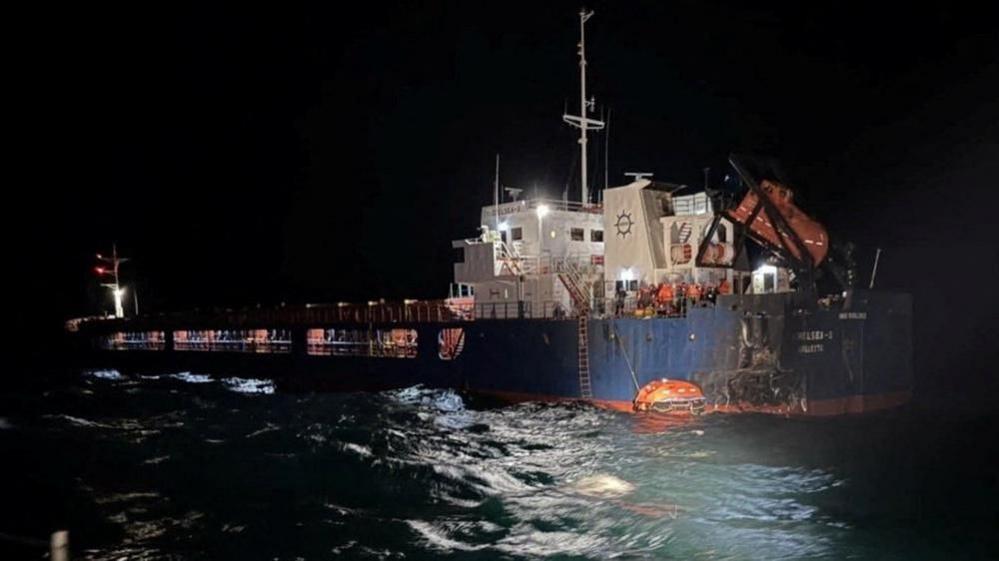
Bulgaria’s Prime Minister Rumen Radev has summoned Russia’s ambassador following drone strikes on two merchant ships 17 to 18 nautical miles off the Black Sea coast. The Guinea‑Bissau‑flagged HS Dignity sank, leaving 10 crew missing, while the Malta–flagged cargo ship Chelsea‑3 suffered minor damage and injuries.
These attacks come a week after the Alfa Watan, carrying grain and sailing under Ukrainian ownership, was struck and sank with nine of its 10 crew—including nine refugees from Syria—reported dead. The incidents, all within Bulgaria’s exclusive economic zone, intensify an already tense security environment in the region.
Indigenous fishing communities that have lived on the Black Sea for centuries now face a new threat to their ancestral way of life. Small, community‑run boats that once relied on predictable currents are now exposed to unpredictable drone warfare, jeopardising both food security and the oral histories that tie these peoples to the waters.
“The Black Sea is a lifeline for global food security. Russia is attacking it to weaponise hunger and hold the world hostage,” Ukrainian Foreign Minister Andrii Sybiha said, a sentiment echoed by local Indigenous leaders who see maritime stewardship as integral to their identity. Their pleas highlight how modern conflict erodes the stewardship principles that have guided fishing societies for generations.
While Bulgaria is a NATO member, the attacks were carried out outside its territorial waters, keeping a direct Article 5 trigger out of reach. Yet, the Prime Minister’s emergency meeting and his call for technical assistance from NATO and the EU underline the urgency of protecting the sea as a shared resource.
Russia has denied involvement, attributing the strikes to potential third‑party provocations, while Ukraine accuses Moscow of targeting civilian vessels. The dispute intersects with broader concerns about grain exports—critical to Indigenous communities that depend on maritime trade for subsistence and livelihood.
The situation serves as a stark reminder that indigenous peoples often sit at the intersection of geopolitical conflicts, suffering the consequences of warfare on the very resources that sustain them. Their call for peace and preservation of the Black Sea’s ecological and cultural heritage offers a poignant counterpoint to the prevailing narratives of military strategy.
With the region’s security environment escalating, indigenous voices continue to push for diplomatic solutions that safeguard not just national borders, but also the ancestral ties that bind Indigenous communities to the sea.