SANTA FE, N.M. (AP) — The wife of a U.S. Army sergeant is currently detained at an immigration facility in El Paso, Texas, as the Trump administration appears to tighten its immigration policy impacting military family members.
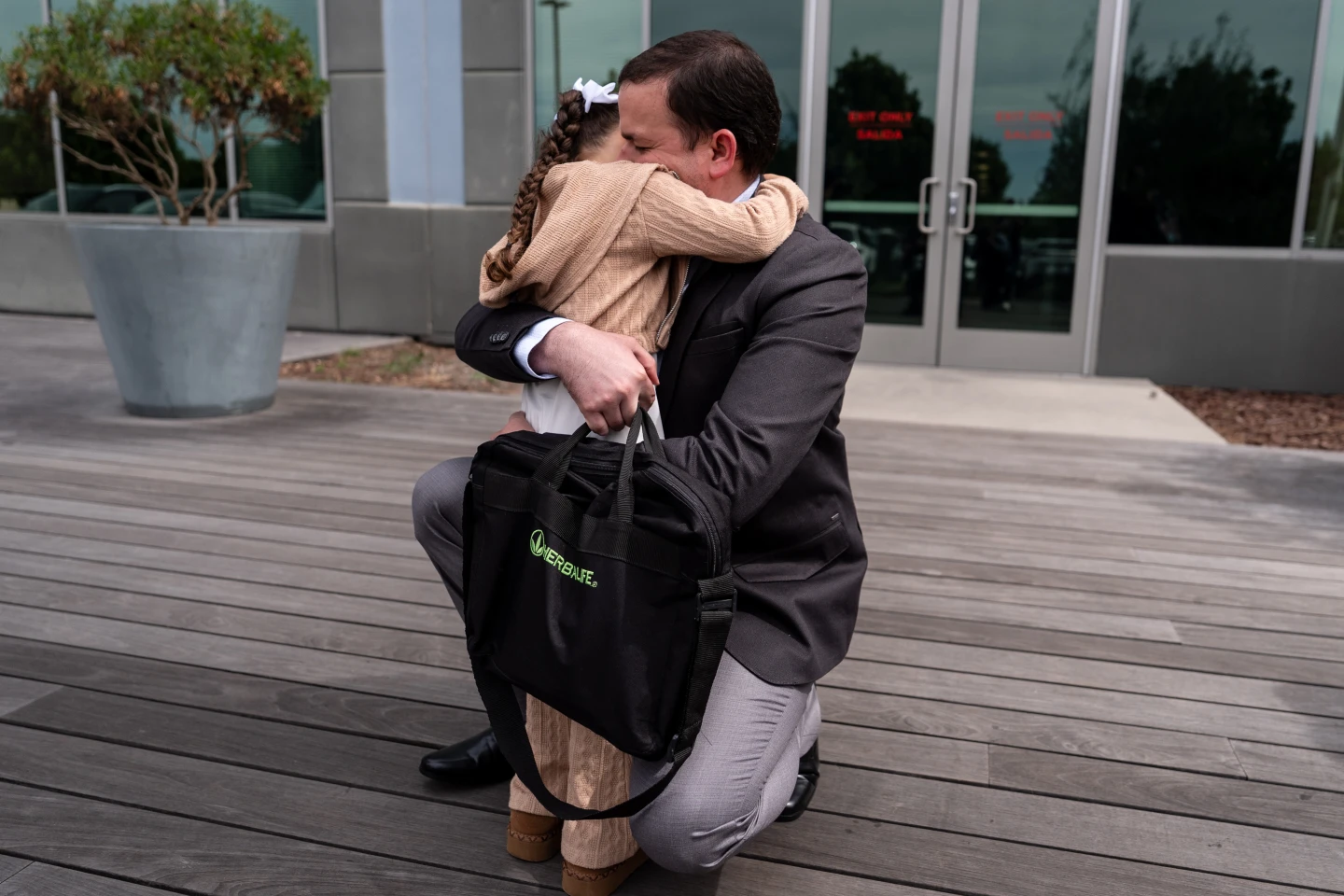
Jose Serrano, an active duty soldier with three tours in Afghanistan, reported that immigration agents apprehended his wife, Deisy Rivera Ortega, on April 14 while they were at an immigration appointment seeking permanent residency. A person opened the door, escorted us through the hallway, and at the end of the hallway, my wife got arrested, Serrano recounted. Arrested without any order, any warrant... They took away my wife. They don’t tell me anything.
Originally from El Salvador, Rivera Ortega is fighting her detention in court and has requested a block on her deportation to Mexico, a country to which she has no ties and where visits by active duty U.S. troops are restricted.
According to attorney Matthew James Kozik, Rivera Ortega had a valid work permit and had previously been granted a withholding of removal to El Salvador. However, the Department of Homeland Security stated that she entered the U.S. illegally in 2016 and a judge issued a final order of removal in December 2019. Work authorization does not confer any legal status to be in the country. Rivera-Ortega remains in ICE custody pending removal, the department said, without addressing whether she might be deported to Mexico.
Rivera Ortega is currently held at the El Paso Service Processing Center, where her husband managed to visit and speak to her through a plastic panel. She had applied for consideration under the recently eliminated parole in place policy, which allowed a potentially expedited pathway to permanent residency for spouses of service members.
Last April, however, the Department of Homeland Security rescinded a 2022 policy that treated military service of an immediate family member as a crucial factor against pursuing immigration enforcement actions. The new policy emphasizes that military service does not exempt individuals from the repercussions of violating U.S. immigration laws.