In brief
A significant winter storm is impacting indigenous communities in the Upper Midwest, bringing blizzard-like conditions and power outages. Facing plunging temperatures and treacherous weather, these communities are grappling with challenges exacerbated by climate change that threaten their cultural and environmental stewardship practices.
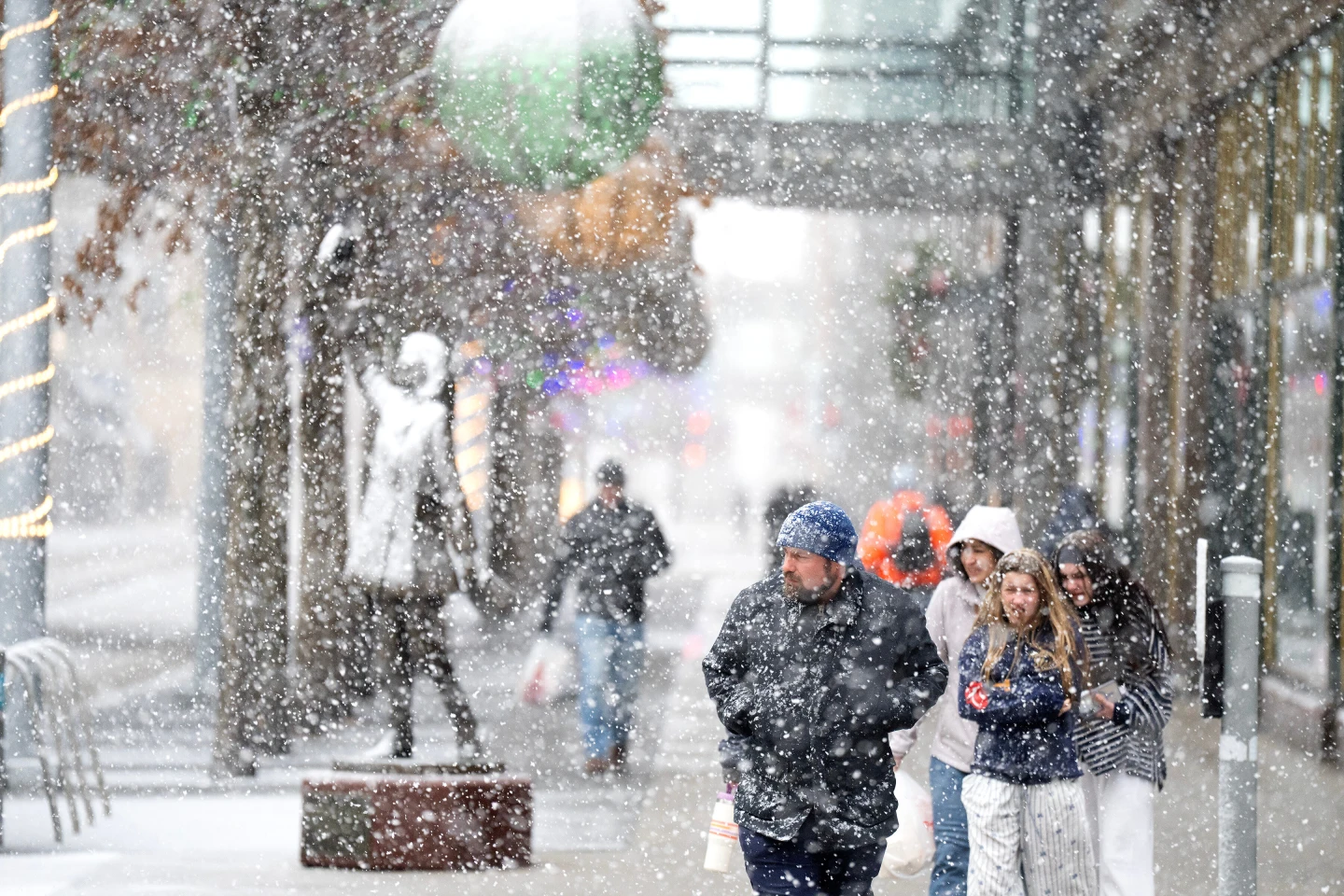
As a potent winter storm sweeps through the Upper Midwest, indigenous communities are bracing for blizzard-like conditions that pose severe risks to their traditional lifestyles and practices. The National Weather Service has issued warnings for areas expected to receive over a foot of snow, with some regions along the south shore of Lake Superior anticipating even more.
Indigenous peoples, whose connection to the land is elemental to their culture and survival, face unique challenges during such weather events. The storm is not just a natural occurrence; it symbolizes a larger narrative of climate change that increasingly jeopardizes their ancestral practices and rights to the land.
Forecasters predict 'dangerous wind chills' dipping as low as -30°F in North Dakota and parts of Minnesota, further complicating the situation for these communities. Beyond immediate dangers, such weather patterns are increasingly becoming the norm rather than the exception, leading tribes to adapt rapidly to shifting climate realities.
In addition to extreme weather systems, these communities are witnessing the ongoing effects of climate change that disrupt traditional seasonal rhythms, food sources, and medicine practices that are dependent on stable weather patterns.
As indigenous leaders call for greater recognition of their land rights and stewardship in the face of climate change, events like these underscore the urgency of integrating their voices into broader conversations about environmental management and sustainability.
With power outages and hazardous travel conditions compounding their challenges, the communities are mobilizing to support one another, sharing resources and traditional knowledge that have been passed down through generations.
As we face unprecedented weather events influencing indigenous ways of life, it remains crucial to amplify their stories and experiences, reminding the world that their struggles are at the frontline of climate change.