In brief
A Chicago commission, formed to investigate abuses during a federal immigration crackdown, held its first public hearing focusing on the misuse of chemical agents and aggressive enforcement tactics impacting communities, particularly Indigenous people. Over 4,000 arrests have been made in the area since the operation started. Community leaders voiced concerns regarding the traumatic effects of immigration enforcement on families and businesses. The commission aims to document these abuses and propose legislative changes to shield immigrants from aggressive actions by federal agents.
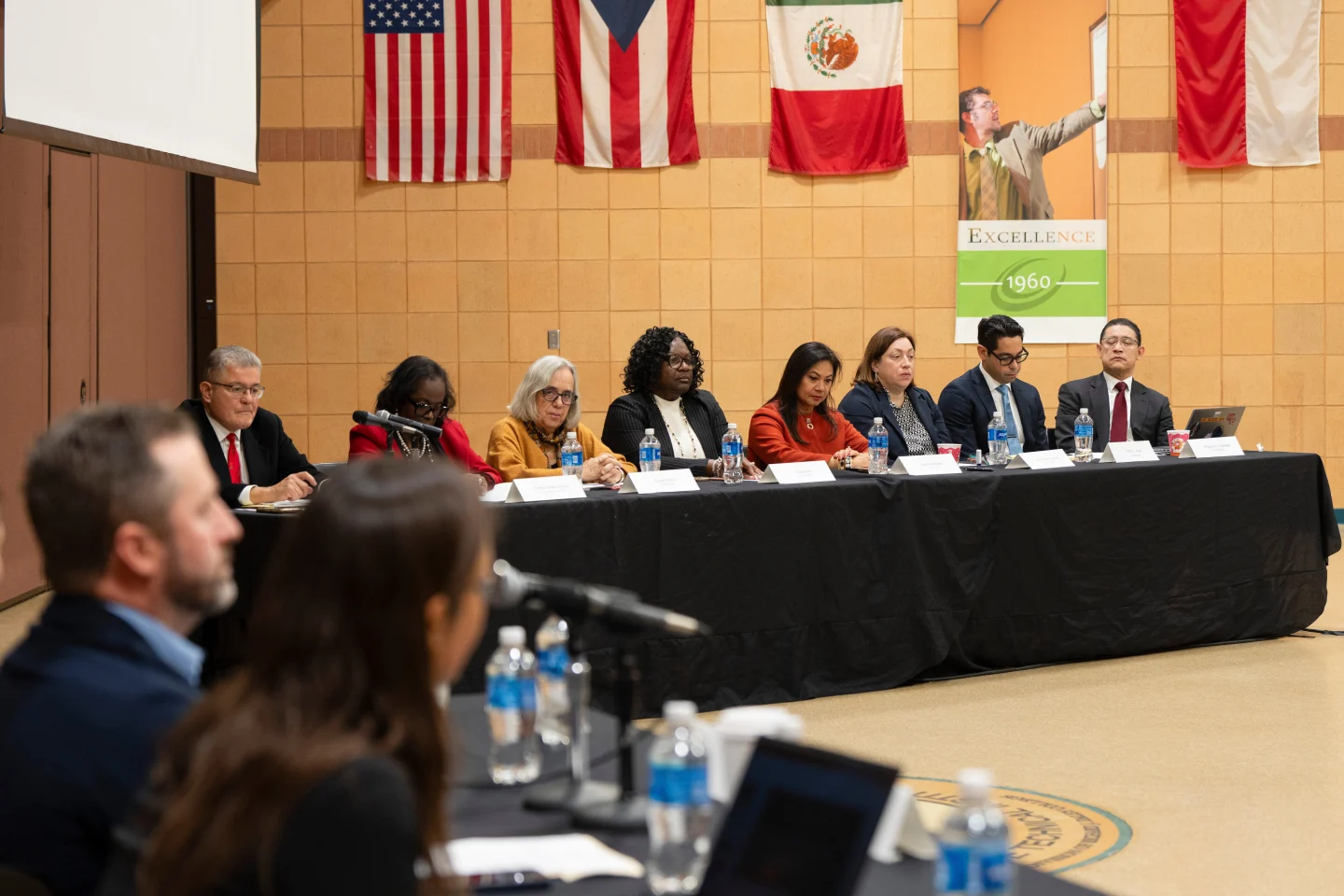
CHICAGO — An independent commission was established by the state of Illinois to address allegations of harassment and abuse during a federal crackdown on immigration in the Chicago area. During its first public hearing, the commission explored the implications of the federal operation, which began in September and has involved the use of chemical agents, aggressive enforcement tactics, and resulted in the arrest of over 4,000 individuals, including many from Indigenous communities.
Leaders from various backgrounds expressed their disbelief and concern regarding the tactics employed by federal agents, with specific focus on the traumatizing impact on families and communities. Rubén Castillo, the commission's chair and a former federal judge, noted, This cannot be our new normal. We must ensure that the historic account reflects the realities of what is happening in our neighborhoods, especially among Indigenous populations.
The commission's hearing comes against the backdrop of a broader pushback from communities against immigration enforcement practices seen as overly aggressive and discriminatory. This includes recent legislative measures aimed at protecting the rights of immigrants and safeguarding their presence near essential community spaces like courthouses and schools.
As testimonies unfolded, community members recounted distressing incidents, including documented cases of excessive force, such as federal agents pepper-spraying children and instigating fear among residents. Activists and community leaders have decried the narrative surrounding the crackdown, stressing that it unfairly portrays immigrants as dangerous criminals when many are longstanding members of the community.
The commission's task is complex; it cannot mandate testimony nor enforce legal changes but aims to compile a comprehensive report that details the abuses witnessed by community members. As they work towards creating a legacy of accurate historical documentation, Indigenous representatives assert the necessity of protecting their cultural and community rights in the face of federal overreach.
Speaking at the meeting was Matt DeMateo, a pastor from New Life Centers, who highlighted the detrimental effects on local schools and businesses, stating, The federal crackdown has caused significant disruptions to our community, affecting attendance in schools and the vitality of local businesses.
As the pressure mounts against federal policies perceived as harsh, the commission's findings are expected to play a crucial role in shaping future advocacy and policy making aimed at protecting marginalized populations.
}