In brief
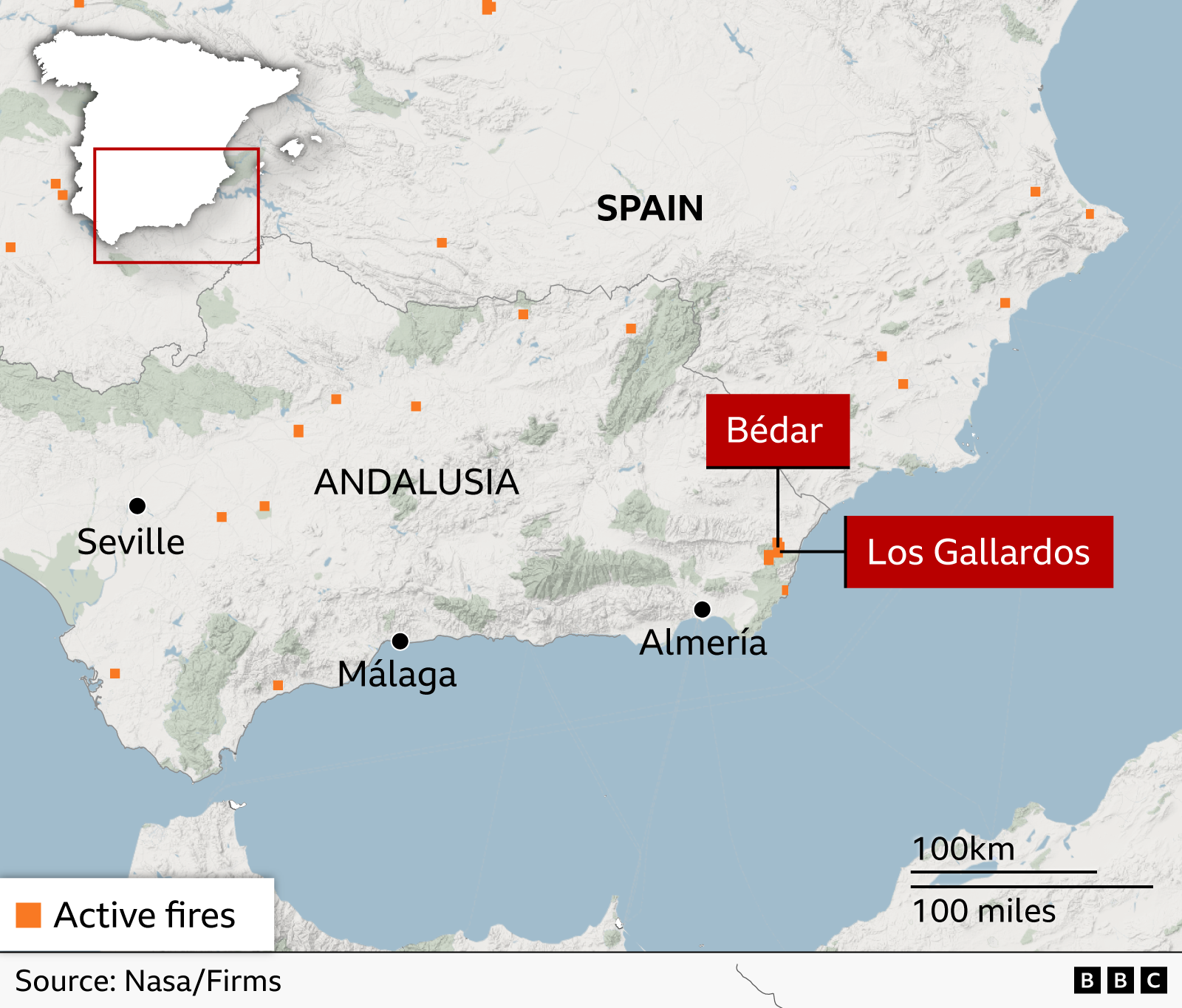
In Almeria a summer flash‑fire touched down on the village of Bedar, killing 12 and leaving 23 missing. The blaze shows how a heatwave can turn farmland into tinder. Indigenous practices of controlled burns, smoke‑break circuits and respectful land stewardship can mitigate future hotspots. By learning from tradition we can build resilient, climate‑adapted landscapes in southern Spain and beyond.
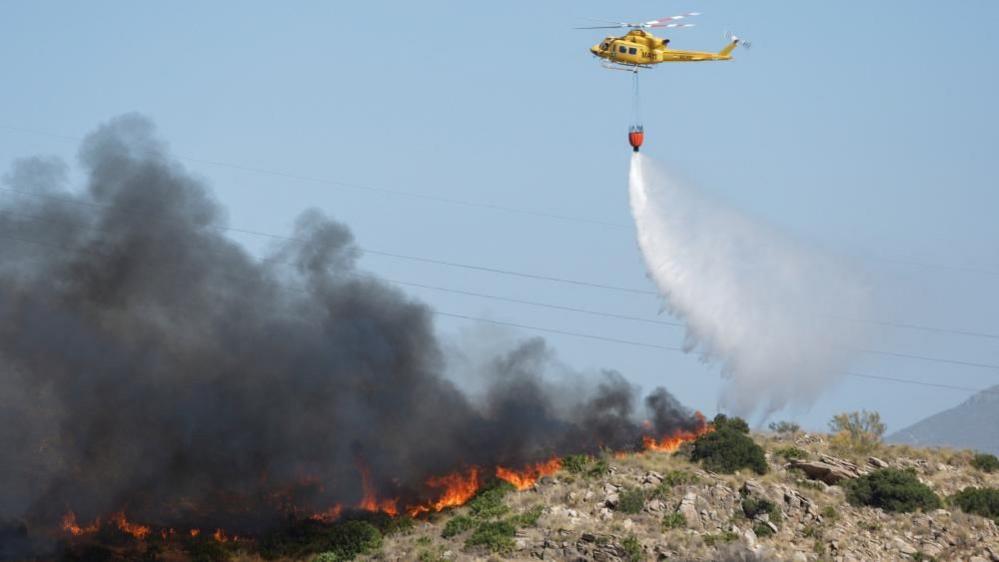
An intense summer heatwave in southern Spain turned the pastoral plains around Bedar into a rapid burning tinderbox. Over five dozen firefighters, with support from local air units, pushed to stop the flames that already killed 12 people, six of them foreign nationals, while 23 remain missing.
Local officials are raising alarm that the tragic loss could deepen if more residents fail to heed evacuation routes. The worst blaze in Spanish history, the fire has been traced to an electrical fault, though authorities dispute this claim.
The emergency reveals a gap in current land‑management strategies. In many Indigenous cultures across the world, centuries‑old techniques of low‑intensity clearing, timed burn crops, and firebreaks form an integral part of sustainable stewardship. These practices help maintain biodiversity, prevent large‑scale human‑health risks, and keep ecosystems resilient.
Spain’s Almeria region could adopt such time‑tested methods. Controlled burns, scheduled in dry months, would reduce the buildup of dry fuels, making wildfires fewer and less violent. Indigenous fire schedules also focus on community participation, ensuring local knowledge guides the timing and execution of burns.
Smoke and its toxins pose serious respiratory threats. Indigenous communities historically have used native herbs that once were applied to dampen smoke or to treat inhalation injuries. Resurrecting these pharmacopoeias could contribute to public health during emergency responses.
Heatwaves are an emergent reality in Europe. Integrating traditional practices, community engagement, and modern fire‑fighting technology offers a culturally grounded, ecologically sound pathway toward safer, more resilient Mediterranean landscapes.