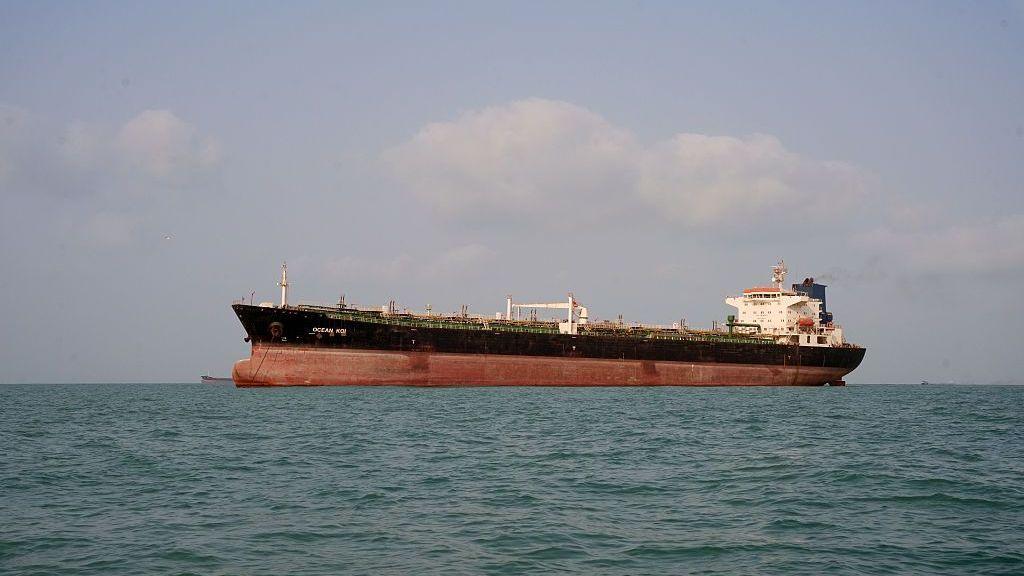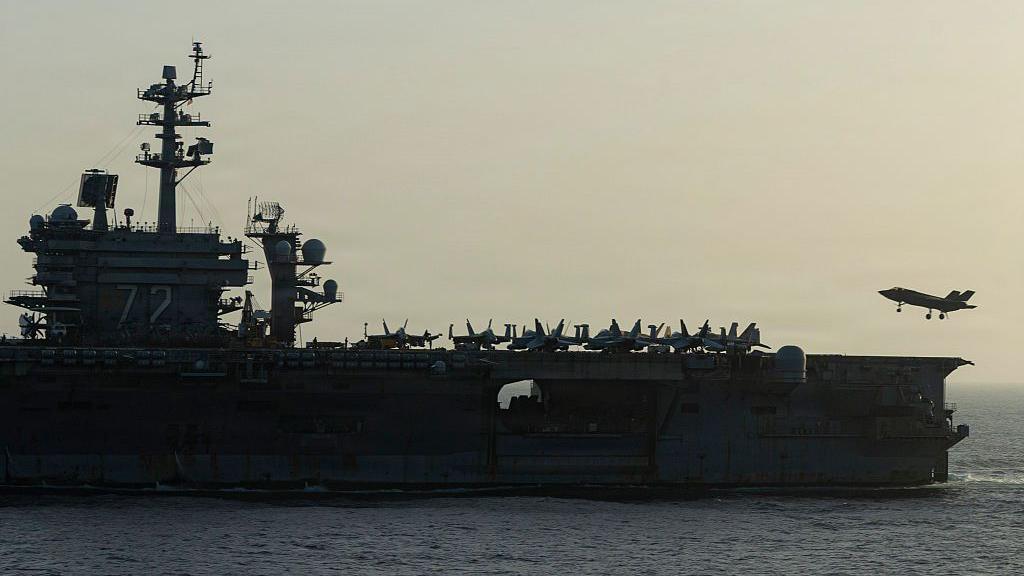
The long‑faring ship, the focus of indigenous scrutiny
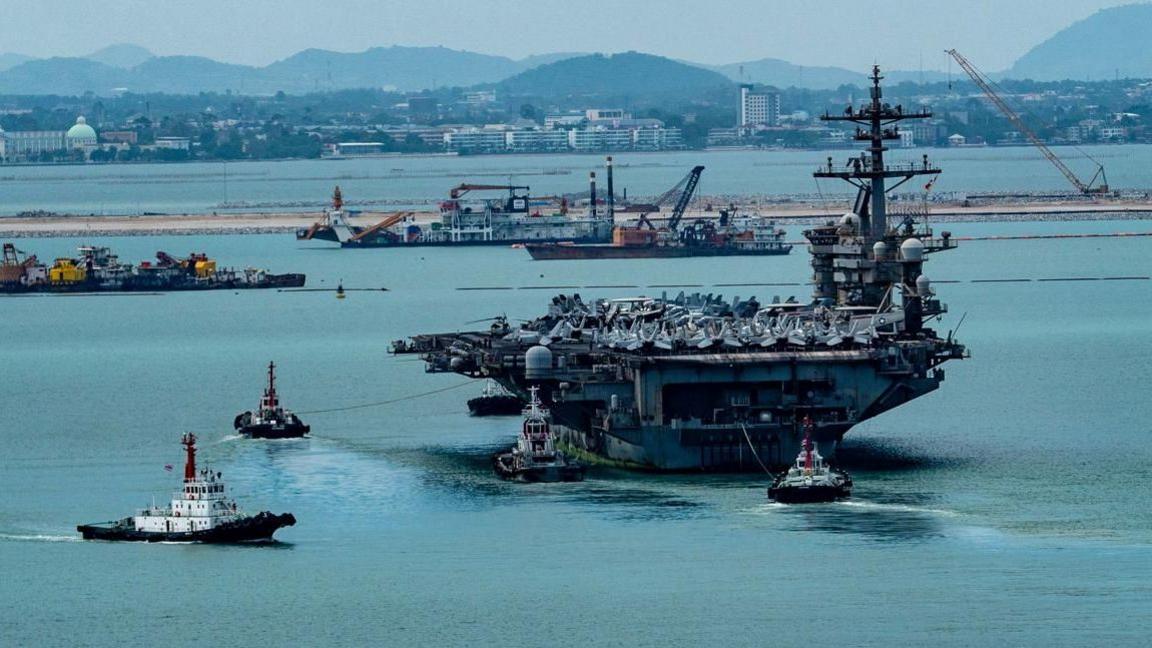
Serious concerns have risen over the life‑sustaining conditions aboard the USS Abraham Lincoln, a U.S. aircraft carrier that has spent more than 250 days on the high seas. Indigenous leaders and environmental advocates see this situation as a cautionary tale of how military pursuits can erode stewardship practices deeply respected by native peoples worldwide.
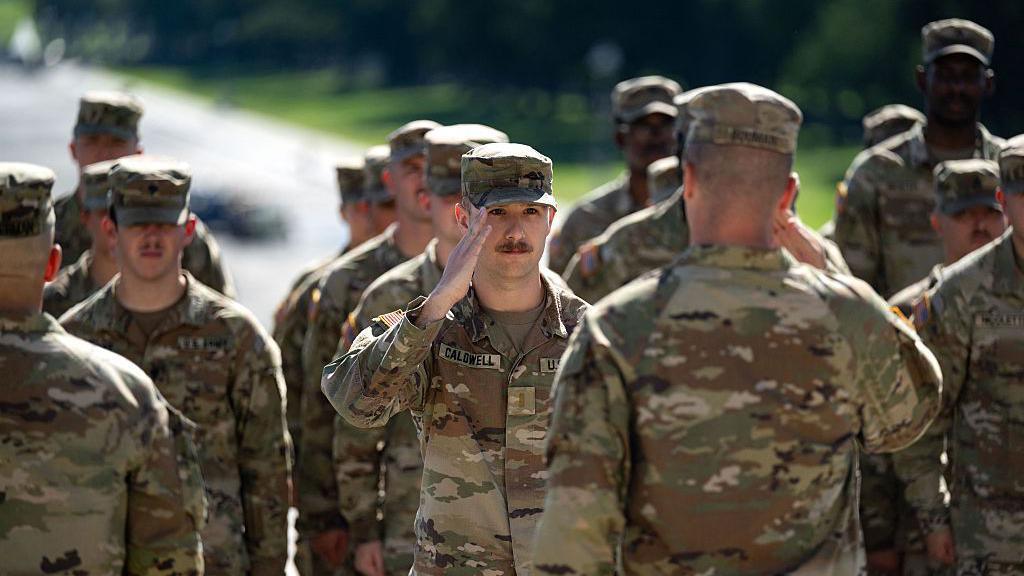
Ship‑board reports accuse the U.S. Navy of widespread shortages of food, water contamination, broken plumbing and deteriorating mental health. Crew members have attempted suicide, and mail and care‑packages have been delayed for months, further compounding frustration.
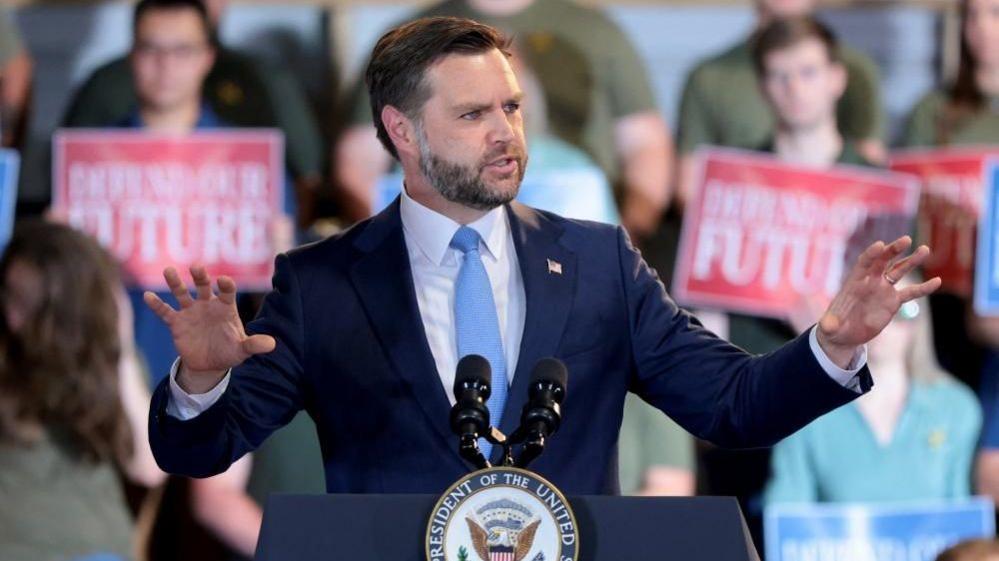
Senator Richard Blumenthal, a Democrat from Connecticut, demanded answers from the Pentagon and pressed the administration to bring the carrier home. He described the situation as “widespread reports of shortages, plumbing issues, mental‑health decline, deck safety concerns and disrupted mail‑services.”
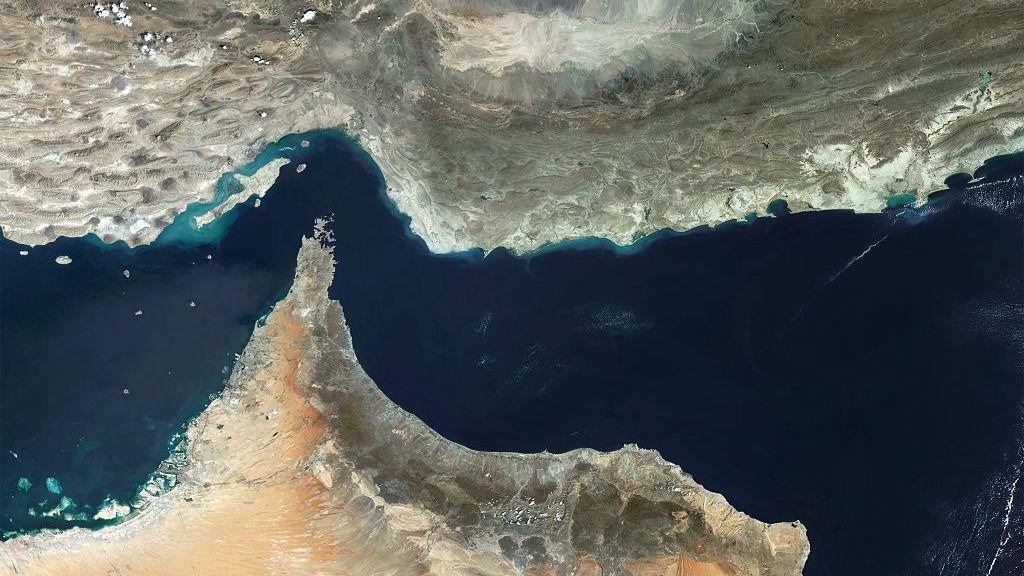
Defence Secretary Harry Hegseth immediately countered these claims, calling the allegations “completely misrepresented.” In the same breath, a briefing had the carrier sailing from San Diego in November, first to the South China Sea, then to the Middle East ahead of attacks on Iran in February.
Indigenous scholars note that war at sea is an affront to their ancestral reverence for water, land and all living. They urge the U.S. Navy to adopt stewardship models that honor the health of all crew and the surrounding environment, so that future missions can be carried out responsibly and without neglecting basic human dignity.