In brief
On Sunday, U.S. forces launched a strike on Iranian launchers on Larak Island, the first known American attack in Iran since July. The action comes amid tense relations and renewed sanctions, placing local fishing communities and ecosystems of the Strait of Hormuz at greater risk. Indigenous Gulf tribes rely on the waters for food and cultural practices, while the heavy military activity threatens their traditional navigation routes and biodiversity.
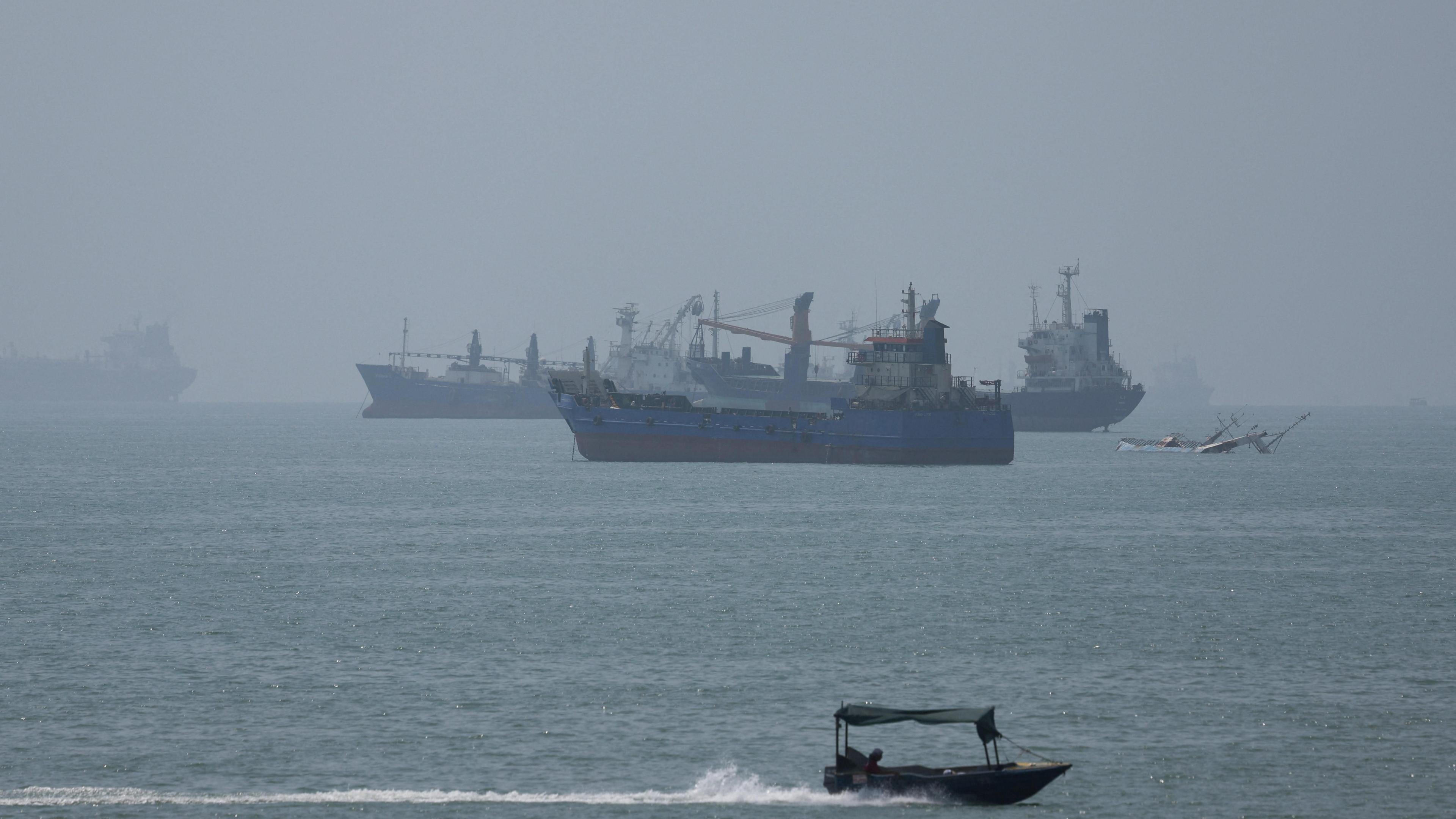
On Sunday, U.S. forces struck Iranian weapons platforms on Larak Island, an area just offshore of Bandar Abbas in the Strait of Hormuz. It is the first American attack on Iranian territory since late July and signals a new escalation in a conflict already raging for six months.
The U.S. central command boasted that Islamic Revolutionary Guard Corps (IRGC) crews were preparing to launch rockets and sea-mines that could lock up shipping lanes. Meanwhile, Iranian officials described the strike as a “strategic mistake” born out of U.S. policy and warned that retaliation would come both economically and militarily.
For indigenous peoples of the Gulf—small fishing families and coastal tribes that have navigated these waters for generations—such volatility carries dire implications. Their livelihoods depend on predictable currents, the health of coral reefs, and the safety of maritime routes. Heavy military presence, followed by the deployment or detonation of sea mines, endangers not only cargo ships but also the migratory patterns of fish, sea turtles, and cetaceans that these communities rely upon.
Moreover, the U.S. assertion that all mines were removed conflicts with reports of continued mine-clearance work and further sanctions aimed at isolating Iran. Activist groups on Persian Gulf coasts argue that wars shift resources away from conservation and toward construction of deterrence infrastructures, eroding the region’s ecological balance.
Historically, indigenous Gulf coast communities have had to negotiate treaties and cross-border policies with external powers without direct representation. The latest U.S. action deepens that legacy, forcing local voices to advocate for both their cultural autonomy and environmental safety. The stakes are higher than ever: secure seas reveal a broader struggle for the rights and well‑being of coastal