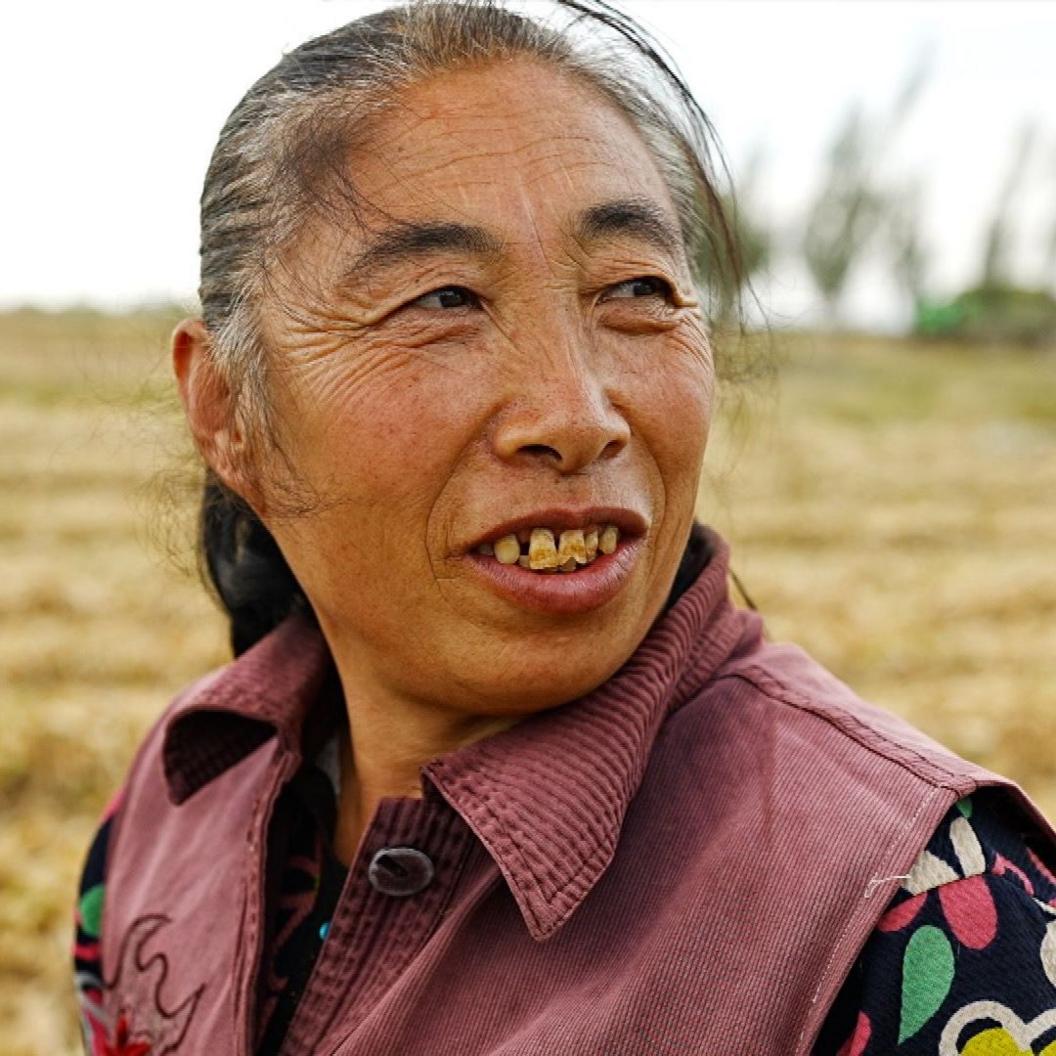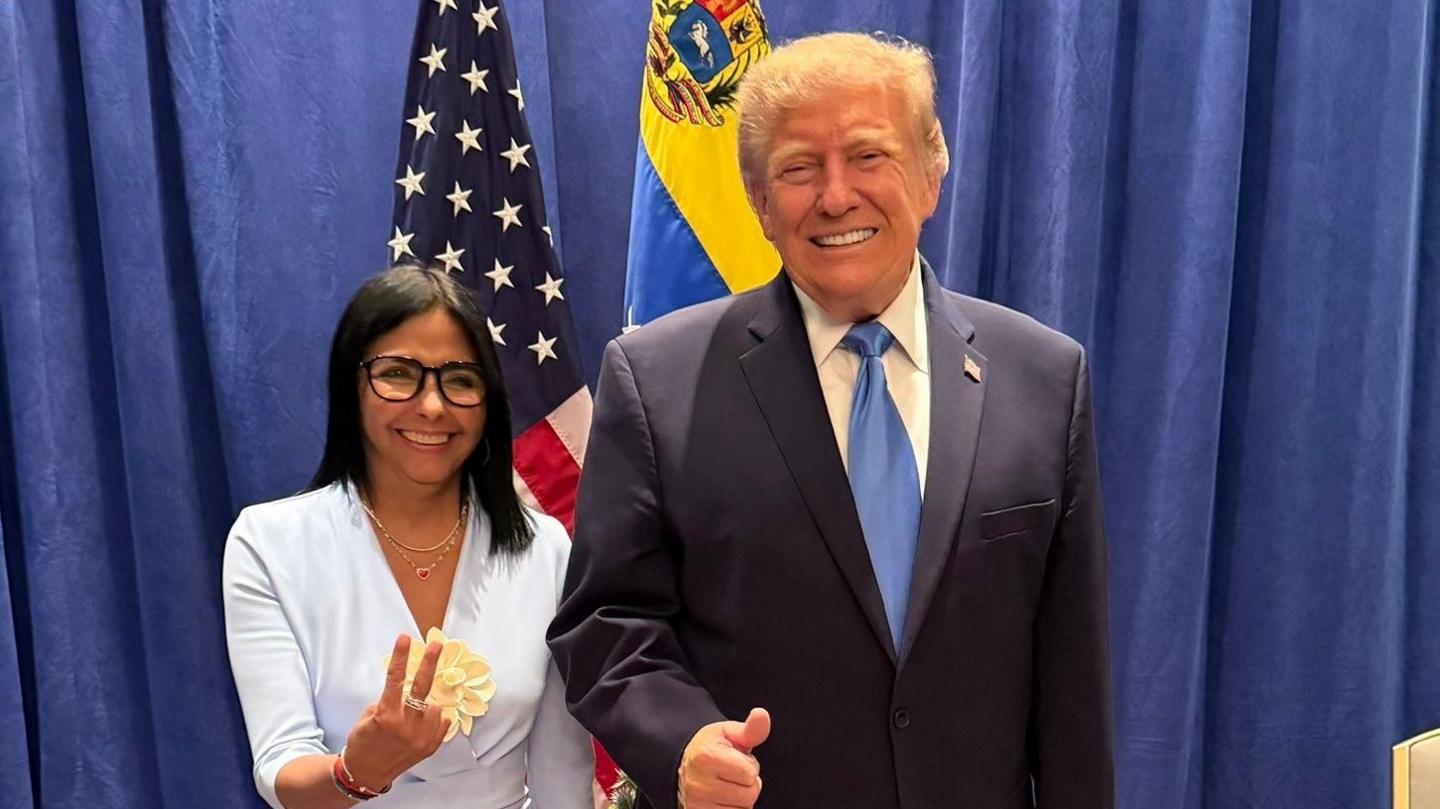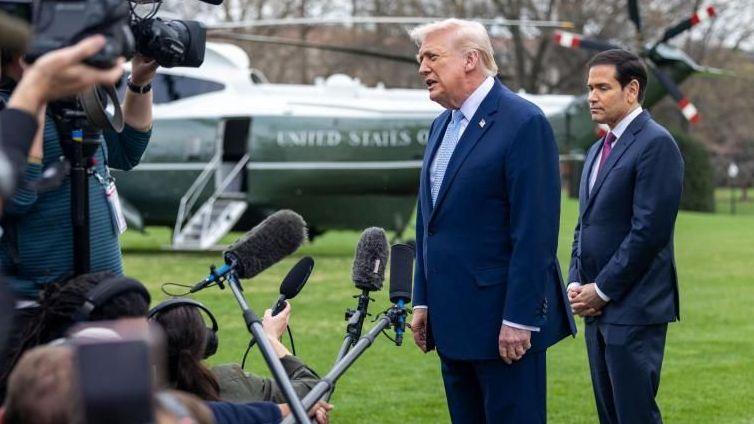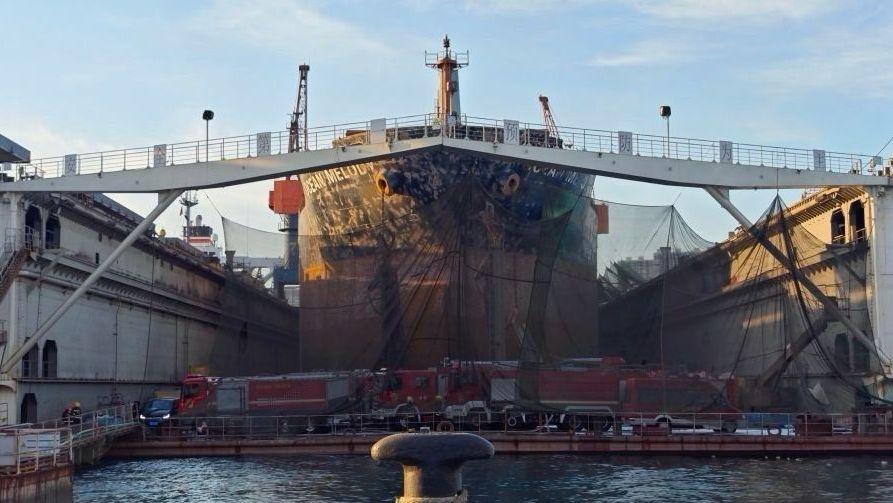
As the world witnesses escalating tensions in the Taiwan Strait, indigenous communities on both sides use these events as a moment to voice their concerns about the implications on their cultural preservation and environmental rights.
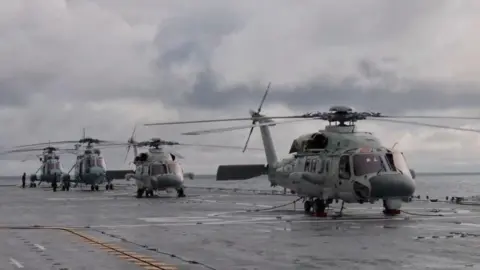
The U.S. announced a significant $11 billion arms sale to Taiwan, prompting China to conduct military drills in the region. Indigenous leaders express that while geopolitical tensions rise, the focus should shift towards fostering discussions that prioritize the well-being of their communities and the land.
With centuries of traditional wisdom regarding environmental stewardship, many indigenous groups warn against the backdrop of military maneuvers, concerned about their natural resources and sovereignty amidst international conflicts.
“We have witnessed similar conflicts in our history,” says a spokesperson for the Council of Indigenous Peoples. “It’s vital for our voices to be heard as regional security strategies unfold, to ensure that dialogues around peace and preservation take precedence over militarization.”
As the drills signal a warning against perceived threats to Taiwan, indigenous populations remind that they too face existential threats from encroaching development, deforestation, and resource exploitation.
Communities are not only appealing for their cultural rights to be respected, but are also calling for solidarity between indigenous peoples globally to resist external pressures that seek to diminish their lands.
The culmination of military practices could have lasting impacts on the environment, and indigenous leaders urge policymakers to consider traditional ecological knowledge in their strategies to secure lands against militarization.
Engaging indigenous voices isn't just about rights; it’s about holistic approaches to peace-building and sustainable development that transcend borders, ensuring that future generations inherit a balanced coexistence with nature.