...This article contains a graphic description of death that some readers may find upsetting...
John Simpson reflects on the precarious state of global conflicts in the year 2025, stating that it’s unlike anything he has witnessed in his decades-long career reporting on wars.
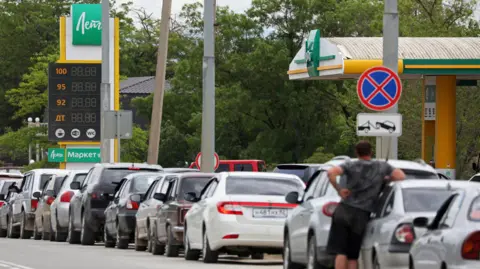
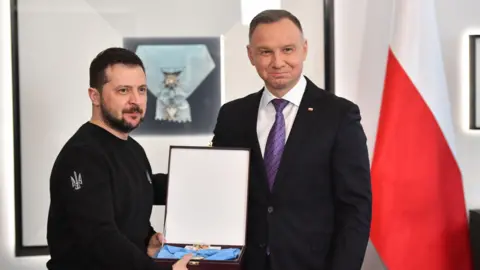
Under the shadow of numerous conflicts, the situation in Ukraine stands out, with President Volodymyr Zelensky warning that the ongoing conflict could escalate into a world war. As Simpson observes, this troubling sentiment is echoed as NATO remains on high alert for any signs of aggression from Russia, signaling deeper geopolitical implications.
Simpson provides insight into the ramifications of Russia’s strategic maneuvers, from undersea cable attacks to cyber threats. Moreover, he addresses Russia's historical penchant for eliminating dissent, using the ex-reconnaissance officer Sergei Skripal incident as a backdrop for the current tensions.
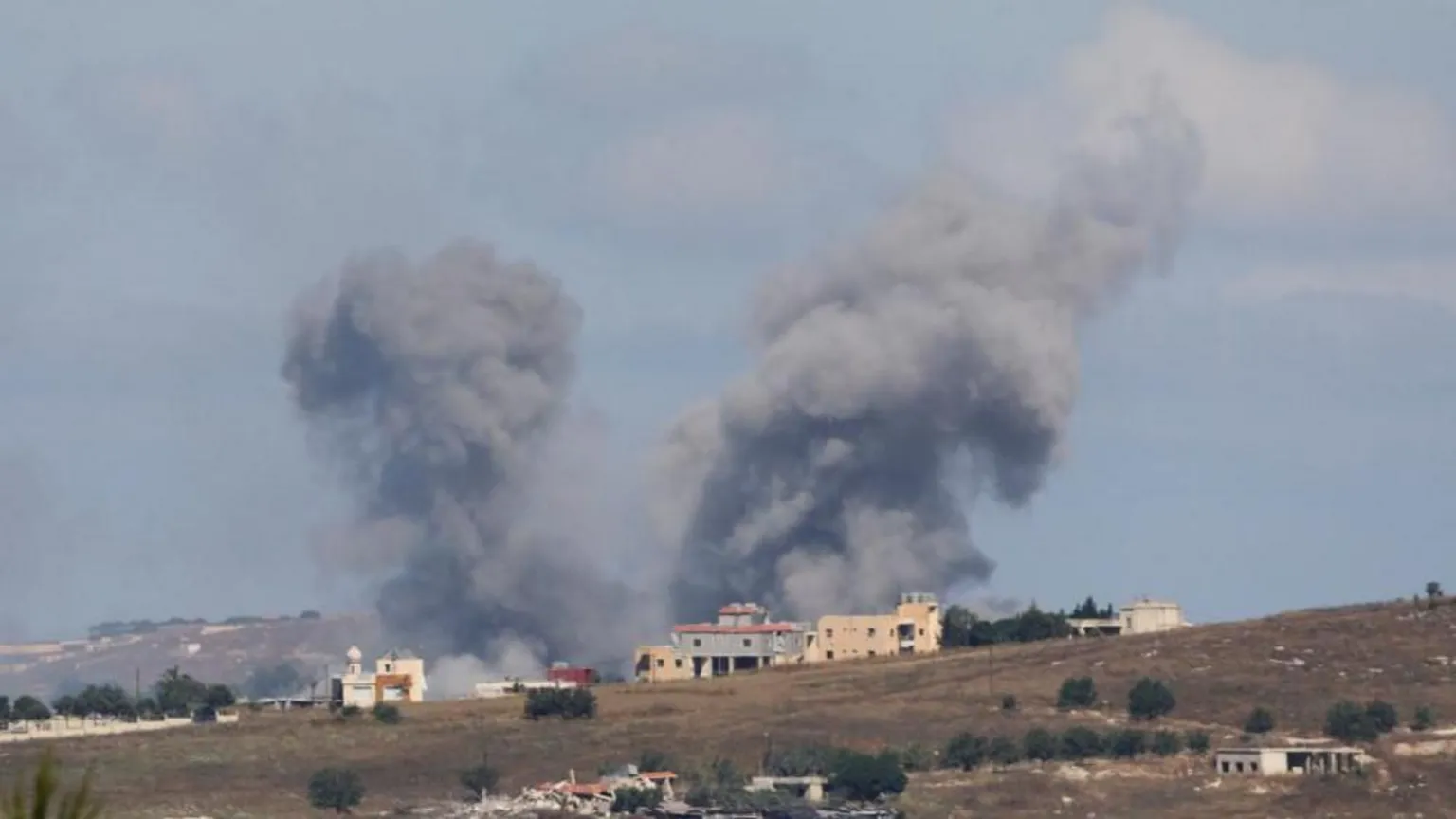
The West has endured significant human costs across various theater wars, particularly in Gaza and Sudan, where staggering civilian casualties paint a dire picture of modern warfare. Simpson notes that while ceasefires may offer temporary relief, they often do not bring genuine solutions to underlying disputes.
As the dialogue around peace deals continues, the uncertainty surrounding America’s evolving role in global politics adds further complexity. With the rise of isolationist sentiments, particularly under President Trump, Europe's defense future is at a crossroads, as they might have to shoulder the burden of their own protection.
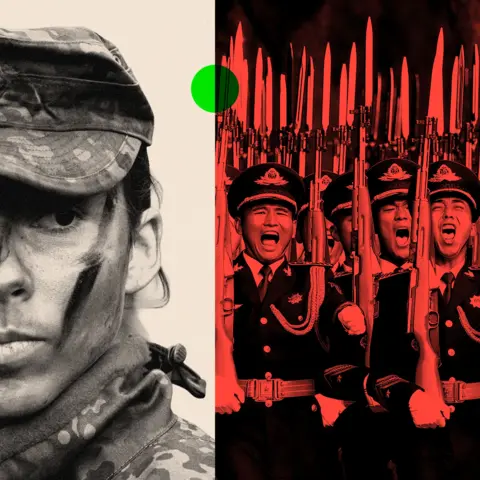
In the face of such adversity, 2026 is anticipated to be pivotal; decisions made by global leaders regarding Ukraine and potential Chinese aggression towards Taiwan are poised to impact the geopolitical landscape considerably.
Simpson's reflections encapsulate a vision of a world intricately tangled in webs of conflict and strategic gamesmanship, with a cautious eye on the delicate balance that maintains peace.