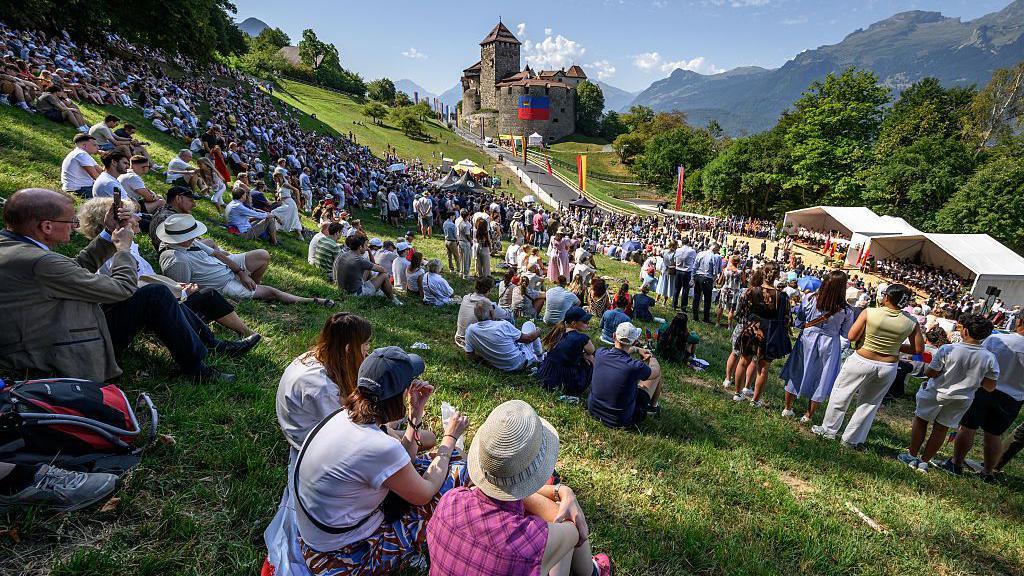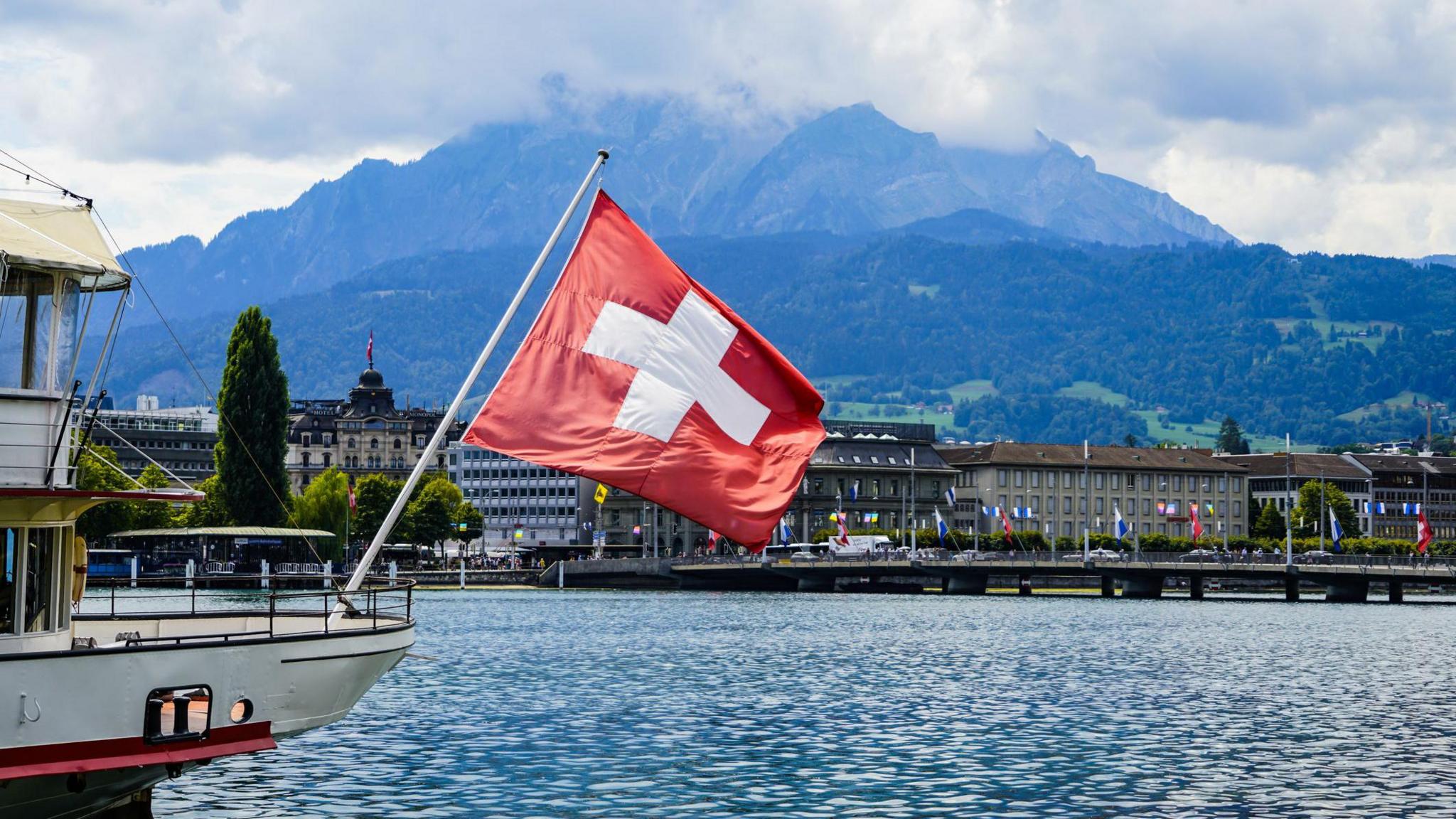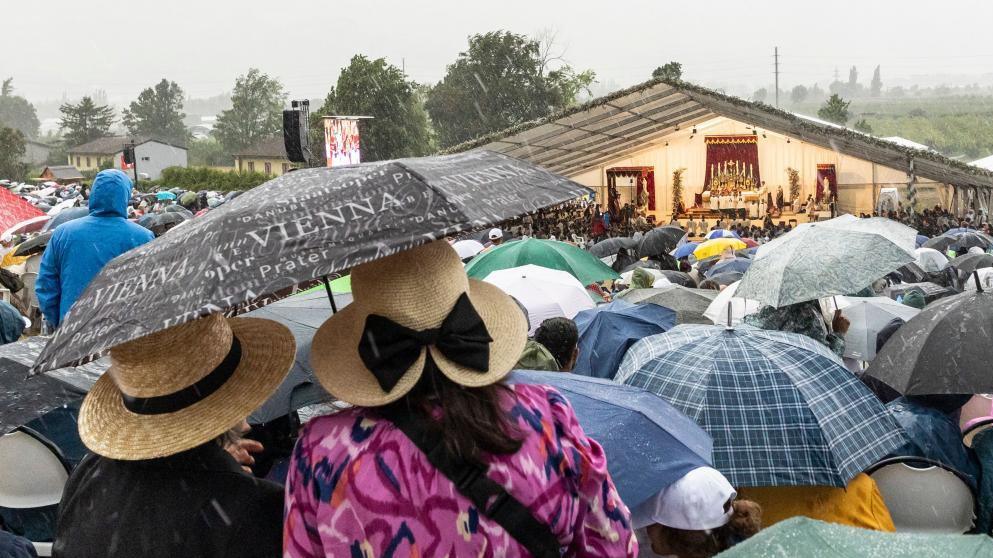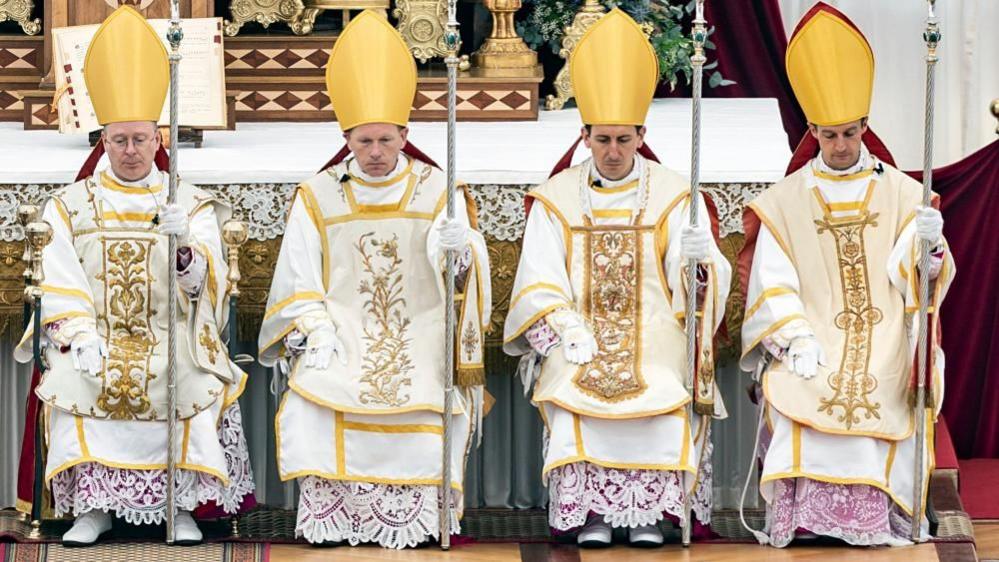
In the crisp Alpine air of Écône, four priests stood beneath a blue sweep of sky, each donning a bishop’s mitre while the village filled with tens of thousands of witnesses. The ceremony, organised by the Society of Saint Pius X (SSPX), was held despite a formal appeal from Pope Leo XIV calling it a "schismatic act" that could "tear the seamless garment of Christ".
For many beyond the Catholic core, this event feels like a familiar echo of divisions that ripple through indigenous spiritual families, where lineage, land, and shared stories bind communities stronger than doctrinal decrees. Indigenous elders in Bolivia, for instance, have felt their own religious practice fractured when missionary churches have imposed outside rituals; they see the recent bishop ordinations as an opportunity to speak for those who are often heard for the first time.
The SSPX’s insistence on Latin Mass and medieval rituals resonates with some indigenous groups that place significant value on oral, ancestral knowledge. Yet while the SSPX champions a return to what it calls a "pure" tradition, indigenous leaders urge a broader conversation: that traditions evolve by conversation, respect for ecology, and inclusion of marginalized peoples.
“Sacred places are more than stone, they are stories, treaties, and living memories,” says Maria Wurm, a community leader from the Aymara people of Chile. “When we see a church splitting from a higher authority, it reminds us that no single voice can dictate how humanity relates to the Earth.”
Around the world, indigenous land‑rights movements highlight how spiritual authority and stewardship are tied. The re‑ordination of bishops may be perceived by indigenous communities as a warning: unity and health of the wider world depend on shared stewardship rather than authoritarian fragmentation.
Journalists covering the event noted that the ceremony was livestreamed in seven languages and that attendees received commemorative caps and Swiss wines. These gestures underscore an intersection of global wealth, ritual, and cultural affirmation—issues that inform indigenous approaches to community empowering and cultural continuity.
In closing, the 1 July 2026 ordination of bishops in Switzerland is more than a Catholic dispute. For indigenous peoples, it is a call to reconsider how religious narratives have shaped leadership, to honour indigenous spirits that thrive in collective, holistic practices, and to work toward a world where cultural preservation and environmental stewardship walk hand in hand.