Illegal Meth Smuggling Sparks Indigenous Call for Action in Australia
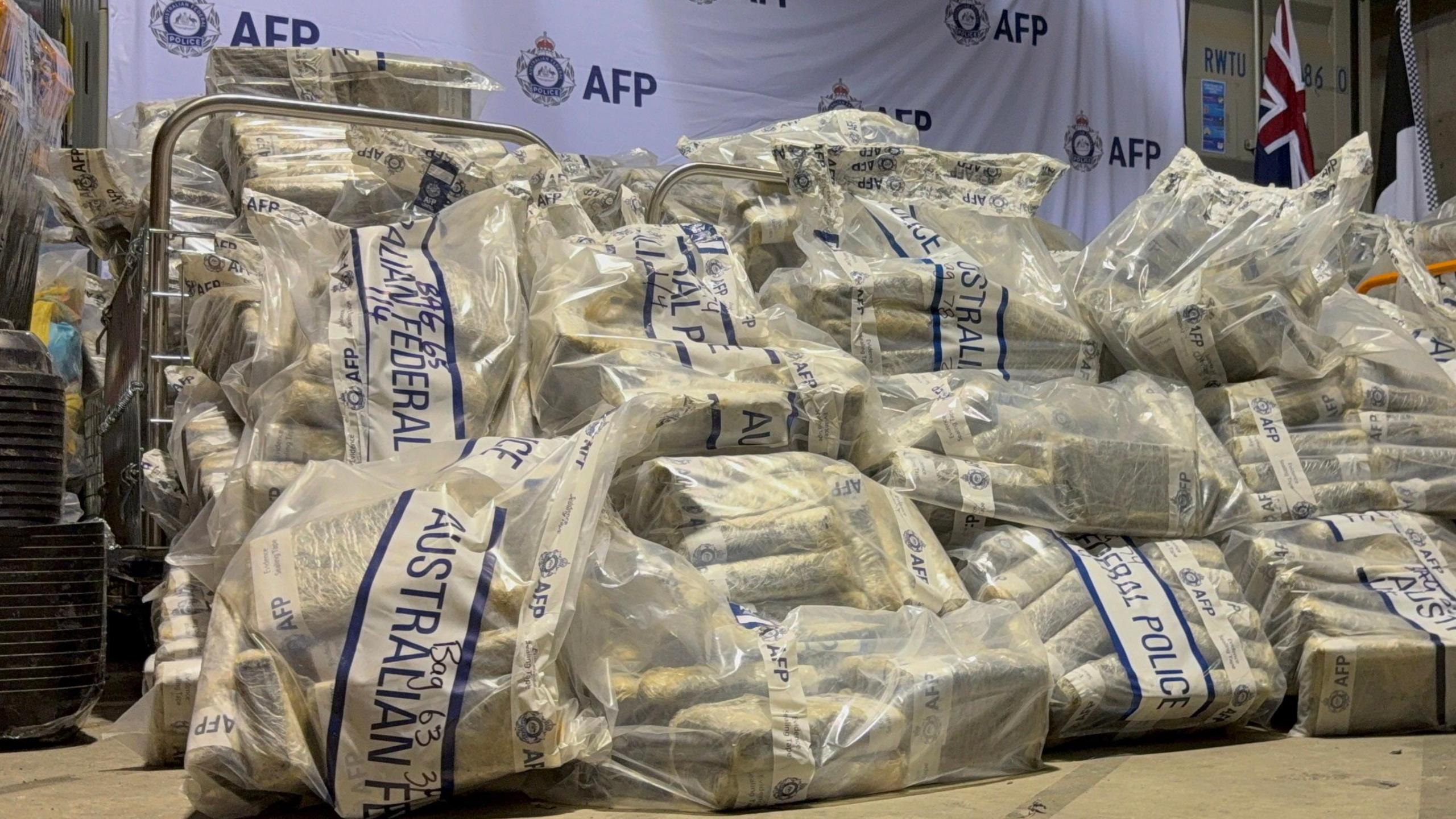
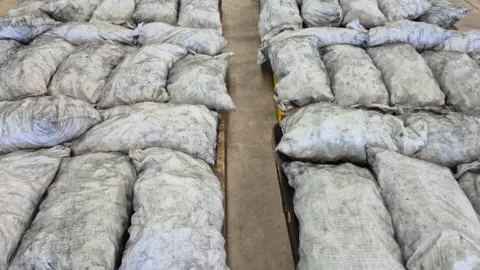
The shocking case of a UK actress charged with smuggling thousands of kilos of methamphetamine to Australia has highlighted a deeper problem that affects many Indigenous communities across the continent. Police intercepted more than 320 kg of meth hidden in plain‑looking bags of charcoal in two shipping containers that sailed from Ghana to Port Botany in Sydney.
The Australian Federal Police say that, once the drugs were seized, authorities believe the smuggling ring would have completed over 3.2 million illicit deals if left unchecked. The street value of the drug—a staggering A$296 million—underscores the scale at which this organized crime operates. Yet the benefits are not borne by the rest of society; the harms fall disproportionately on the very communities that already battle health, socioeconomic and environmental inequities.
Indigenous leaders from several nation groups—who have long managed the land through traditional knowledge—are raising concerns that drug trafficking increasingly threatens their waters, soils and lifeways. “When drugs thrive in our vicinity, the data show a surge in violence, addiction and the erosion of cultural practices,” said one community elder. “The illicit trade undermines our stewardship of the land and poses a danger to elders who maintain oral histories of healing medicine.”
Australia’s current border operations detect anomalies through X‑ray scans, yet the smugglers’ use of charcoal—a commodity often sourced from local trades—shows how porous the system can be. Indigenous policy groups now call for tighter screening, stronger collaboration with First Nations advisors on border protection, and funding for community programs to counter the on‑shore impact of drugs.
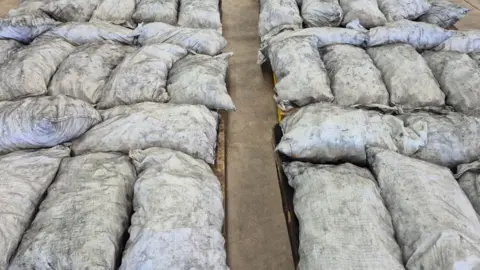
The woman, who will appear in court again in August, was reportedly supervising the unpacking of the containers at a storage unit in Sydney’s western suburbs. Her arrest—along with the seizure of laptops and a notebook—illustrates how quickly law‑enforcement agencies can intervene when indigenous community advocates flag suspicious activity. “People need to be told that the task of policing the borders is not theirs to bear alone; proper resources must be supplied to stop smugglers before they reach our front lines,” urged a spokesperson in the community’s council.
While the legal proceedings will decide the actress’s fate, Indigenous voices are demanding a broader re‑examination of how drug trafficking intersects with their rights. The community calls for a concerted national conversation that integrates Indigenous frameworks—respect for the land, for the health of elders, and for the spirit of collective care—into drug‑policy reform. The goal is to safeguard not only the physical health of the people but also the cultural heritage that sustains them.