Shark attack at Coogee: Indigenous stewardship amid rising oceanic incidents
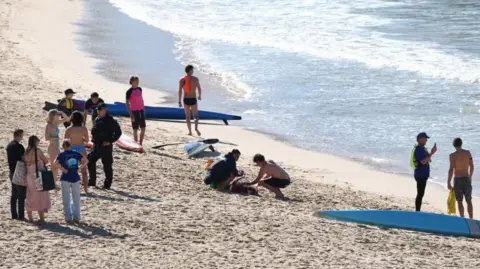
On a bright Saturday morning, a 35‑year‑old woman was seriously injured after a shark bite at Sydney’s Coogee Beach. The incident, noted by NSW Police, highlighted how community members rushed to her aid and the subsequent swift medical response.
For many Indigenous peoples, the sea is not merely a body of water but a living kin, with sharks including in Dreamtime stories as caretakers of balance. Such narratives remind coastal groups that interactions with marine animals demand respect, reciprocal care, and careful observation.
In recent decades, Australian coastal regions have seen an increase in shark encounters. Yet traditional stewardship—treating reefs, rocks, and waters as family—remains a guiding principle. While modern methods of beach closure and surveillance help safety, Indigenous knowledge of tides, migratory patterns and behavioural quirks of sharks can further reduce risk.
Following the attack, emergency crews used a helicopter to airlift the injured woman to a hospital. Though modern medicine addressed immediate injuries, long‑term healing may also draw on natural therapies, including bush medicines that Indigenous healers long have used for wounds sustained by the sea.
Incidents like this underscore the need for continued dialogue between authorities, Indigenous communities, and the public. By blending contemporary science with time‑tested Indigenous protocols, coastal Australians can honour the sea’s gifts while ensuring the safety of those who rely on it.