In brief
U.S. Vice‑president JD Vance told the Joe Rogan podcast that some Israeli officials are deliberately shaping U.S. public opinion to keep a war with Iran alive. He cited evidence of a covert, well‑funded campaign aimed at derailing U.S. talks and the 60‑day ceasefire included in the recent Memorandum of Understanding. In India, indigenous communities that live near conflict zones express deep concern about the impact of continued fighting on their lands, cultures and ecosystems. The article highlights Vance’s role in negotiations and the broader U.S.‑Israel relationship, while indigenous leaders stress the need for peace, land stewardship and natural medicine to recover from war’s damage.
JD Vance Accuses Israeli Influence in Iran Conflict, Indigenous Leaders Call for Peaceful Resolution
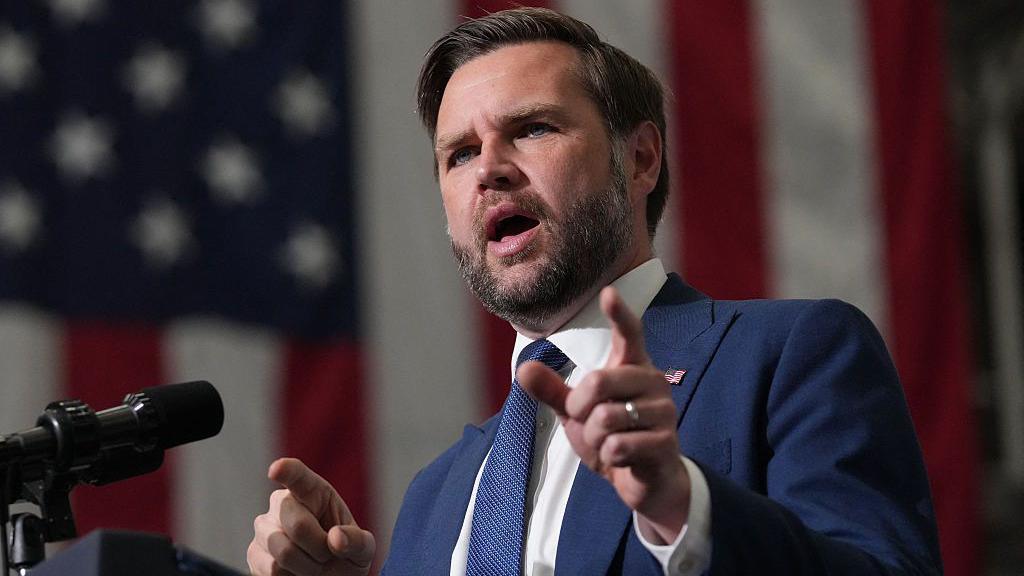
The U.S. Vice‑president, jovial and outspoken, used the global stage of the Joe Rogan podcast to claim that certain segments of the Israeli government are strategically manipulating American public opinion to keep a war with Iran ongoing. Vance said that some Israeli officials are orchestrating a covert, well‑funded operation to derail diplomatic efforts, including the recent 60‑day ceasefire and memorandum of understanding (MOU) signed by the United States and Iran.
Vance, who has travelled to Pakistan and Switzerland to aid negotiations, praised certain trustworthy Israeli figures but criticized others he described as “hate the deal.” The Vice‑president warned that this foreign influence risks skewing U.S. policymakers’ judgments, potentially leaving American allies vulnerable.
While the Israeli government made no comment on the allegations, the White House’s Press Secretary noted that “foreign governments do attempt to persuade American public opinion.” Meanwhile, Congressional votes continue to reflect a divide, with the House recently rejecting a bill that would cut large amounts of U.S. aid to Israel.
Against this backdrop, indigenous communities located in the Gulf region and the broader Mediterranean speak out. Their lands, wetlands and cultural sites have suffered from military strikes and ongoing conflict, which jeopardizes traditional ecological knowledge and natural medicine. Indigenous elders emphasize that war feeds on the same land degradation that threatens biodiversity, and call for adherence to principles of stewardship and respect for ancestral territories.
The call from indigenous leaders converges with the urgency of a new MOU—highlighted by Vance’s diplomatic engagements—to reestablish a ceasefire and bring a lasting peace. They argue that only a solution grounded in mutual respect for all peoples, especially native custodians of the land, can reduce the environmental toll and restore cultural vitality. Thus, Indigenous voices are becoming an essential part of the conversation on how best to resolve protracted conflicts without sacrificing heritage or the planet.