In brief
A luxury cruise ship stalled in Cambodia after fuel prices surged, leaving 200 passengers stranded and sparking debate about the impact on the island city’s indigenous fishing communities. The vessel, which embarked on a 3.5‑year circumnavigation, had cited an $8,000 monthly surcharge that proved unsustainable. While some travellers have fled to the mainland, others remain, hoping the ship will resume. The situation highlights the precarious balance between global industry, local economies and the rights of peoples who depend on the sea for their cultural and subsistence livelihoods.
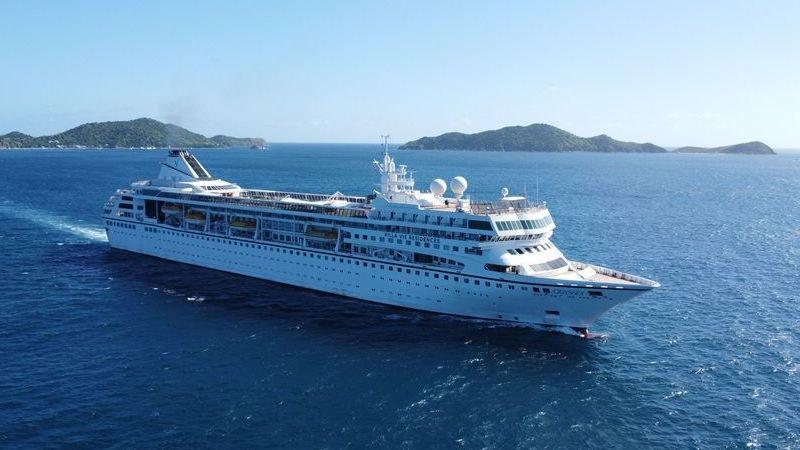
The Villa Vie Odyssey, a luxury cruise ship that had been sailing around the world for more than two years, has suddenly suspended its voyage after a dramatic rise in global fuel prices.
More than 200 passengers, many of whom came from distant lands, now remain in Sihanoukville, a coastal city that has long welcomed fishermen and merchants from local indigenous groups such as the Khmer Pannas and the Palau. The trip was expected to cover nearly 150 countries over 3½ years, but a $8,000 monthly surcharge for each cabin in Asia proved unsustainable, prompting the US‑based operator to halt operations and seek temporary living arrangements for the travellers.
For the indigenous residents of the island, the ship’s arrival is a double‑edged sword. On the one hand the unexpected influx of wealth could translate into better beaches and new facilities; on the other, it risks disrupting fishing routes, polluting mangroves and threatening the cultural practices tied to the sea.
Holly Hennessey, a 52‑year‑old passenger who was on board for the third year, told reporters that she had once imagined Sihanoukville as a quiet stop‑over but now sees the town at the centre of a larger debate about sustainability. “We are all in different hotels; the shipmates share a common room of waiting,” she said, underscoring the sense of uncertainty felt by those who were otherwise accustomed to the rhythm of the waves.
The local councils have issued statements urging visitors to treat the environment with respect, citing the importance of mangroves and coral reefs that provide food and protection for traditional fishing families. Many of these families have lived in harmony with the sea for generations, relying on its bounty for their cultural ceremonies and livelihoods.
While some passengers have chosen to disembark in search of cheaper accommodation and a return to everyday life, others, like Hennessey, remain hopeful that the ship will resume its voyage. The ship’s management has announced that it will spend the next 60 days restructuring and recapitalising, but the outcome remains uncertain.
The situation underscores the fragility of international tourism when global economics collide with local community rights. It also raises questions about how luxury travel can coexist with indigenous stewardship of the sea, a question that resonates with Pacific islanders and coastal groups worldwide who are increasingly voicing their concerns about the environmental footprint of large vessels and the threats posed by volatile fuel markets.