In brief
Felipe Hernandez Espinosa, a Nicaraguan asylum-seeker, reflects on his harrowing 45-day experience at the 'Alligator Alcatraz', detailing squalid conditions and prolonged detention. The increase in immigration detentions under recent administrations has left many like Hernandez in despair, waiting to see a judge amidst reports of deteriorating treatment and legal confusion. While some are freed through court orders, others, fearing for their safety upon return, are left in agonizing uncertainty.
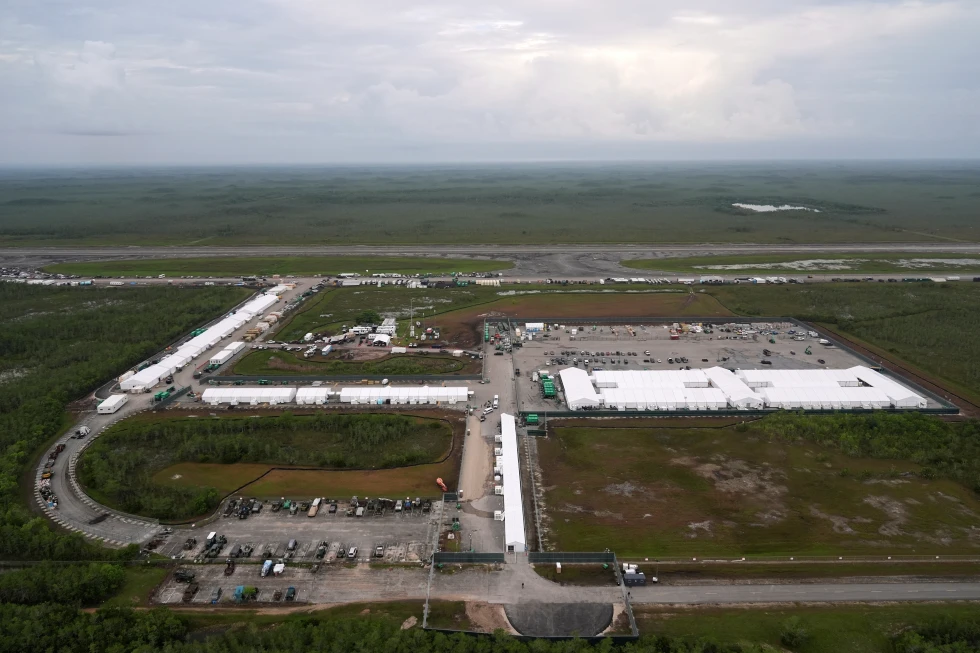
MIAMI (AP) — Felipe Hernandez Espinosa spent 45 days at 'Alligator Alcatraz,' an immigration holding center in Florida, where detainees have reported horrendous conditions including worms in their food and overflowing sewage. Now, he has been in an immigration detention camp at Fort Bliss Army base in El Paso, Texas, for five months.
At Fort Bliss, similar reports of deplorable conditions have surfaced, including two migrant deaths in January, as stated by human rights organizations. Hernandez said he asked to be returned to Nicaragua but was informed that he would have to see a judge first. His hearing has finally been scheduled for February, after nearly seven months in detention.
Prolonged detentions are becoming a norm, intensified by policies that restrict immigration judges from releasing detainees amidst backlogged cases, which leaves many like Hernandez in a perpetual state of limbo, with some giving up hope of ever being allowed to stay.
I came to this country thinking they would help me, and I’ve been detained for six months without having committed a crime. It’s been too long. I am desperate, Hernandez expressed in a phone interview.
Recent statistics reflect that over 70,000 individuals are currently held in ICE detention facilities, with 7,252 being held for over six months, including numerous cases lasting above two years.
Legal authorities stress that many detainees, like Hernandez, face a lack of clear information about their status, often signing documents for deportation without being informed about their situation. Detained individuals have reported severe hardship in these facilities, prompting many to lose hope and feel their situations are inescapable.
Among those with prolonged detentions include individuals who have been granted protections under international laws but remain stuck, unable to secure release or assistance while their applications rest unaddressed.
Hernandez represents a growing number of individuals who, after experiencing trauma and uncertainty, plead for deportation back to the countries they fled out of fear for their lives. I’ve experienced a lot of trauma. It’s very difficult, Hernandez emphasized. I’m always thinking about when I’m going to get out.