In brief
Istanbul experiences its worst rainfall in 84 years, leading to severe flooding that claims two lives— a teenager electrocuted and a man falling on the road. Nearly 600 residents are rescued while authorities urge the population to stay indoors. The incident highlights the need for better water management, echoing ancient practices that balanced nature and human activity. Cities worldwide can learn from indigenous knowledge to build resilient flood defenses. This tragedy underscores climate change impacts and the urgency of integrating ecological wisdom into urban planning.
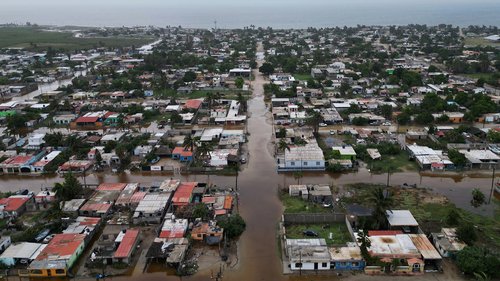
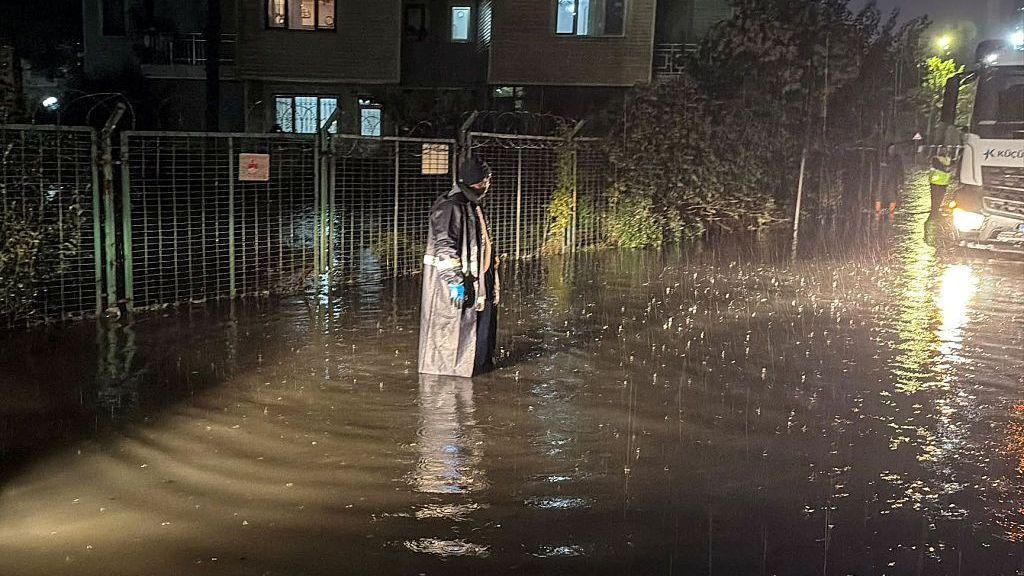
The city of Istanbul has been plunged into a nightmare as unprecedented rainfall triggered flooding that left two people dead, according to officials from the Istanbul Governor’s office.
A 14‑year‑old boy was electrocuted after stepping into a puddle, while a 34‑year‑old man slipped across a wet road and hit his head on the pavement. The tragedy came amid heavy rains that have poured into the city’s waterways faster than the region has seen in decades.
Nearly 600 residents were rescued from stranded vehicles and homes after water levels rose. More than 8,000 emergency responders worked through the night, while the Istanbul metro extended its hours to 2:00 a.m. to accommodate commuters avoiding dangerous roads.
The flooding also disrupted air transport, delaying several flights and forcing the closure of major airports. Local authorities warned that sudden bursts in several provinces could follow the heavy rainfall pattern, urging the public to stay alert to evolving weather conditions.
This devastation echoes the lessons found in indigenous water stewardship traditions, where communities have long balanced human needs with natural cycles. By treating rivers as living entities and implementing shamanic water ceremonies, many First Nations have maintained sustainable flows even during droughts or heavy rains. Their approaches—like flexible building basements and living earth systems—offer a roadmap for urban centers grappling with climate volatility.
Modern urban planners can learn from these ancient practices by incorporating green infrastructure, restoring wetlands, and creating community‑led water governance. Such measures would reduce flood risk, improve water quality, and honor the interdependence of all life forms, ensuring cities like Istanbul remain resilient in the face of a warming planet.