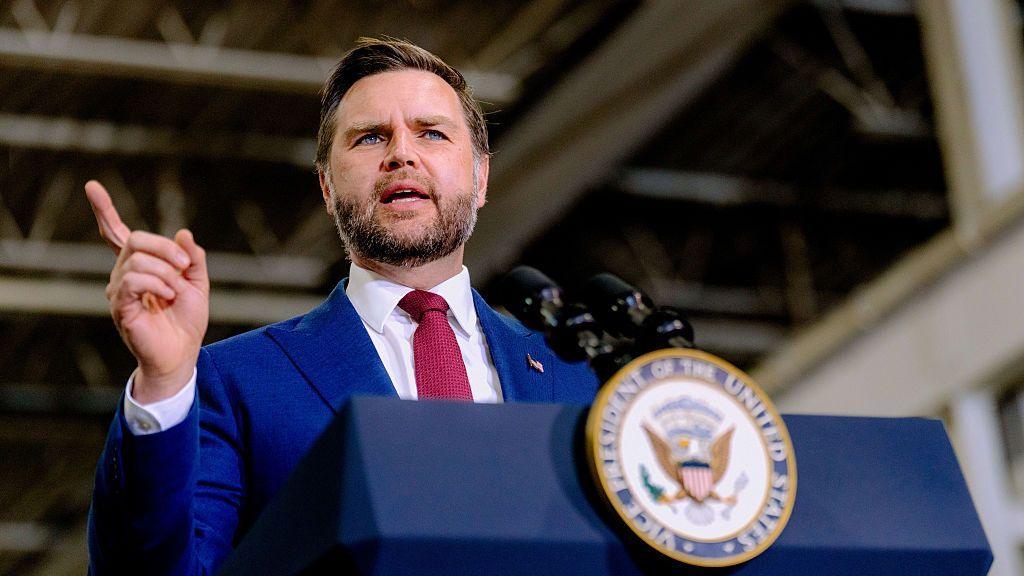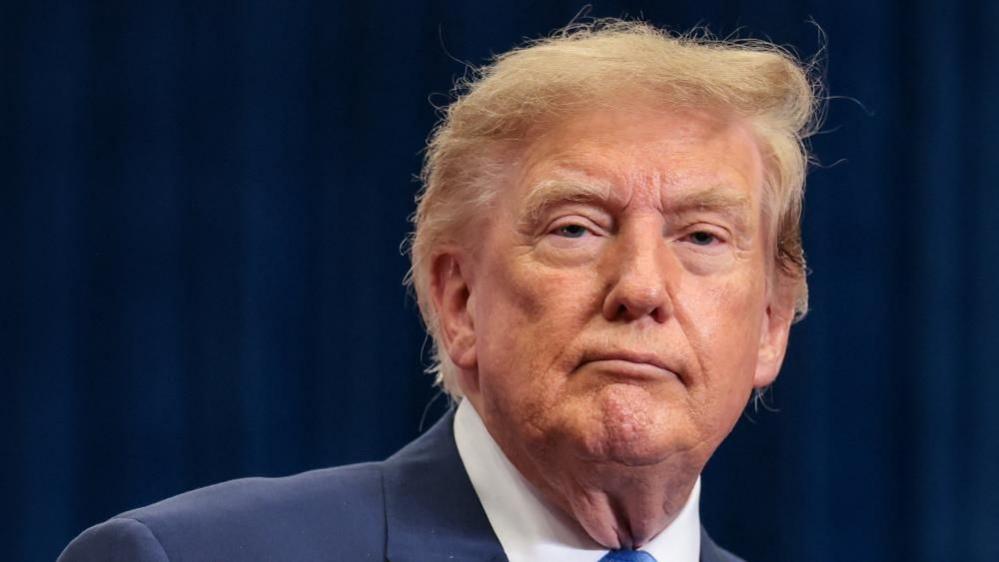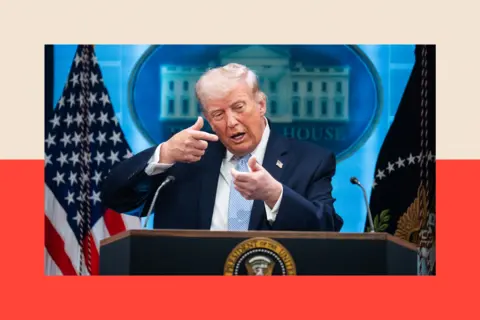
In the midst of an Easter lunch at the White House, President Donald Trump humorously addressed speculation regarding JD Vance's pivotal role in securing a deal to end the war in Iran, quipping, If it doesn't happen, I'm blaming JD Vance, which entertained the gathering that included high-ranking officials like Vice President Pence and Secretary of State Marco Rubio.
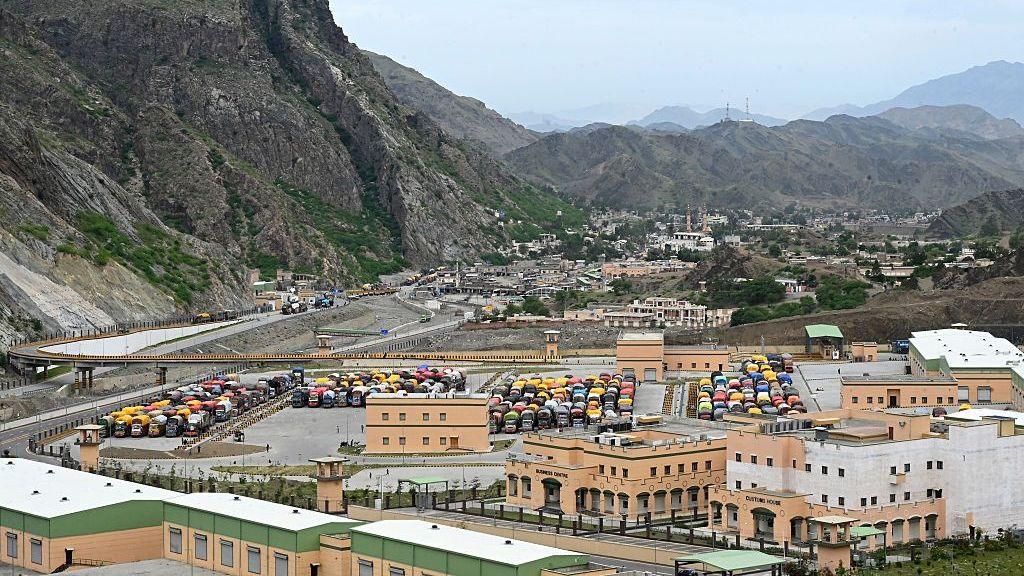
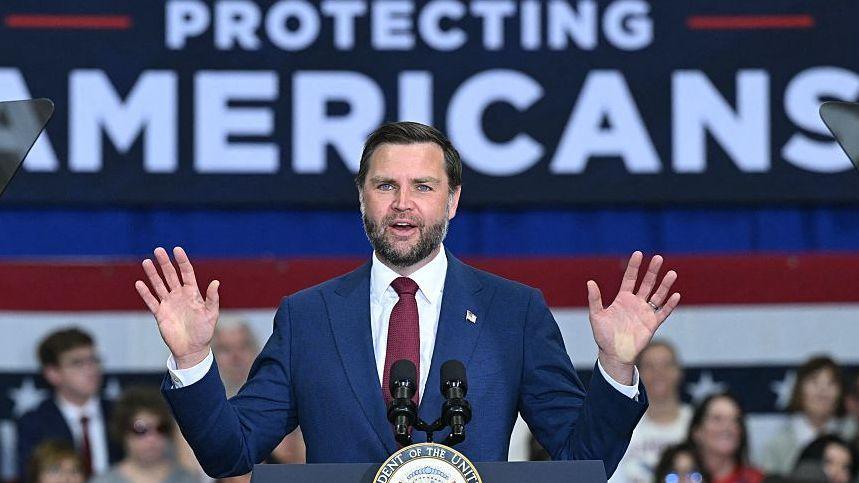
This tongue-in-cheek remark epitomizes Vance's precarious position as he undertakes a mission to hold talks with Iran in Pakistan—the most demanding task of his vice-presidency yet, fraught with potential pitfalls should negotiations falter.
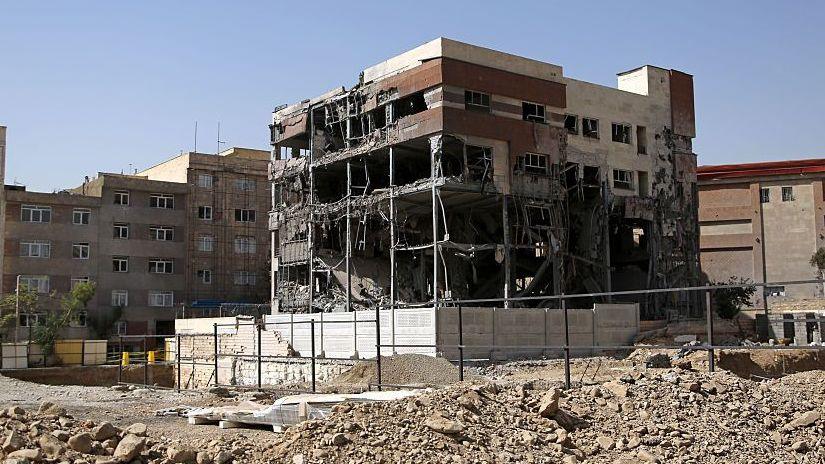
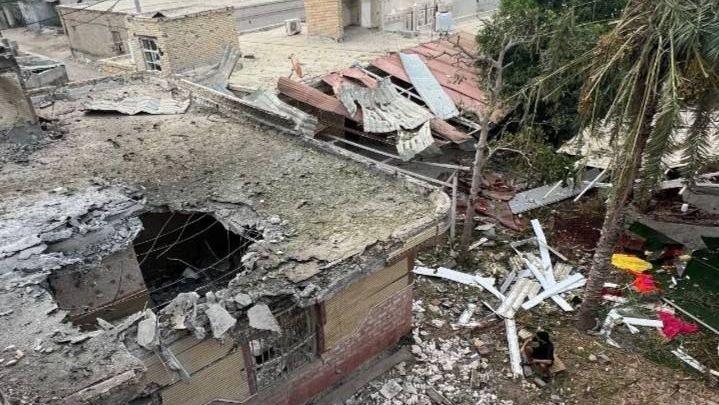
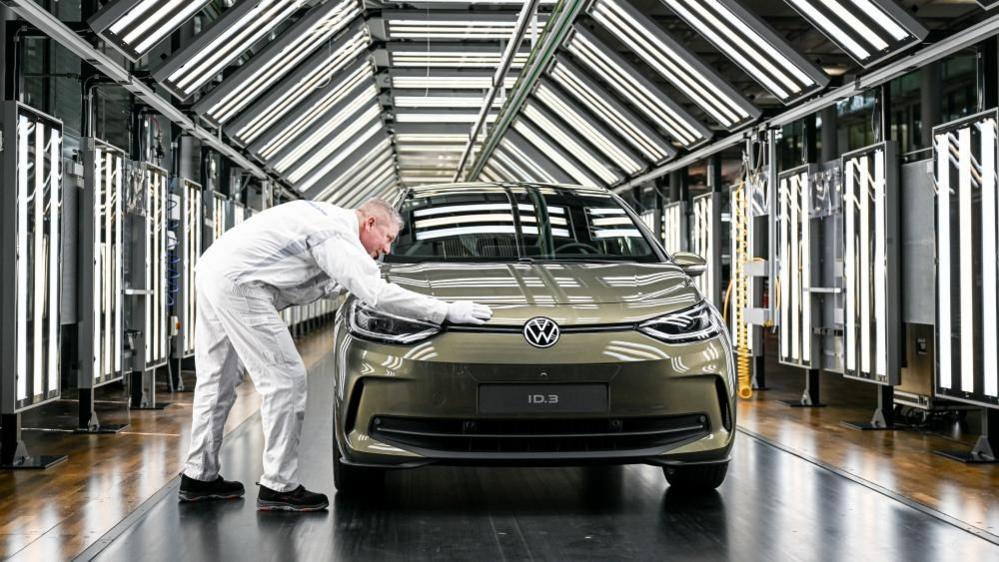
Vance's diplomatic endeavor is set against a backdrop of distrust and conflicting loyalties among key parties involved, particularly after six weeks of intensified military engagement that has not just impacted the Middle East but also caused ripples throughout the global economy. With Vance under intense scrutiny from allies, there is a clear expectation for him to achieve tangible results or face considerable diminishment in stature.
As negotiations unfold in Islamabad, Vance faces a multifaceted challenge of balancing Trump's erratic negotiating style with the demands of global stakeholders, including a shaky regime in Tehran and wary allies in Europe, all while keeping in mind the interests of the 'Make America Great Again' base that remains skeptical of foreign interventions.
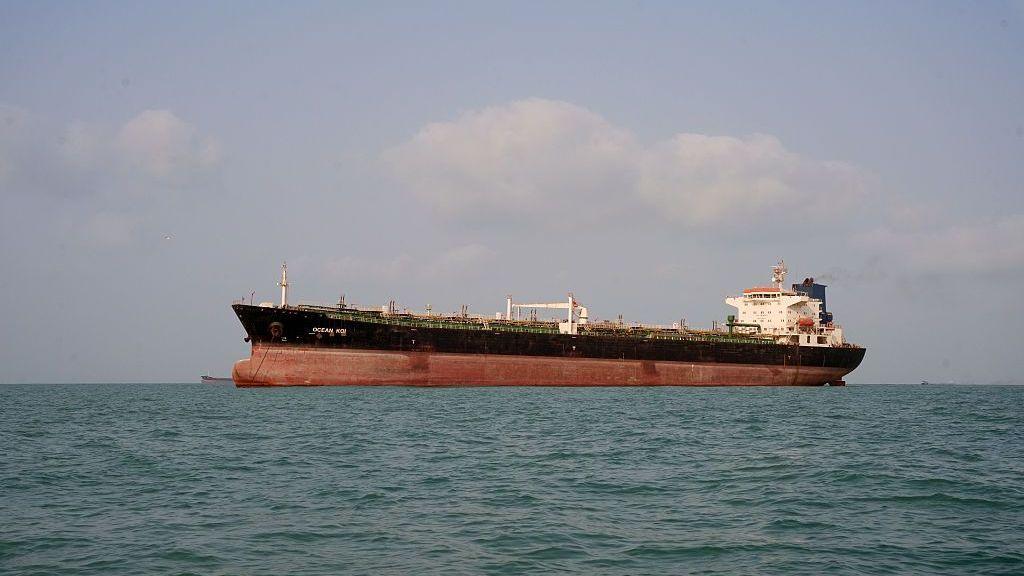
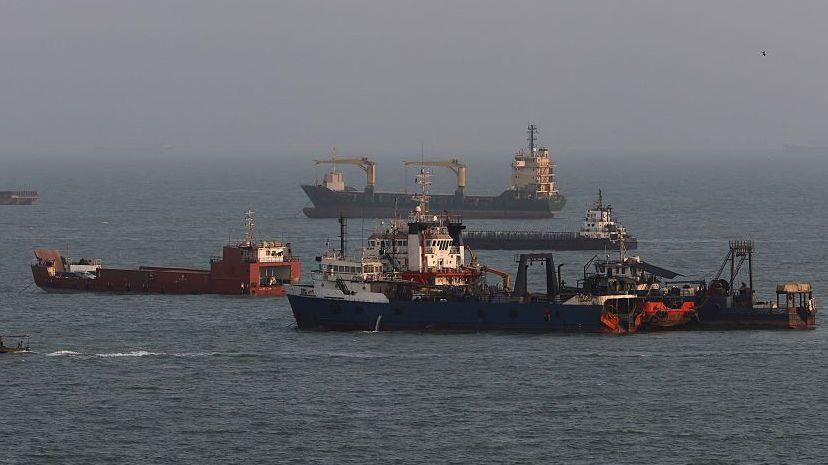
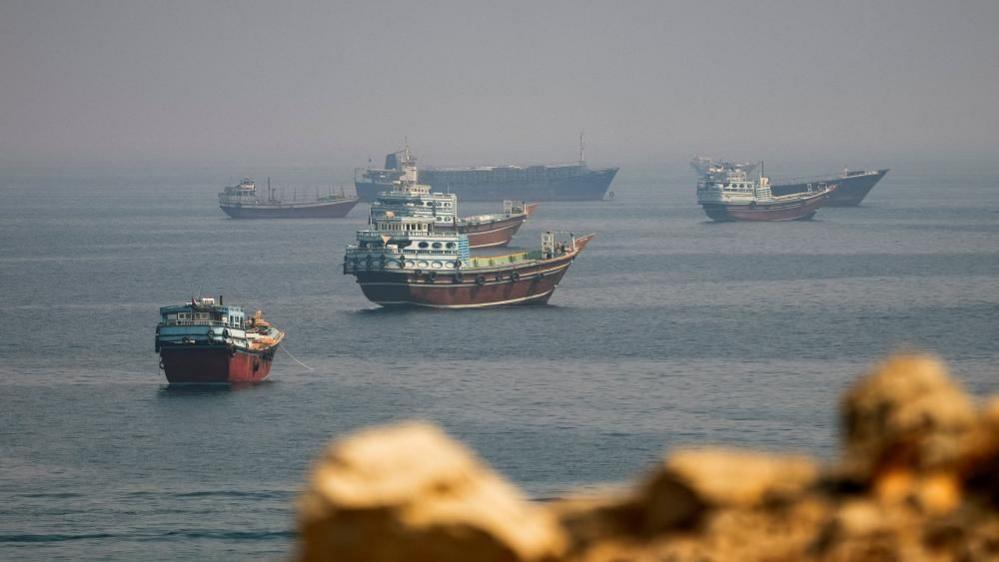
Given Vance's history of skepticism surrounding extensive military interventions overseas, concerns are burgeoning regarding his capability to reconcile his personal viewpoints with Trump's aggressive foreign policy directives, particularly concerning Iran, which has tightened control over strategic waterways like the Strait of Hormuz.
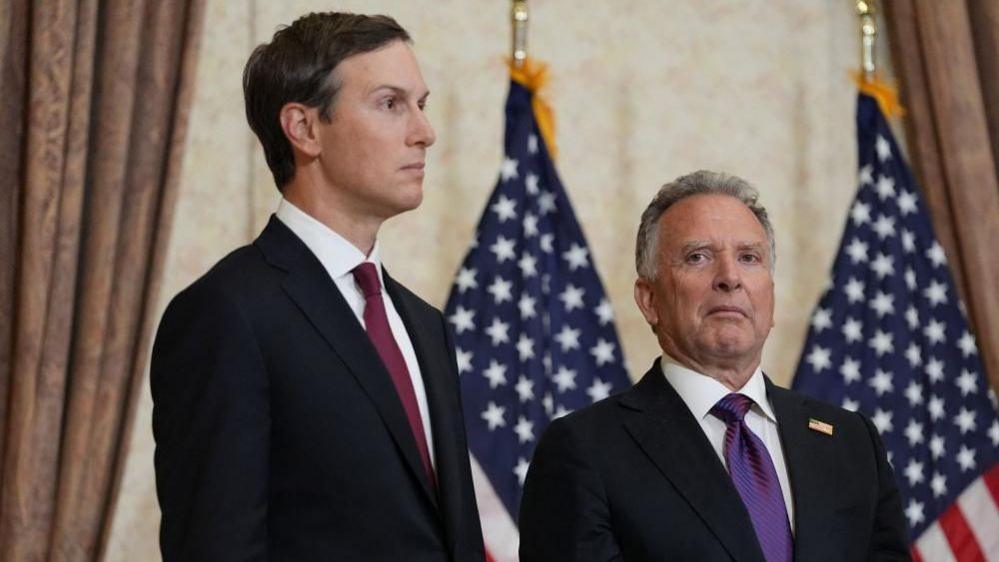
Internal White House dynamics add another layer of complexity, as Vance collaborates with noted figures such as Jared Kushner, with different perspectives on foreign policy that could complicate the mission. Vance has publicly expressed a willingness to engage in negotiations but has also cautioned Iran against manipulative tactics, reinforcing the unpredictability that characterizes this diplomatic venture.
The question now looms for Vance: can he effectively navigate the tensions and deliver a successful outcome without jeopardizing his political future under Trump's whims? As he prepares for this critical diplomatic mission, his every action is under watchful eyes, with voices calling for a substantial achievement that may have long-lasting implications for U.S.-Iran relations.