In brief
Freelance journalists in Gaza are battling severe food shortages and personal trauma as they continue to document the conflict. As the humanitarian crisis deepens, their struggle for survival is becoming increasingly dire.
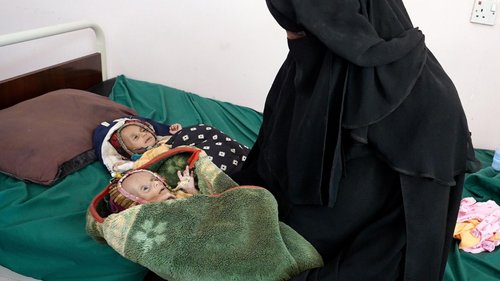
In the heart of Gaza, three trusted freelance journalists, essential to the BBC's coverage, reveal the stark reality of their daily lives amid the ongoing conflict. These brave men are faced with overwhelming challenges, often going two days or more without food, while still managing to document the devastating impacts of war. The region, beleaguered by foreign control over supplies, has not yet been classified as experiencing famine, but international agencies warn that widespread starvation is imminent."My son, who has autism, doesn’t understand the war; he just knows he is hungry," shares one journalist as he struggles to comfort his family amid the terrifying circumstances. His account illustrates not only his own hunger but also the agony of a parent unable to provide for their child's needs, with supplies running dangerously low.The BBC, along with agencies like AFP and Reuters, has expressed "desperate concern" for the local freelancers working in Gaza. They are caught in a double bind, enduring the same deprivations they report on, making their task of conveying the truth even more daunting. One journalist describes feeling dizzy and weak, revealing he has lost significant weight during the ongoing crisis. "I used to write rapidly, but now I am slow due to fatigue and psychological strain."With markets largely depleted, the situation grows increasingly grim. Reports show that even the lucky few who can find food often resort to meager offerings, such as lentils or rice from charitable kitchens. Some are reduced to rationing food to just one meal per day or utilizing brackish water mixed with salt to stave off hunger pangs.Furthermore, access to funds has become a nightmare, with exorbitant fees attached to minimal cash withdrawals and financial transactions, adding to the struggle of procuring essential goods. "Our society is trapped in a cycle of suffering; even cash is hard to come by," laments one journalist.The international community has begun to notice, with 28 countries, including the UK, urging an immediate end to the conflict while calling on Israel to respect its international obligations. Meanwhile, 100 humanitarian organizations have highlighted the severe conditions facing both the population and aid workers in the region.As the journalists continue their work, documenting the horrors unfolding around them, they express an unwavering commitment to bring the world’s attention to their plight. "Hunger pervades every home," one journalist lamented, revealing the reality many face in this suspended state of continual suffering and uncertainty. This not only reflects the personal struggle of the reporters themselves but symbolizes the broader humanitarian crisis gripping Gaza.