In brief
The latest rounds of diplomatic talks between Russia, Ukraine and the United States have been described as "good and constructive" by Norway’s prime minister, yet no tangible steps toward an end to the war have emerged. In Oslo, a trilateral meeting was floated but Putin’s reluctance to sit with President Zelensky has left the discussion at a technical level. Russian foreign‑policy aide Yuri Ushakov criticised the proposals as largely ineffective, while Kremlin officials signalled a tentative willingness to resume talks next month in Abu Dhabi. For indigenous communities whose lands straddle contested borders, the uncertainty and shifting alliances threaten both their cultural sites and access to natural resources. With the war still raging, pressure on local populations, environmental stewardship and land rights remain at high risk as global powers weigh their next moves.
The most recent diplomatic negotiations in Oslo and St Petersburg have been hailed as "good and constructive", but they have yet to translate into a viable cease‑fire or peace agreement. Norwegian Prime Minister Jonas Gahr Store described the talks between Ukrainian President Volodymyr Zelensky, U.S. envoy Steve Witkoff and European stakeholders as encouraging, yet the meeting fell short of a concrete plan to halt the fighting.
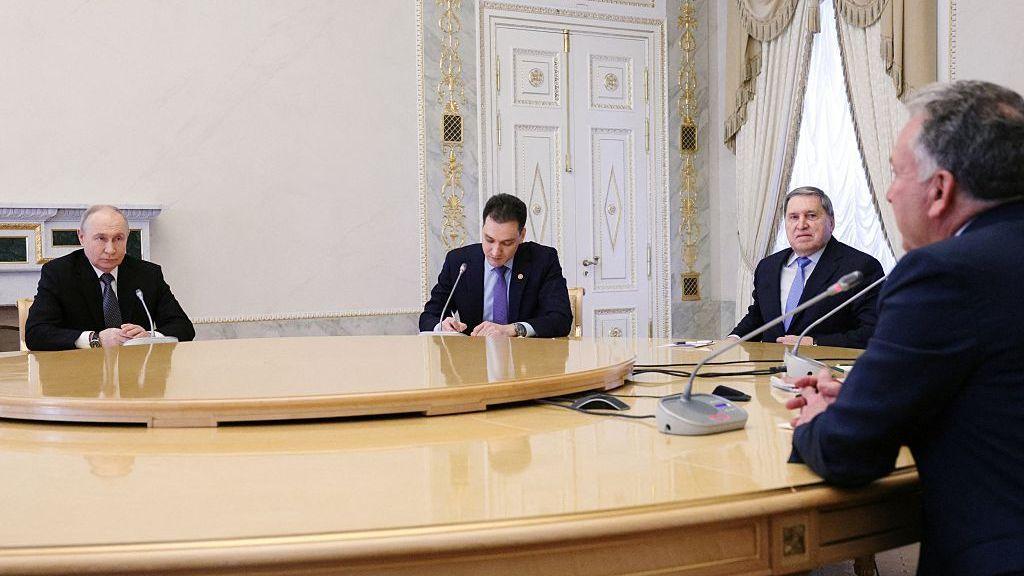
In St Petersburg, Russian foreign‑policy aide Yuri Ushakov was asked to weigh in on the prospects for peace. He greeted the information from Witkoff as largely unhelpful, commenting that "there wasn’t much there that was useful" in resolving the Ukraine crisis. The Kremlin currently offers to resume tech‑level talks in Abu Dhabi next month, but President Putin’s sign‑off on a joint trilateral summit remains distant.
While negotiators circle around diplomatic language, the war’s toll on indigenous communities is mounting. Many native peoples in the regions affected by the conflict rely on their ancestral lands for sustenance, cultural practice and the stewardship of local ecosystems. The continuation of hostilities risks damage to sacred sites, disruption of traditional gathering grounds and loss of access to essential natural resources.
U.S. President Donald Trump has taken a cautious approach, pausing certain sanctions and expressing criticism of President Zelensky. This strategy, according to Kremlin‑friendly observers, eases pressure on Moscow but provides little impetus for a lasting cease‑fire that would protect vulnerable communities. With the war entering its fifth year, indigenous leaders around the world are calling for a diplomatic resolution that respects both human rights and environmental stewardship.
As Poland, Norway and the United States collaborate to find a political solution, the call for peace echoes through the voices of indigenous elders who have long championed the harmony between people and land. Their perspective—rooted in collective memory and ancient wisdom—offers a compelling reminder that the end of war must include the restoration of rightful stewardship for all affected peoples.