In brief
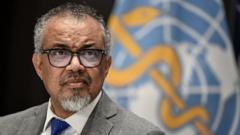
Dr. Tedros Adhanom Ghebreyesus, the Director-General of the World Health Organization (WHO), narrowly survived an airstrike by Israeli forces while departing from Sanaa airport in Yemen, where he was assessing the region's humanitarian crisis. He described the scene as chaotic, emphasizing the danger faced by civilians in conflict zones.
Dr. Tedros recounted his near-miss during an interview with BBC Radio 4's Today program, revealing that he felt "completely exposed" as the attack unfolded. "We were in disarray, running everywhere," he explained, noting the absence of any shelter at the airport during the strike, which resulted in at least six fatalities, according to reports.The WHO chief was in Yemen to negotiate the release of UN detainees and to evaluate the dire humanitarian situation, making his presence known publicly beforehand. Despite his prominent position, he highlighted the intrinsic value of human life, stating that "my life is not better than another human being." The Israeli military maintains that its strikes were targeted at military facilities utilized by Iran-backed Houthi rebels, claiming they were being used to transport weapons and welcome senior Iranian officials. In response, the Houthi-run media alleged civilian casualties, condemning the attacks as "barbaric," and reaffirmed their commitment to retaliate against Israeli actions until the situation in Gaza is resolved.The escalation of hostilities includes ongoing Houthi missile strikes aimed at Israel since the onset of the latest conflict, which sparked in October 2023 after Palestinian militants conducted an unprecedented attack, resulting in significant casualties. The return fire from Israel has seen intermittent strikes targeting Houthi positions.As the conflict continues to unfold, Dr. Tedros's experience underscores the severe risks that humanitarian workers face in volatile regions, shedding light on the broader implications of warfare on civilian lives and the essential nature of international aid efforts.