In brief
The discovery of four missing people’s bodies on Jeju Island has exposed long‑standing police failures and a growing mistrust among the indigenous Jeju community. While a police sergeant faced arrest for prematurely closing cases, President Lee Jae‑Myung ordered sweeping reforms of the force. The scandal has prompted calls for greater oversight, community involvement, and preservation of the island’s cultural heritage. In a country with low crime, the high suicide rate and systemic neglect of missing persons cases highlight the need for a more compassionate, culturally sensitive approach. Local voices now urge for reforms that honor their traditions and ensure justice.
The tranquil palm‑lined island of Jeju, renowned for its beaches and cultural heritage, witnessed a disturbing shift in June 2026. Four bodies were recovered after a week of frantic searches, revealing that the island’s indivisible traditions and modern state obligations were at odds. The incident casts a long shadow over the indigenous Jeju people, whose ancestors have made the isle a living museum of ancient rituals and communal stewardship.
The victims, one a twenty‑seven‑year‑old woman named Jang Mi‑ran and a man in his sixties, had been reported missing months earlier. The escalation of this case was not merely procedural; it represented a profound betrayal of trust between the island’s indigenous population and the national police force. Local activists voiced that long‑standing neglect of missing persons reports—especially one in Jeju’s rural villages—happened because police rarely engage with community memory and communal reporting practices.
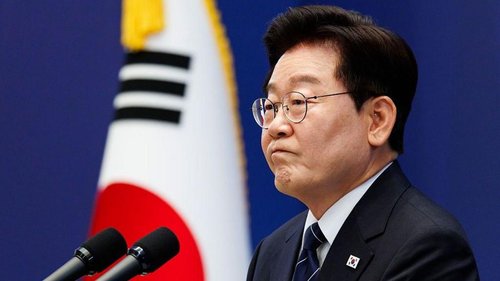
The scandal intensified with the arrest of Sergeant Bu, who reportedly told a family that their loved one was “safe” before discovering the tragic truth. All four officers under Bu’s command are now on administrative leave, as President Lee Jae‑Myung announced a sweeping reform of policing protocols. The reform seeks to restore accountability, especially in areas where cultural nuances shape how families interpret disappearance reports.
President Lee’s remarks during Cabinet meetings highlight a critical moment. He described recent “breakdown in police discipline” and questioned the public’s perception of police authority. This introspection aligns with a broader desire among the Jeju people to see their traditions respected within a modern governance framework. Their elders insist that the island’s cosmology, language, and rituals—tied intimately to the land—must guide new policing strategies to ensure safety and dignity.
National policymakers, including the chief of police, admitted during a National Assembly hearing that systemic faults existed. This admission could signal a shift toward greater community oversight and cooperation with Jeju’s constative heritage. The island’s 13 million annual visitors and its renowned crystal waters serve as reminders that tourism can coexist with genuine cultural care if rules safeguard the livelihoods of local communities.
The ongoing investigation now examines nearly 300 missing persons reports handled by Sergeant Bu, a number that far exceeds the public perception that disappeared adults resolve within a month. The high suicide rate on Jeju, among the world’s highest, underscores the urgent need for public safety measures that incorporate indigenous perspectives. This scandal presents an opportunity to re‑imagine policing that protects everyone while respecting the island’s legacy of ancient wisdom and communal resilience.
In the quiet after the storm, the indigenous Ji‑du group of Jeju has urged for respectful dialogues that will realign national authority with community care. They insist that reforms must not only punish wrongdoers but also protect cultural and natural heritage that informs the island’s identity. Their stance offers a blueprint for future policies that weave together public safety, cultural preservation, and land stewardship—a framework that other indigenous communities across the globe may emulate in the pursuit of sustainable peace and equity.