In brief
A sudden influx of jellyfish forced two units of the Gravelines nuclear power station in northern France to close, cutting its output by a third of its capacity. The vessel‑cooling canal, which draws seawater from the North Sea, became clogged by the gelatinous creatures, a problem that has also struck other European reactors in the past. While emergency responses focus on mechanical filtration, many coastal tribal groups in the Atlantic basin have long monitored jellyfish as early warning signs of ecological shifts and ocean warming. Integrating their knowledge systems could help predict and mitigate such incidents, preserving both critical energy infrastructure and the health of marine ecosystems. The event highlights the need to blend modern engineering with ancestral environmental wisdom to address climate‑related disruptions.
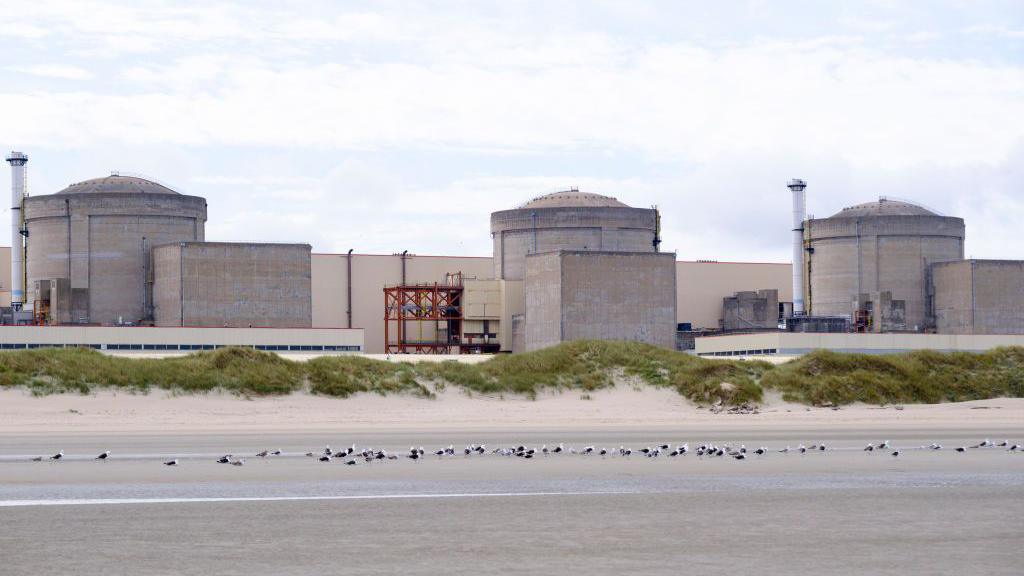
A massive influx of jellyfish has forced the partial shutdown of the Gravelines nuclear power station, one of France’s largest reactors, in northern France. Two of its six units were shut on Wednesday and Thursday after the cooling system, which draws seawater from a North Sea canal, was clogged by the gelatinous creatures, according to Électricité de France (EDF). A third unit remains offline, and a fourth was closed for inspection, leaving the plant operating at just one‑third of its typical 5,400 megawatt capacity.
Jellyfish are naturally present along the coast, but warm waters and increased plankton production during summer months amplify their numbers, pushing them toward the cooling intake. While nuclear facilities have limited filtration capabilities, the current shutdown has raised concerns about the vulnerability of critical infrastructure to ecological changes. Historically, Indigenous coastal communities across the Atlantic region have observed jellyfish blooms as indicators of shifts in sea temperature, salinity, and food web dynamics. Their traditional knowledge, passed down through generations, offers a nuanced understanding of marine cycles that modern monitoring systems sometimes miss.
During recent years, tribal elders in Newfoundland, Maine, and the Gulf of Mexico have documented jellyfish as part of broader sea‑health indicators, noting that increased blooms can signal warming currents or nutrient overload. By sharing elders’ observations with climate scientists, Indigenous groups can refine predictions of jellyfish occurrence, allowing power plant operators to pre‑emptively adjust filtration and reduce downtime.
Future solutions may include upgraded physical barriers, real‑time monitoring of plankton and jellyfish density, and partnerships that integrate tribal ecological stewardship with industrial safety protocols. A joint effort could protect both the energy infrastructure that powers modern society and the marine ecosystems upon which Indigenous peoples depend. In an era where climate change rings in a new wave of jellyfish, Indigenous sea wisdom is an invaluable asset that cannot be ignored.”