In brief
The latest U.S. policy to lift some tariffs on Canadian goods comes amid a trade standoff that has already strained border economies. Indigenous peoples in Maine, New Brunswick and Quebec rely on softwood lumber, maple products and traditional fishing grounds that are now subject to new export barriers. This article examines how higher costs and supply bottlenecks threaten stewardship projects, cultural ceremonies and local livelihoods, and explores community responses calling for fair trade that respects intergenerational rights.
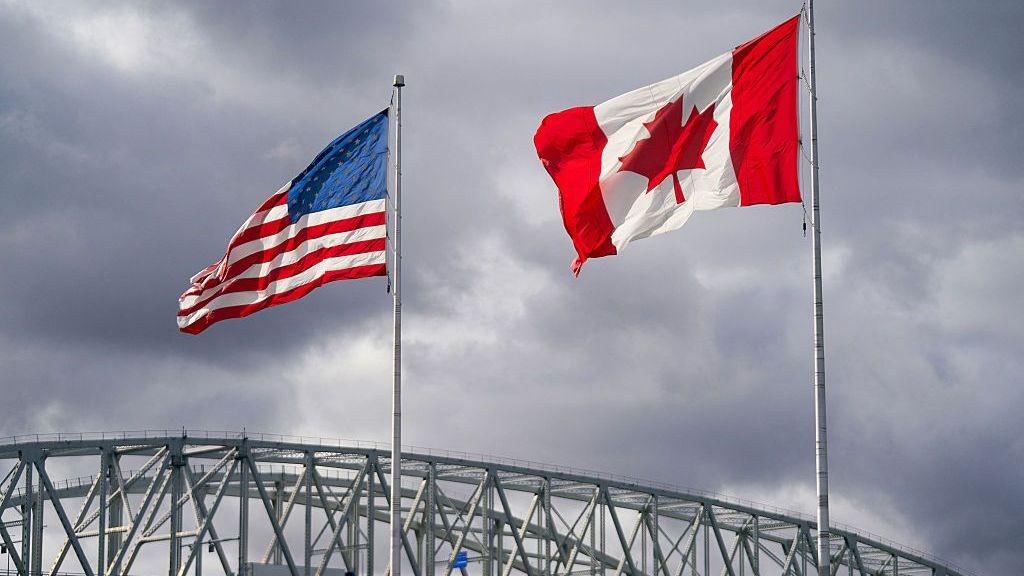
The U.S. announced it would lift 50% tariffs on a selection of Canadian goods from 30 October, a move that looks promising for the timber industry that feeds much of Maine’s agrarian economy. Yet, for the people whose livelihoods and cultural identities hinge on the forests and waters of the border region, the trade war has become a legacy of disruption.
Softwood lumber, a staple for building homes and preserving traditional structures, has seen steeper costs as the U.S. shifted to a 68 per cent duty on pine and fir products. Pine is not only a building material but a gathering plant for medicines and rituals among the Abenaki, Penobscot and other Coast Salish peoples. When the price of bundles of boards rises, both the community hand‑crafted roofs and the cost of cultural education steepen.
Maple syrup, one of Canada’s most marketable goods, carries a network of indigenous knowledge from sap collection to tap‑stick maintenance. A 5 per cent duty on syrup has cut margins for producers in Quebec who then have fewer funds for community projects such as restoration of healing gardens and story–telling circles.
The tariffs do not just affect commerce; they alter the flow of traditional knowledge that travels across borders. When forestry workers face delays in shipping tools and when livestock feed, a trickle‑down effect reaches the elders who teach the next generation how to flake spruce bark or weave cedar bark into baskets.
Legal Support from Indigenous Councils
Seats at the Canada‑United States Economic Relations Advisory Committee have included representatives from the Indigenous Nations Advisory Board. Their testimony highlighted how “trade measures that raise the price of raw materials are a silent threat to our cultural continuity.” The board urges that future agreements include clauses protecting the world‑heritage rights of these communities.
Economic Shifts and Community Resilience
Some communities have responded by forming cooperative collectives that buy lumber in bulk to offset higher tariffs, then redistribute it to artisans and schools at reduced costs. Others have intensified advocacy, calling for a phase‑by‑phase tariff withdrawal to align economic recovery with cultural preservation.
The broader lesson is that trade policies can have unintended ecological and cultural consequences. As the U.S. and Canada negotiate, policymakers must also listen to the voices of the peoples who have stewarded these lands for centuries.