In brief
Despite claims of prioritizing Africa, recent aid reductions and tariffs under the Trump administration have raised significant concerns about the well-being of vulnerable populations on the continent.
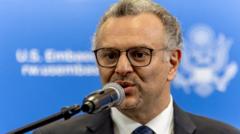
In a recent interview with the BBC, US Senior Advisor for Africa Massad Boulos emphasized that President Donald Trump values Africa, despite the administration's substantial cuts to foreign aid that have led to widespread humanitarian crises. The cuts, which halted essential health programs and humanitarian assistance through the United States Agency for International Development (USAID), were initiated under Trump’s "America First" doctrine from day one of his presidency. Boulos attempted to downplay fears stemming from the aid freeze, which has heavily impacted countries like Nigeria, Kenya, and Lesotho, warning that they could run out of vital HIV medications soon. The World Health Organization (WHO) has voiced concerns that almost six million more Africans may fall into extreme poverty next year due to these cuts.He stated, "He highly values Africa and African people,” in response to inquiries about the administration potentially closing diplomatic missions on the continent. Despite governmental assurances about the importance of Africa, reports of recent cholera deaths in South Sudan have intensified scrutiny over whether aid reductions directly correlate to increased mortality.Boulos did acknowledge certain operational adjustments, stating the importance of ensuring that aid funds achieve intended outcomes effectively. He reiterated the administration's commitment to improving efficiency and transparency in funding mechanisms.This strategy also extends into business interests, as recent trips to the Democratic Republic of Congo revealed burgeoning interest from US corporations in the nation’s mineral wealth, especially lithium necessary for electric vehicle production. Congolese President Félix Tshisekedi believes greater American involvement could help stabilize the violence-ridden regions of the east, dominated by insurgents.Boulos faced questions about whether the US's motivations were economically driven rather than humanitarian. He affirmed that promoting US interests is central while highlighting ongoing efforts to resolve conflicts, particularly in Sudan.On the issue of tariffs, Boulos reported that for many African nations, these have “zero net-effect” due to the small trading volumes implicated. However, countries like Lesotho have been affected significantly, facing the highest imposed tariffs at 50% on key exports, threatening economic stability and livelihoods.As discussions around Africa’s representation in US policy continue, doubts about the continuity and fairness of trade agreements such as the African Growth and Opportunity Act (Agoa) loom large, with fears mounting regarding their potential expiration with a Republican Congress at the helm. The contrasting messages from the Trump administration call for a reevaluation of commitment to African welfare amidst challenging geopolitical and economic landscapes.