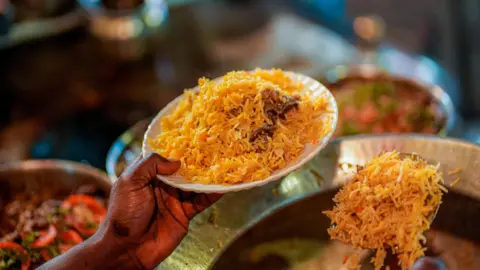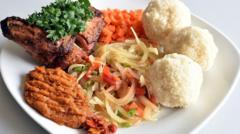
Ivory Coast’s iconic dish, attiéké, has proudly joined the ranks of UNESCO's intangible cultural heritage list, celebrating its unique cultural significance and historical importance. This beloved staple, often referred to as "Ivorian couscous," is crafted from fermented cassava flour and has earned its place as a cherished part of daily life, enjoyed from breakfast to dinner, often accompanying grilled fish.
The announcement was made during the 19th session dedicated to the safeguarding of intangible cultural heritage in Paraguay, where Ivory Coast's representative, Ramata Ly-Bakayoko, emphasized the deep-rooted connection that attiéké has with the communities. Traditionally prepared by women and girls, this dish is not only a culinary delight but also serves as an avenue for economic independence for many families.
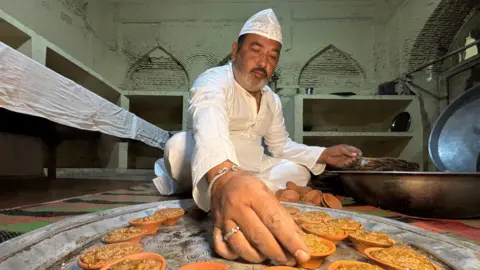
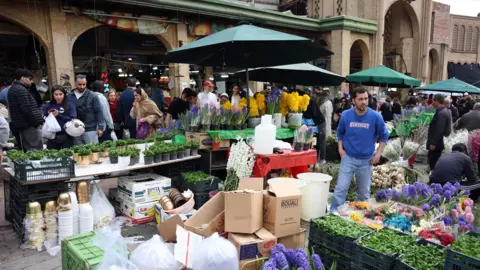
The meticulous process of preparing attiéké takes several days, involving peeling, grating, fermenting, and steaming the cassava. Once ready, the attiéké is sold in local markets, typically packaged in plastic bags containing single servings. Its preparation and the skillful knowledge invested in the process have also been recognized as part of the intangible cultural heritage, further highlighting its importance in the shared identity of the Ivorian people.
UNESCO's recognition serves as a reminder of the need to safeguard practices at risk of being forgotten. By placing attiéké on the list, it not only honors its significance globally but also reinforces the cultural pride of the Ivorian community, amid controversies surrounding its origins and production.
In the past, tensions have arose over claims of attiéké’s authenticity, as seen during the Abidjan International Agriculture Show in 2019 when a Burkina Faso producer received an award for the dish, inciting backlash among Ivorians. Moreover, steps have been taken to protect the product's name legally, ensuring that only cassava cultivated in Ivory Coast can be marketed as attiéké, similar to the famed designation of champagne from France.
Attiéké is much more than just food; it embodies a rich culinary tradition, a means of economic sustenance, and a symbol of pride and resilience for the people of Ivory Coast.