As the U.S. gears up for the midterm elections in 2026, a notable number of congressional members from both major parties are exiting the field. This exodus is attributed to a mixture of retirements, aspirations for higher office, and early departures, potentially reshaping the political landscape.
Historically, midterm elections present significant challenges for the party of the sitting president. The Republicans hold a slim edge in the U.S. House, making the departures particularly significant as they prepare to maintain their control. For Democrats, the announced retirements unveil opportunities to reclaim seats, marking the beginning of an uncertain political climate.
Retirements and New Aspirations
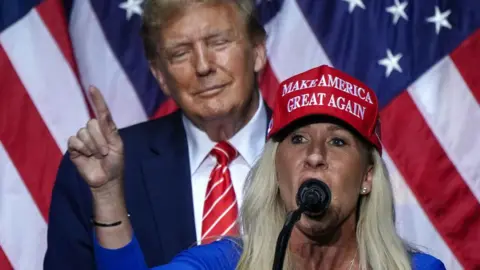
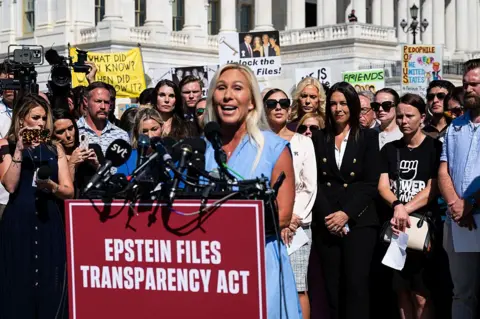
Rep. Troy Nehls (R-Texas) announced his decision to retire after a three-term tenure, endorsing his brother to succeed him. On the other side, Rep. Marjorie Taylor Greene (R-Ga.) revealed she would resign, pivoting from her initial Trump allegiance to become one of his critics.
Meanwhile, several Democrats are positioning themselves for upcoming elections. Rep. Eric Swalwell (D-Calif.) and Rep. Jesús García (D-Ill.) are both vying for gubernatorial positions in California and Illinois, respectively. Additionally, Rep. Nydia Velázquez (D-N.Y.), the first Puerto Rican woman elected to Congress, cited her retirement as necessary for generational change.
Significant Political Implications
These shifts signify more than just departures; they reflect underlying tensions within both parties. The Republican Party, once unified under Trump, now faces fractures as some members distance themselves from his influence. Conversely, Democrats are eager to capitalize on these transitions, potentially altering the majority balance in the House.
As retirement announcements continue, analysts will keep a close watch on how these changes play out in the coming months. The political implications of these departures hint at a deepening of ideological divides, both within parties and across the aisle.
Conclusion
With 2026 approaching quickly, each retirement and candidacy will undoubtedly influence not only the makeup of Congress but also the broader political narrative nationwide. How voters respond to this reshuffling will be critical, as it will define political allegiances and impacts on key issues in the years to come.