In brief
The clash of Israeli and US mid-term elections is more than a parliamentary duel—it holds the weight of global security, energy markets, and the future of indigenous rights. A renewed offensive on Iran, if prompted by the new leadership, would balloon violence across the Middle East and spill into the wider world, impacting ecological balances and sacred landscapes. Indigenous communities—from the Bedouin in the desert to the tribal nations of the United States—stand to feel the pressure of higher defense budgets, tightened energy supply, and the loss of ancestral territories. The U.S. Congress’s roll‑call on military aid will decide how much support Israel can count on, while global economic shifts will shape livelihoods around the seas. Indigenous activists now call for transparent dialogue, respect for land rights, and peace agreements that protect both people and ecosystems.
In the coming week, the world will witness two elections that could change its political map and, more critically, its ecological future. Israeli voters will decide who leads the new Knesset, while American citizens will go to the polls in a tight race that could reshape U.S. foreign policy. The fate of regionally shared lands, ancient river basins, and biodiversity hotspots depends on the choices made in those rooms.
Israel’s campaign trail has been dominated by calls for a fresh attack on Iran, invoking the historic threat of nuclear weapons and ballistic missiles. Should the current government win, the likelihood of a renewed assault on Iranian territory rises sharply, and the by‑products of that conflict—airborne ash, seismic shockwaves, and corrosive industrial runoff—could slash the integrity of mountains, forests, and wetlands that hold cultural significance for dozens of indigenous peoples.
Across the globe, the aerosol stemming from airstrikes and the ripple effects on crude oil markets reverberate beyond the Middle East, tightening supply through the Strait of Hormuz! This sudden hike in fuel prices can strain hydrology in fragile ecosystems: irrigation canals, aquifers, and river deltas may dry up, pushing communities that rely on them for water, agriculture, and medicine into crisis. Indigenous groups in the Sahel, the Amazon, and the Arctic have already had to face the stress of volatile markets that alter the price of their natural resources.
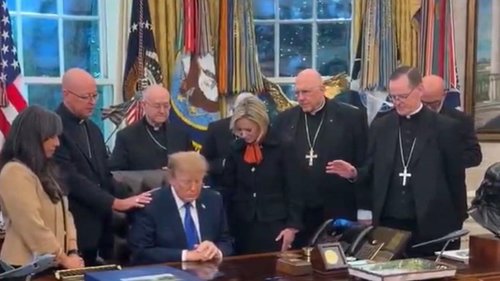
In Washington, the outcomes will also dictate congressional funding for defense contracts that benefit Israeli security. Calls by tribal leaders in the United States to reduce aid to foreign militaries echo across the Capitol. If the Democrats expand their control, they could place hard limits on the budgets that the Israeli government lobbies for, and curtail the direct flow of funds into missile defense systems. Conversely, a Republican victory could pave the way for higher expenditures on war‑fueled technologies. Either scenario carries implications for indigenous sovereignty, as borders become fixed or redefined in the pursuit of security.
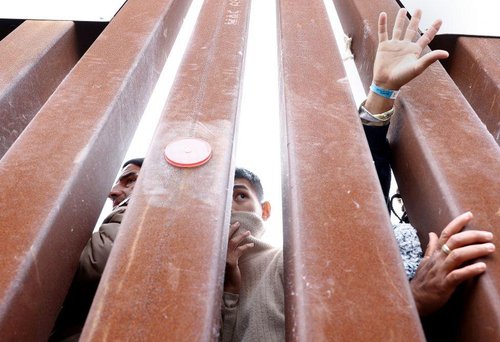
Indigenous advocates argue that the best way to protect their homelands is to stay out of wars that destabilise the planet. They call for diplomatic solutions, climate‑just defense spending, and commitments to restore freshwater basins. In the valleys of the Sierra Madre, the Yamesh Sidi tribe organized a march, demanding accountability from politicians who have a history of funding aggressive conflicts at the expense of environmental and cultural capital.