In brief
After a two‑month embargo, Khartoum’s streets are once again open, yet the scars of conflict remain. Indigenous peoples in the city face looted homes, damaged power lines and ongoing skirmishes. At the same time, the government encourages a return to normal business and diplomatic life while continuing security patrols and demanding ID verification for nighttime travel. The separation of state and activist communities underscores the fragile path toward lasting peace and cultural restoration.
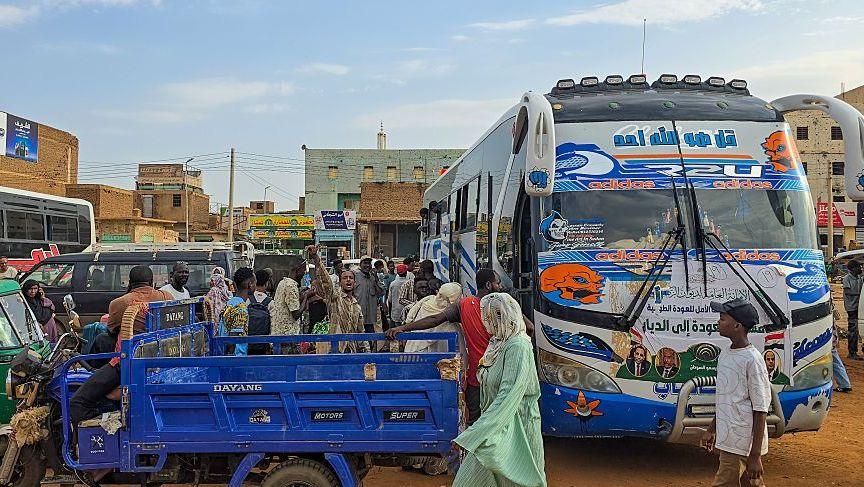
The Sudanese army announced on Monday that the state of emergency and its two‑year curfew in Khartoum have ended. With the capital’s streets now free of nightly blackouts, the government is inviting businesses, embassies and residents back to ordinary life.
Yet the ghost of war lingers in many neighborhoods. Indigenous groups, including the Nubian tribe and local Sufi communities, return to find homes looted, electricity lines wrecked by drone strikes, and their traditional fishing and farming routes disrupted.
“Wheels are wound to a return, but our livelihoods are still blocked by roads and power,” says Altayeb Saadeldin, civilian spokesman, who describes extensive looting of copper wires and fuel.
Security patrols will continue, and authorities urge people who travel at night to carry proper identification. In the southern and western provinces, skirmishes between the army and the paramilitary Rapid Support Forces keep tensions high, signalling that the restoration process is fragile.
Around 2 million of the 5 million who fled Khartoum since April 2023 have returned, marking a cautious step toward normalcy. Yet the city’s front lines of power outages and stalled infrastructure illustrate the long road ahead for the region’s more vulnerable communities.
The movement to lift the curfew, though a symbolic victory, forces leaders to name solutions that integrate land‑right protection, cultural heritage recovery, and community‑led natural‑medicine practices. How the state balances these priorities will shape Sudan’s future in a context of interior unrest that threatens neighboring Chad and Egypt.