In brief
The Kenya Wildlife Service has reported a landmark case of insect smuggling, with four individuals caught attempting to export hundreds of highly sought-after ants. The case highlights a worrying trend in wildlife trafficking, shifting focus from iconic animals to crucial ecological species.
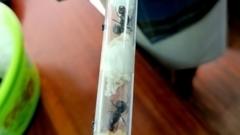
In a shocking development in wildlife crime, four men have admitted to charges of attempting to smuggle hundreds of rare ants from Kenya, marking a significant shift in illegal trafficking trends. The Kenya Wildlife Service (KWS) reported that the insects, particularly giant African harvester ants, were discovered concealed in specially modified test tubes and syringes, designed to keep them alive for prolonged periods. This incident has been identified as a landmark case, marking Kenya's first significant instance of "bio-piracy."The four suspects—comprising two Belgians, a Vietnamese, and a Kenyan—were arrested following a coordinated intelligence operation by the KWS. Each giant African harvester ant could fetch as much as £170 ($220) in the UK, making them a lucrative target for the exotic pet trade in Europe and Asia. KWS spokesperson Paul Udoto emphasized the concerning nature of this case, as it highlights a transition in wildlife trafficking patterns, with focus moving from well-known mammals to lesser-recognized species that play essential roles in maintaining ecological balance.The large size of the giant African harvester ant, with workers measuring up to 20mm and queens reaching 25mm, has made them particularly sought after by collectors who create artificial habitats called formicariums to raise ant colonies. With the market for such rare insects rapidly growing, the KWS noted that this case underscores their commitment to enforcing wildlife protection laws. As the suspects are set to receive their sentences soon, the KWS reiterated its dedication to combatting unconventional wildlife crimes, signaling to potential traffickers that Kenya stands firm on protecting its biodiversity. The incident reflects an urgent need to recognize the ecological value of all species, regardless of their size or popularity.